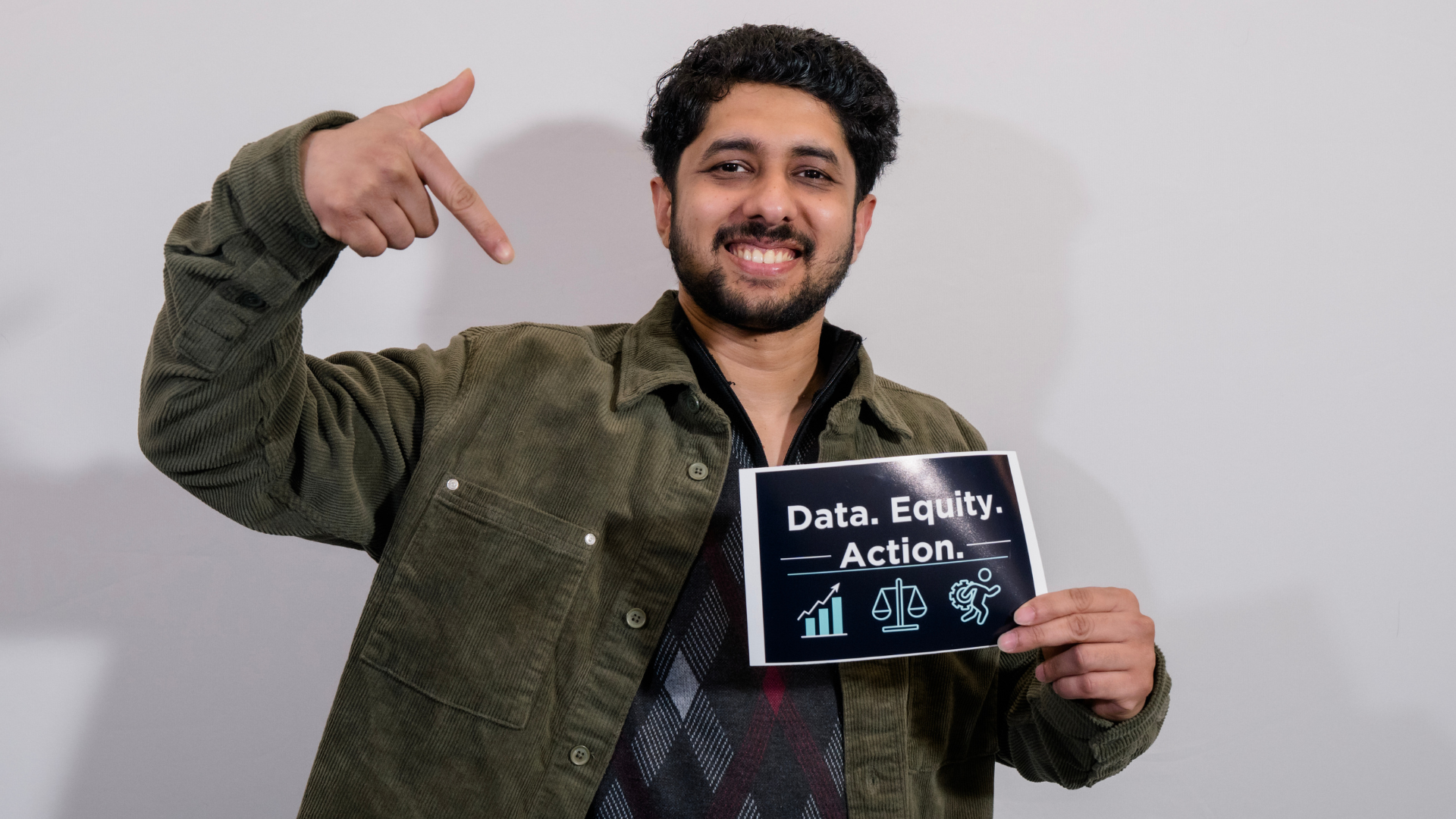
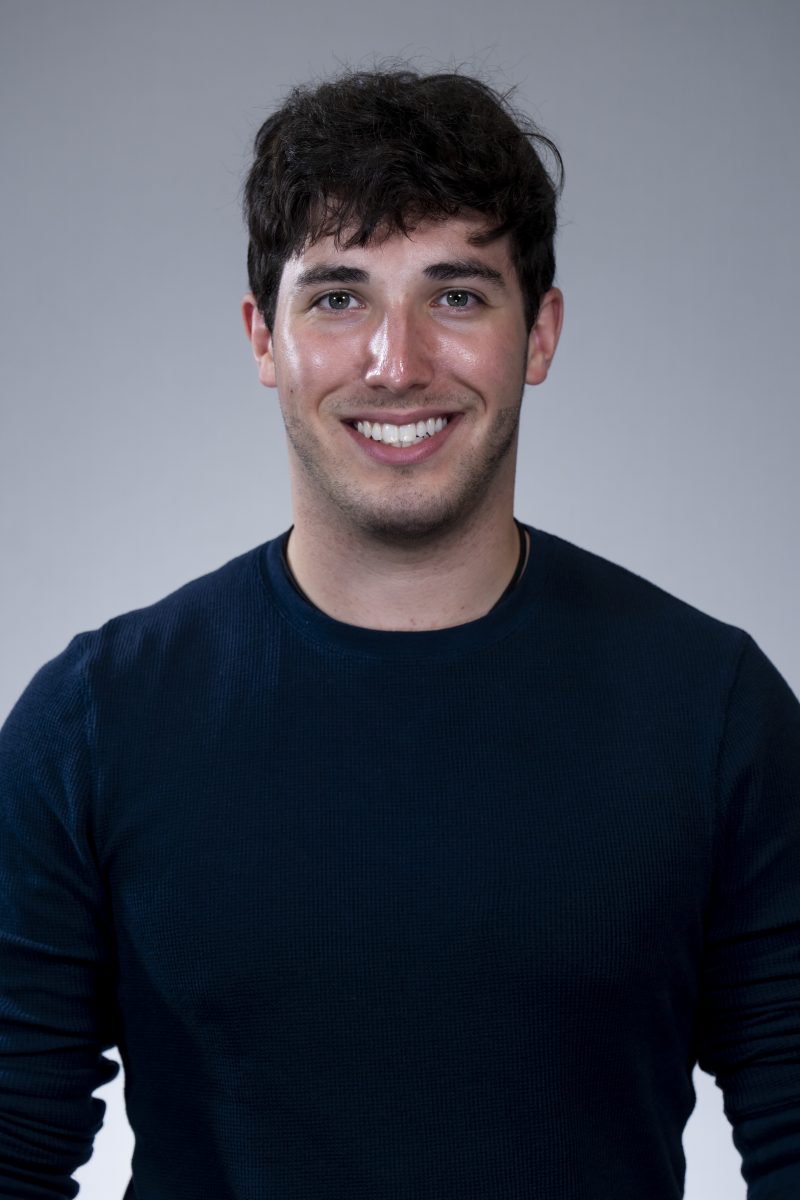
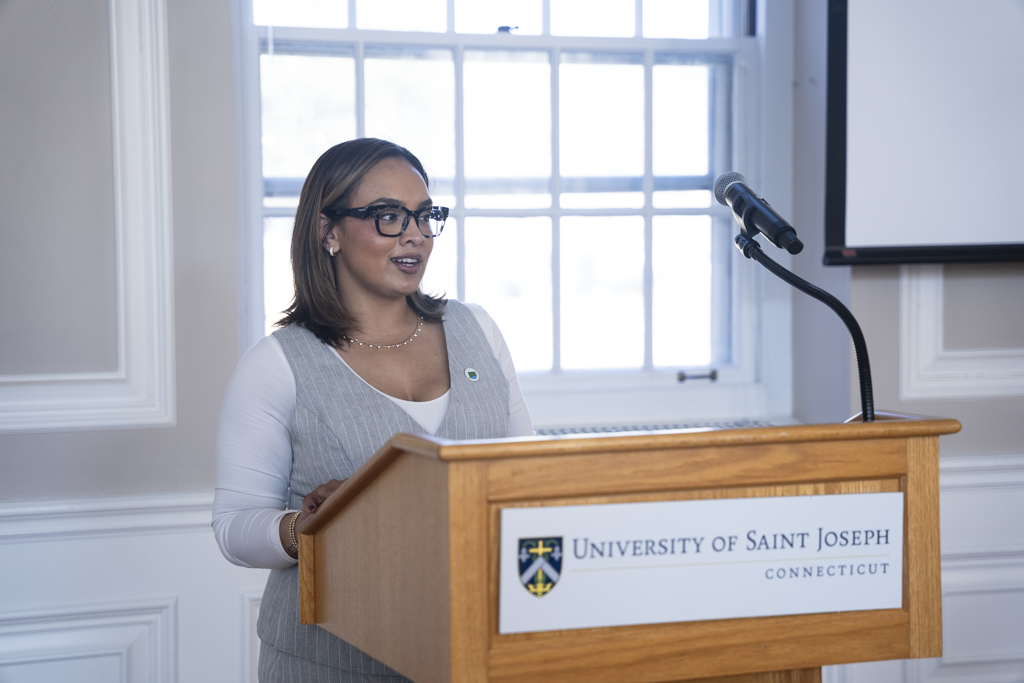
We are proud to announce one of stellar students, Michael Raizin, will be speaking at the 2026 Graduation Commencement Ceremony. He recently has given an interview that is featured on UConn Today.
Read the article here

We are proud to announce one of stellar students, Michael Raizin, will be speaking at the 2026 Graduation Commencement Ceremony. He recently has given an interview that is featured on UConn Today.
Read the article here
This event series provides valuable opportunities for learning, connection, and professional development.
Important Information:
Attendance is mandatory for all MPH students.
Faculty members are invited to participate in the virtual webinars on Tuesday and Thursday evenings.
Students must register for the Wednesday night in-person event using the registration form provided to track attendance.
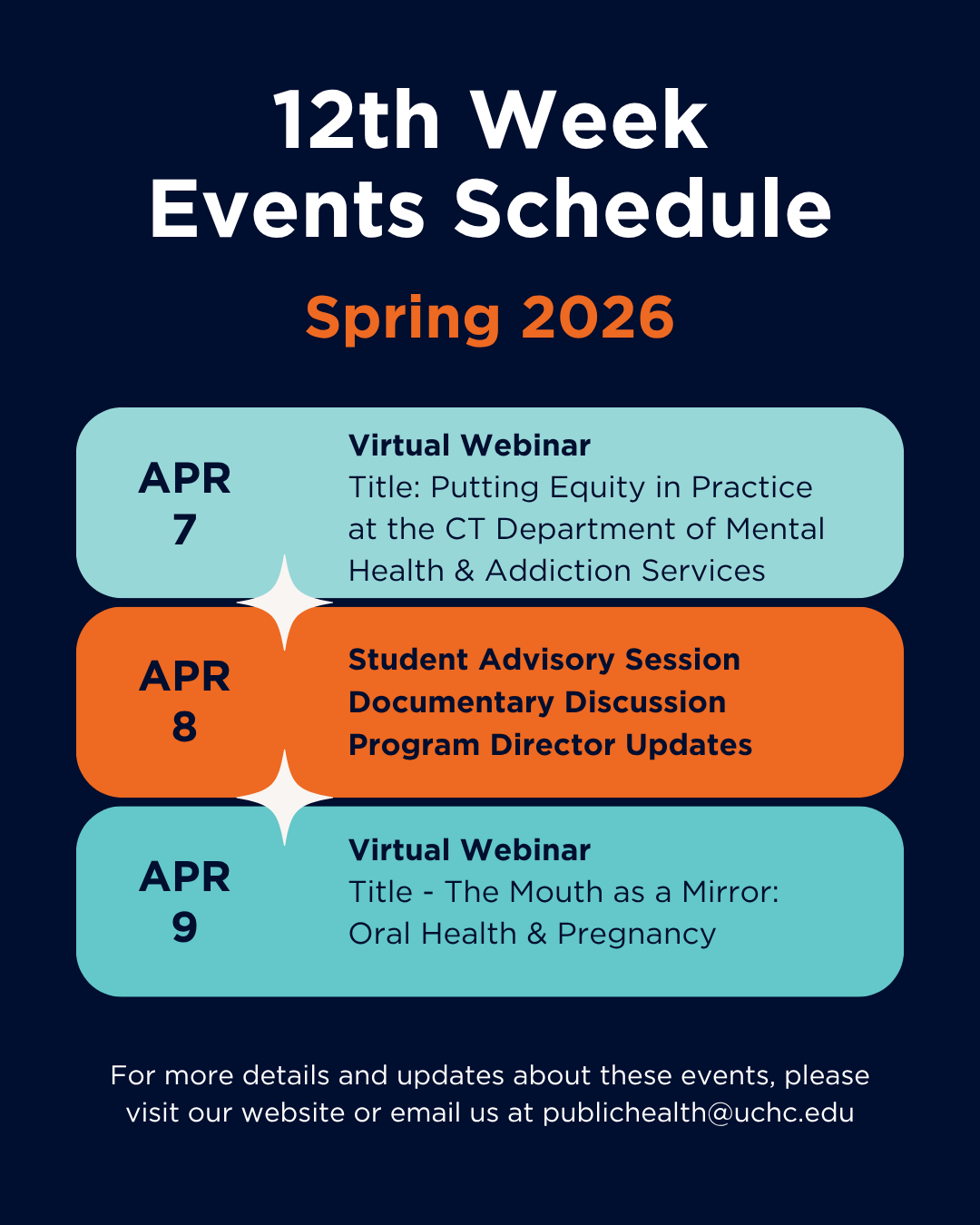
Virtual Webinar
Topic: Putting Equity in Practice at the CT Department of Mental Health & Addiction Services
Speaker: Samia Hussein, DrPH, MPH
Director at CT Mental Health & Addiction Services
Register Here
Students please check your inbox to register for Wednesday’s event.
Location: Academic Rotunda
Student Advisory Session (5:30 – 6:00 PM)
Meet with your major advisor and connect with peers for guidance and support.
Faculty are strongly encouraged to attend this session to engage with their advisees.
‘SHUFFLE’ Documentary Discussion
SHUFFLE exposes the insurance-driven cycle of addiction treatment fraud through personal stories and investigative reporting. For MPH students, the film offers a compelling look at how public policy, health systems, and profit incentives intersect and how structural failures can put vulnerable populations at risk. The screening invites critical discussion around ethics, regulation, and the public health role in addressing substance use and health system accountability.
Students will have the opportunity to engage directly with the film’s producer following the screening. Come prepared with questions and ready to discuss real‑world public health issues.
Program Director Updates
Hear the latest news from the Program Director, including department updates, important reminders, and upcoming opportunities.
Virtual Webinar
Topic: The Mouth as a Mirror: Oral Health & Pregnancy
Speaker: Dr. Brianna Muñoz, DMD, MPH
Pediatric Dentist & CEO
Twinkle Tooth Pediatric Dentistry
Register Here
Attendance is mandatory for students at all events.
Faculty are encouraged to attend the Wednesday advisory session in person.
Students must complete the registration form for the Wednesday night event to confirm attendance.

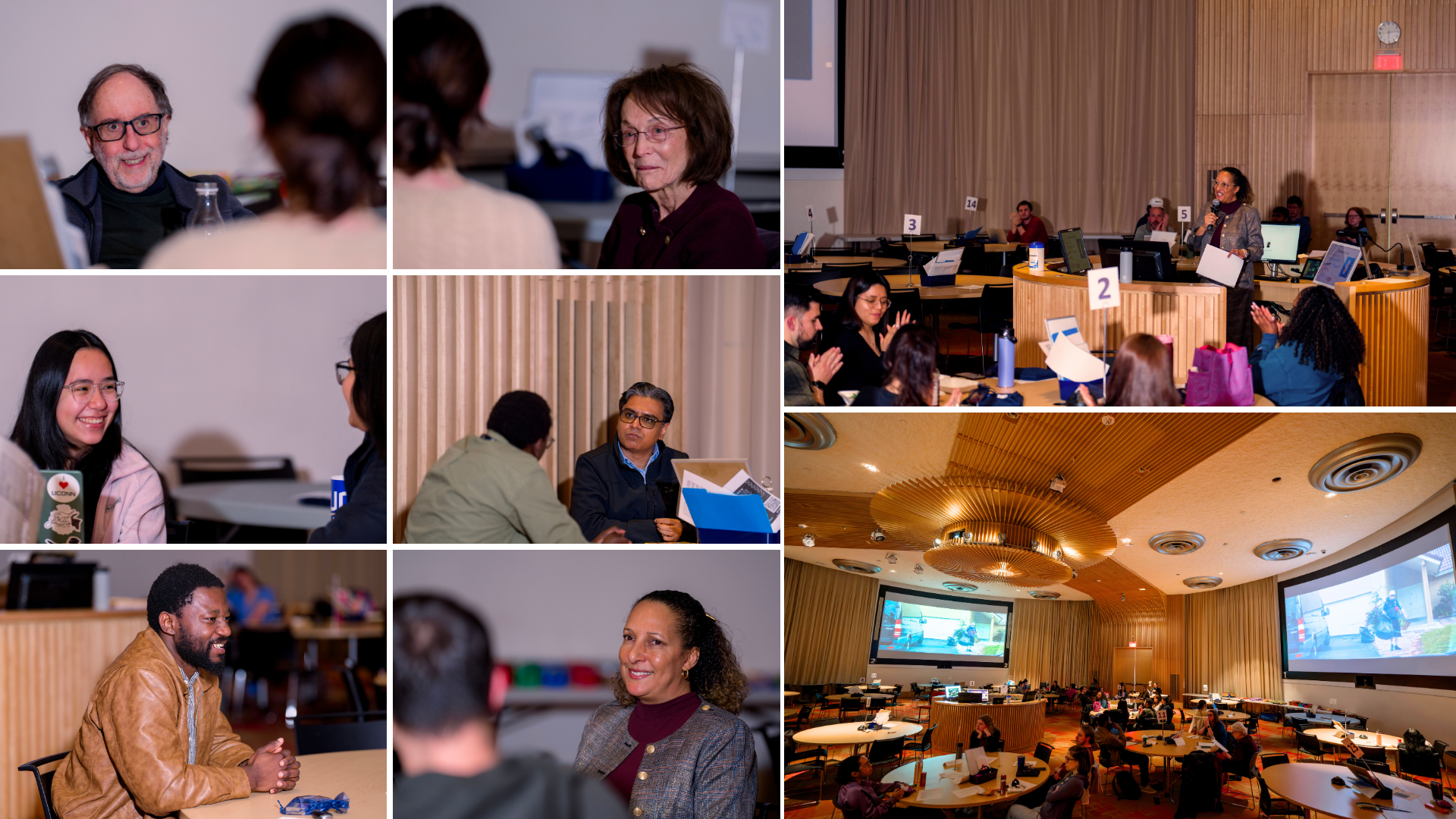
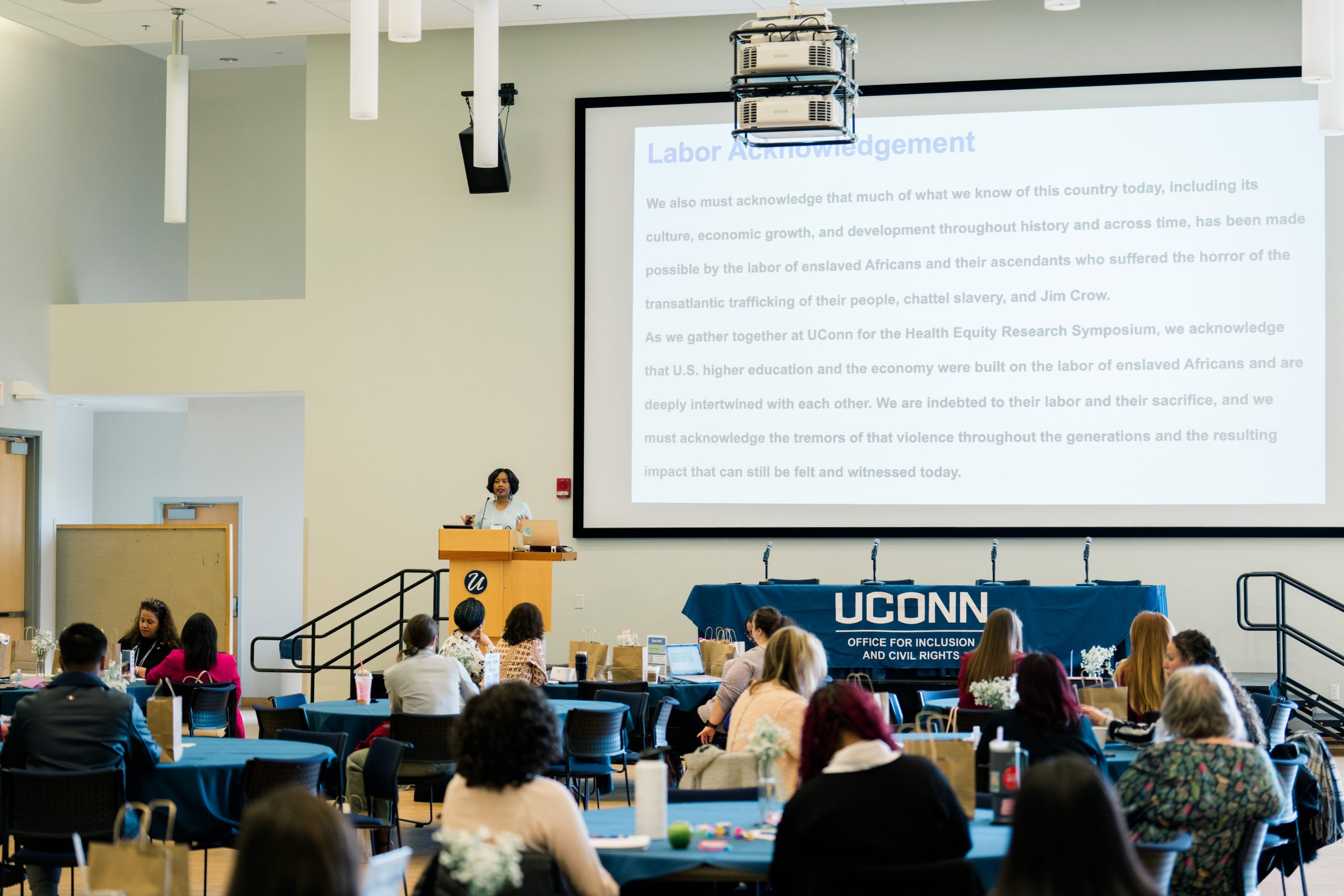
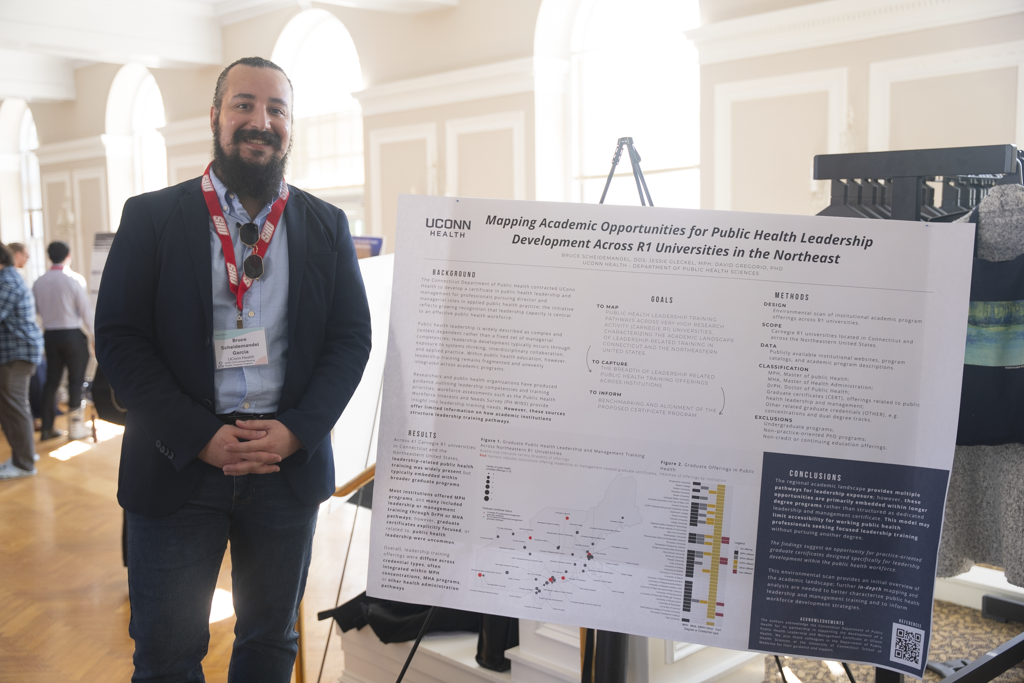
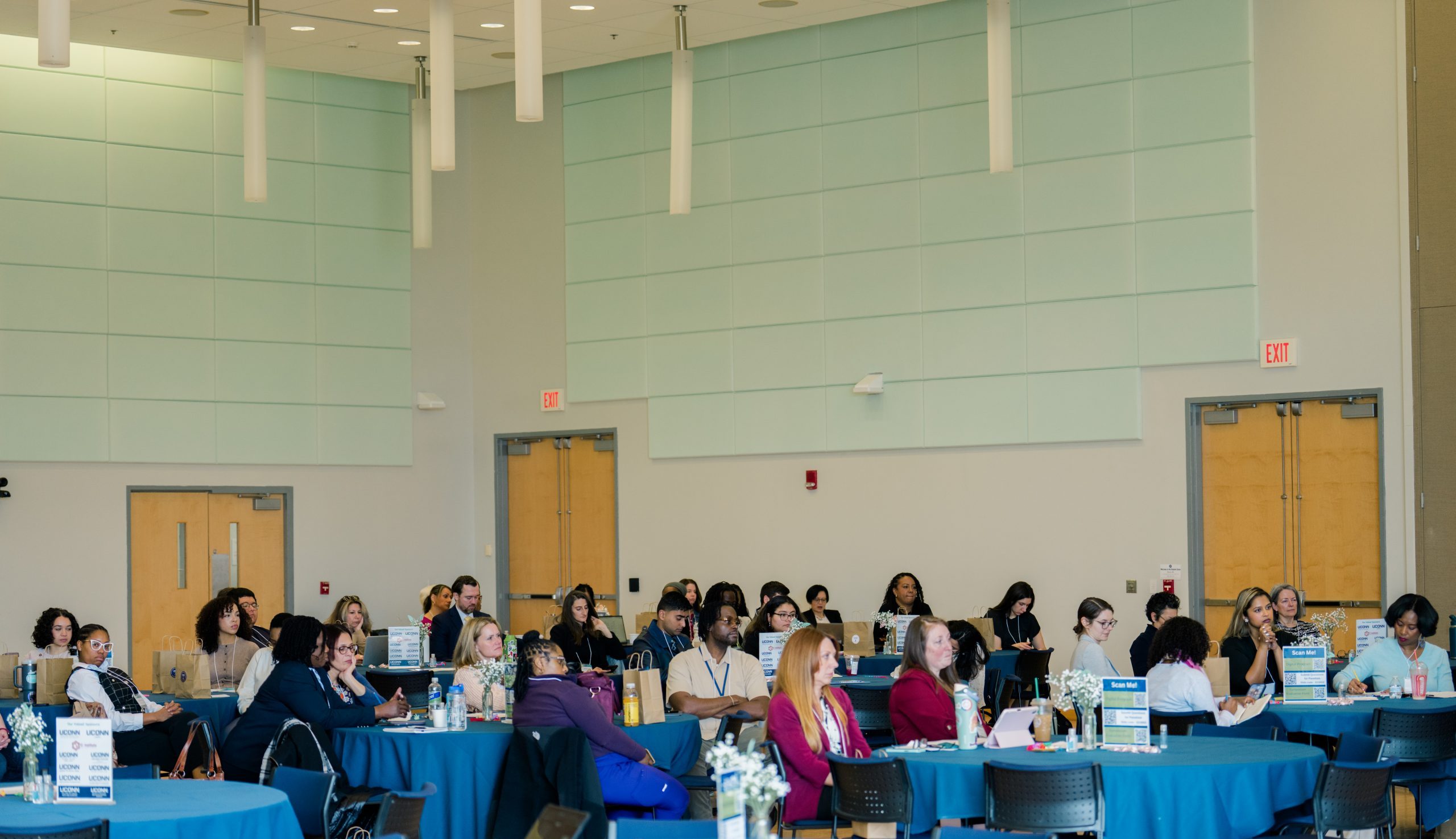
On March 26, UConn’s 2026 Health Equity Research Symposium & Poster Session brought together students, faculty, researchers, and community partners to explore how collaboration and applied frameworks can drive meaningful progress toward health equity. Rooted in the theme “Rooted in Connection: Co‑Creating Equity Through Collaboration,” the symposium emphasized translating equity principles into action across research, teaching, and practice.
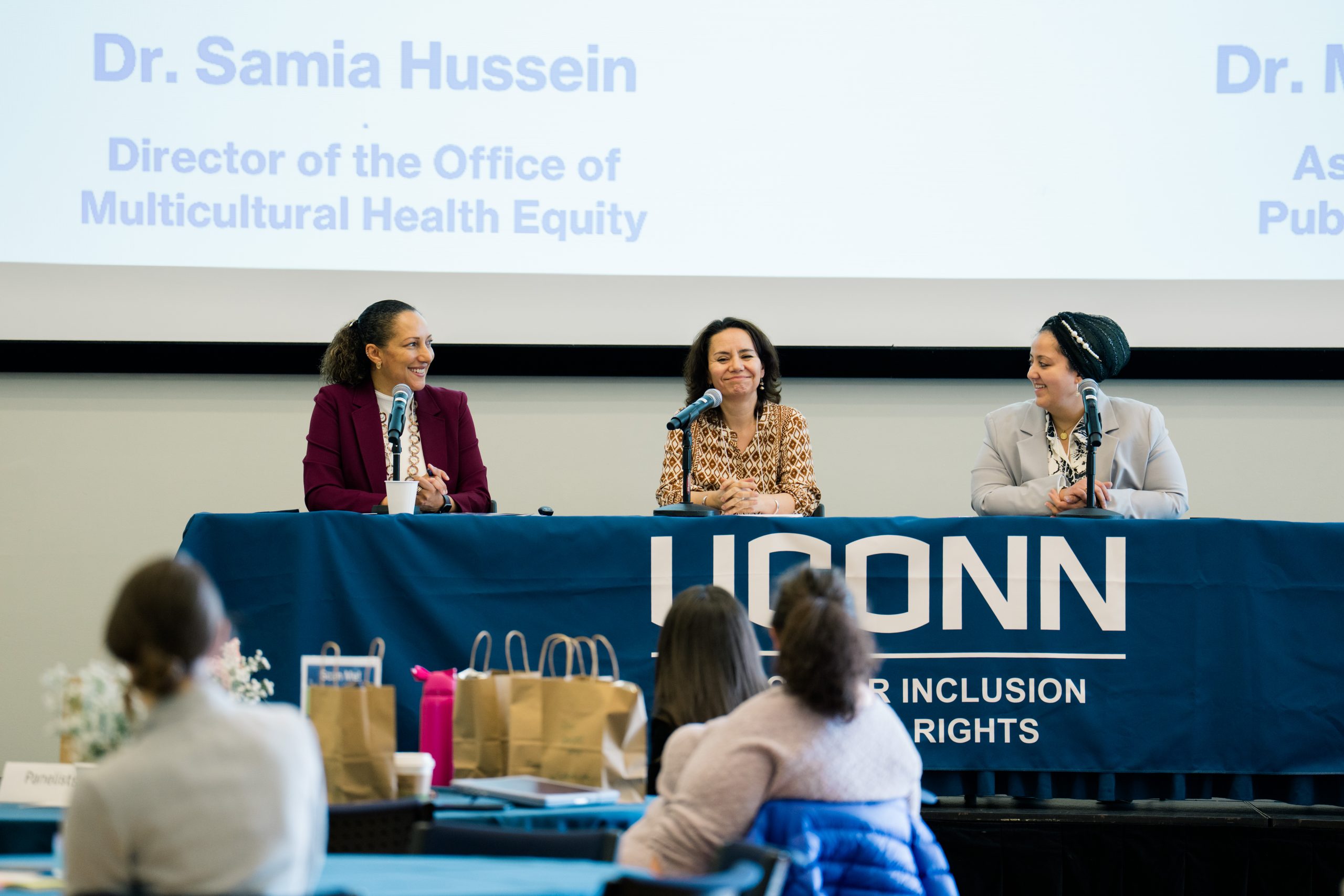
A highlight of the symposium was the panel “Foundations of Health Equity: From Frameworks to Practice,” a session designed to ground attendees in core health equity principles and examine how these frameworks are applied across disciplines.

Together, the panelists explored how foundational equity frameworks inform public health teaching, research, and real‑world action. Their discussion emphasized the importance of moving beyond theory to practice—connecting academic work with community‑centered solutions and interdisciplinary collaboration.
The presence of MPH leadership, faculty, and alumni on this panel underscored the program’s role in shaping public health professionals who are prepared to address structural inequities at local, state, and national levels.

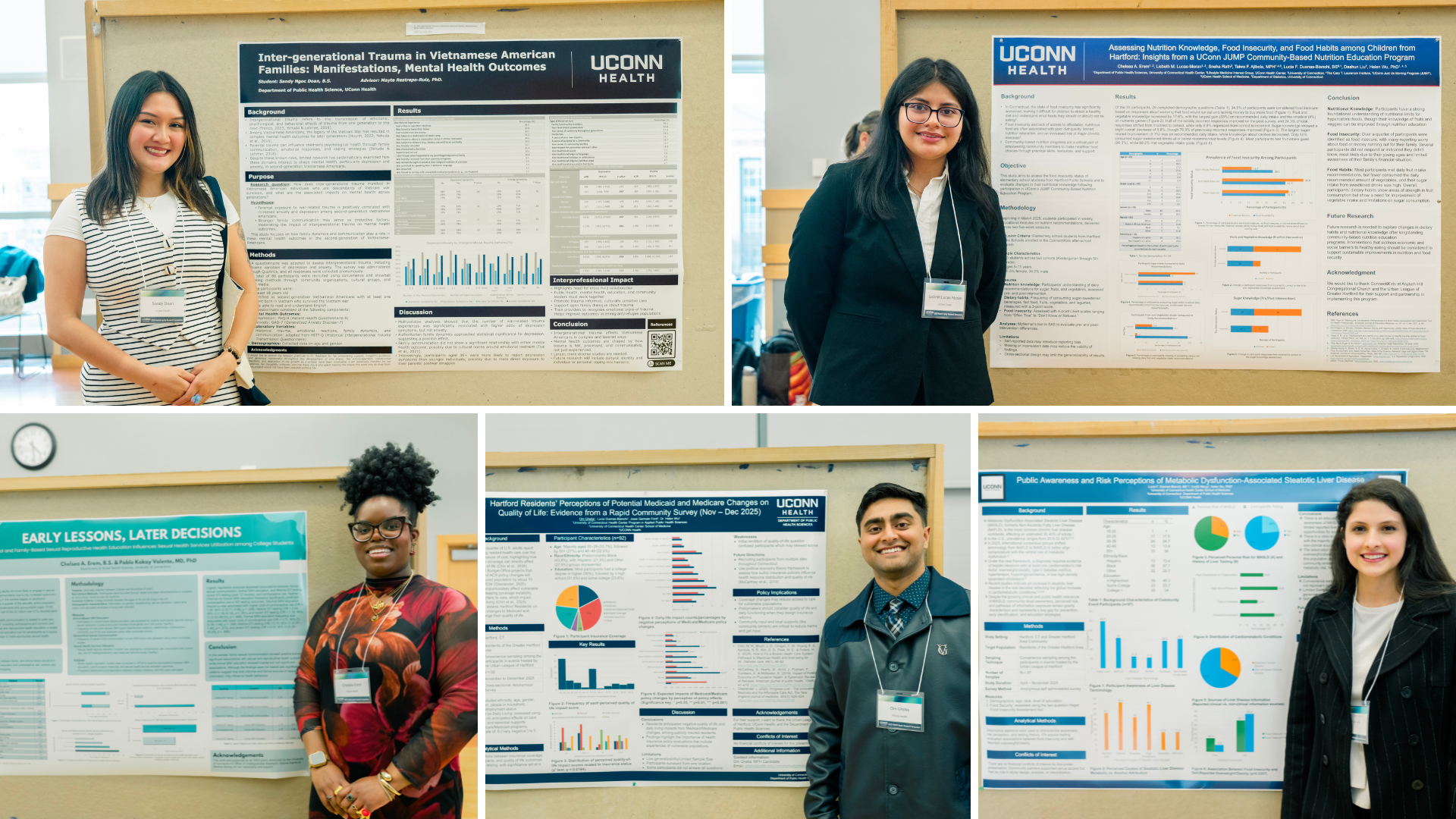
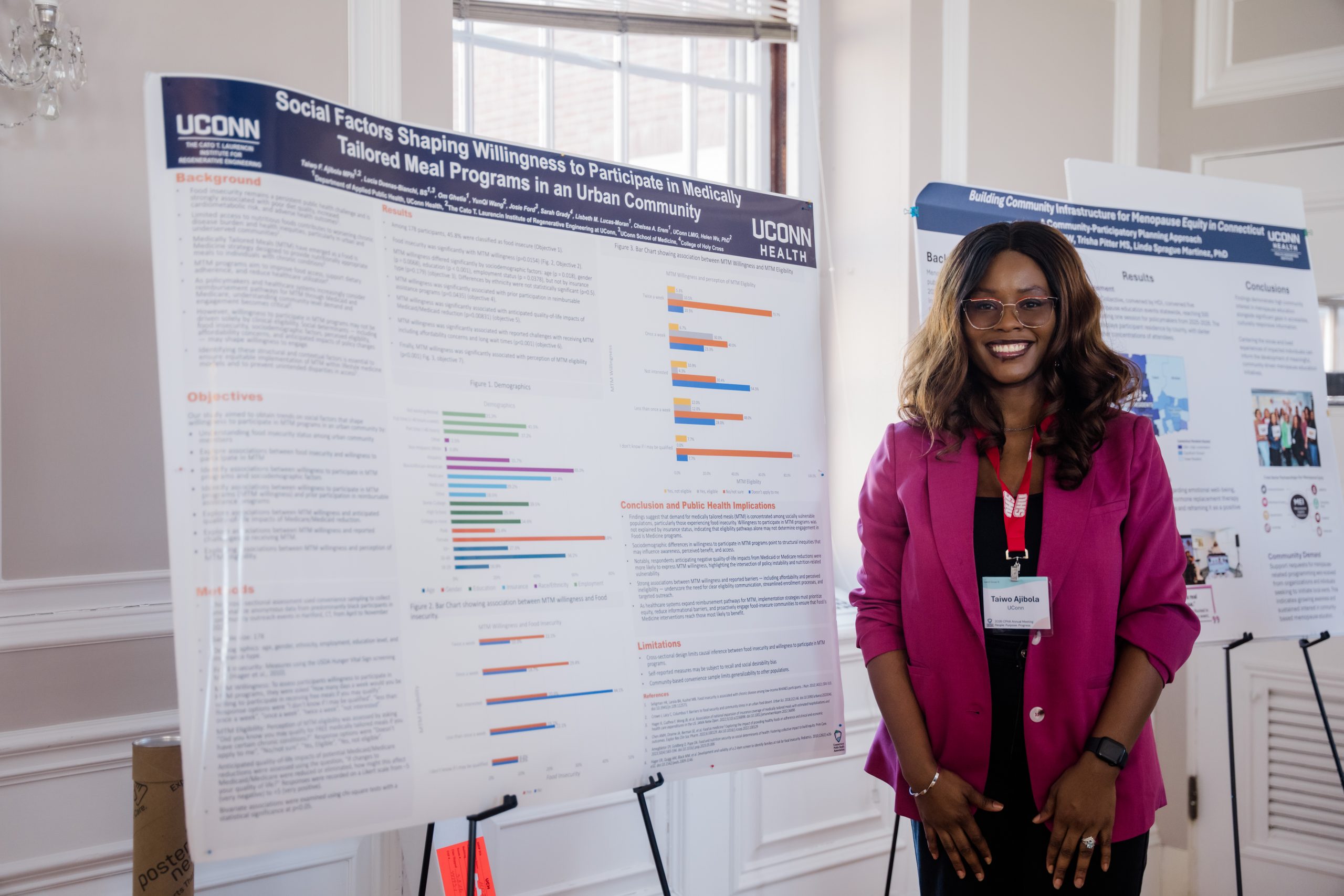
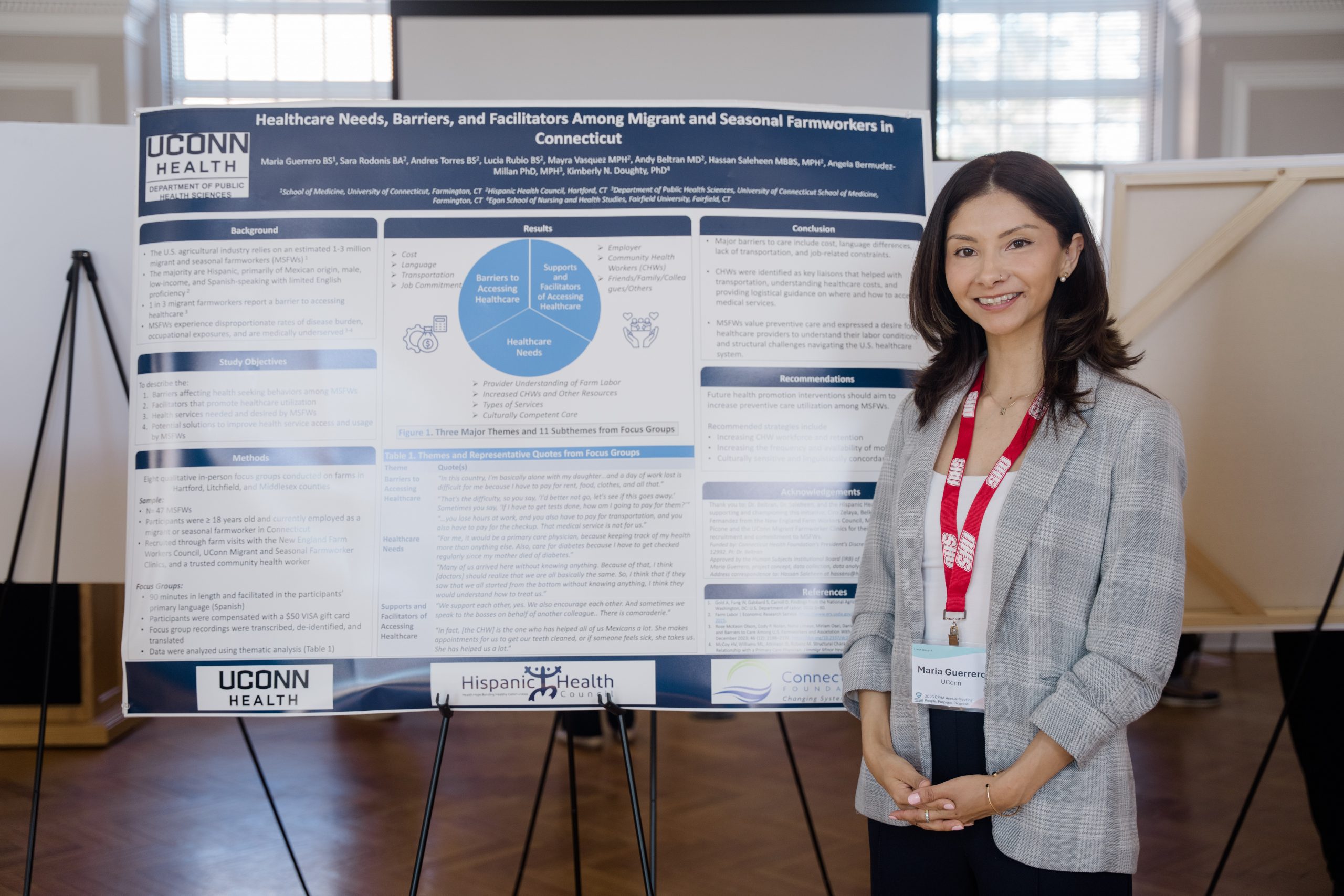
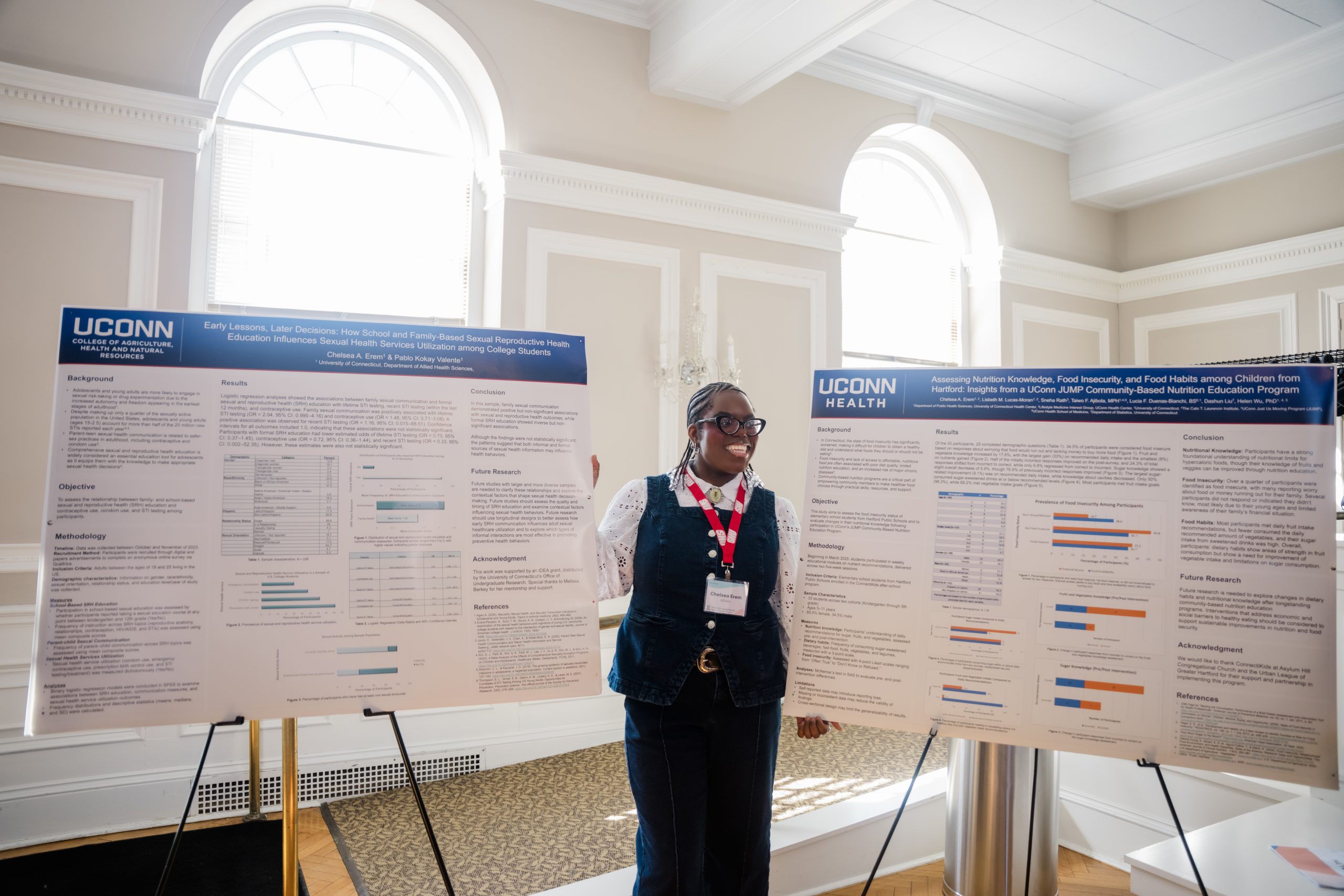
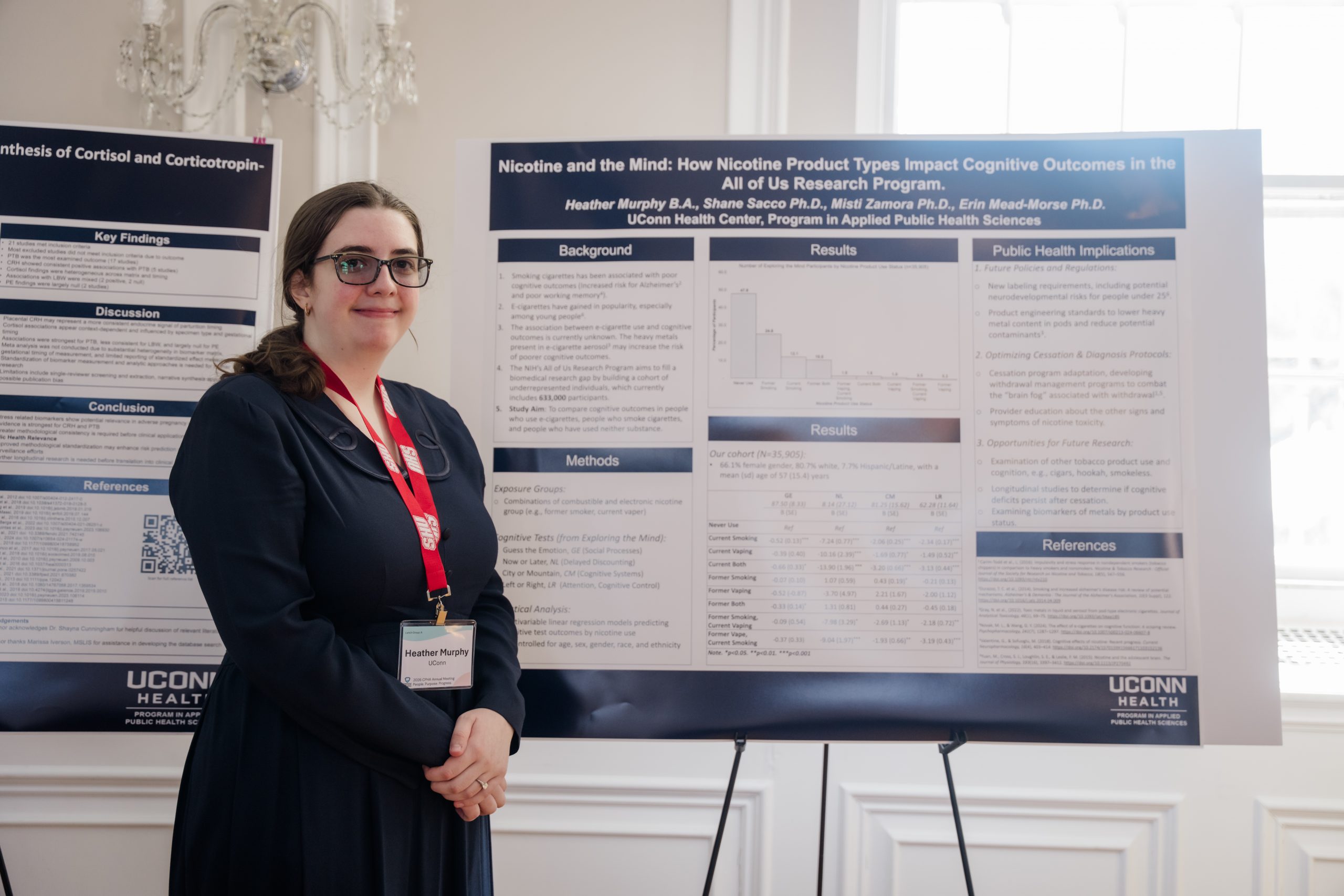
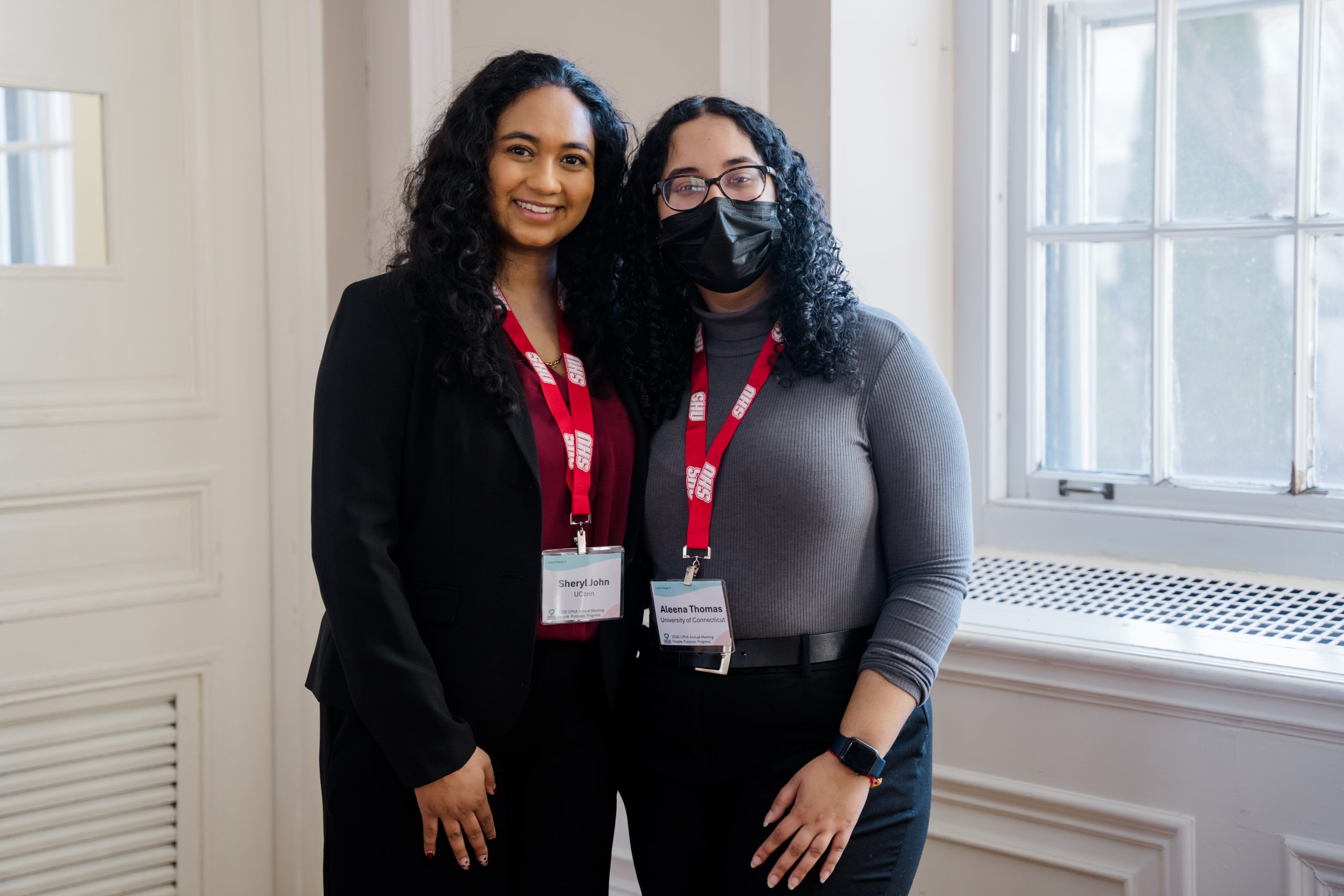
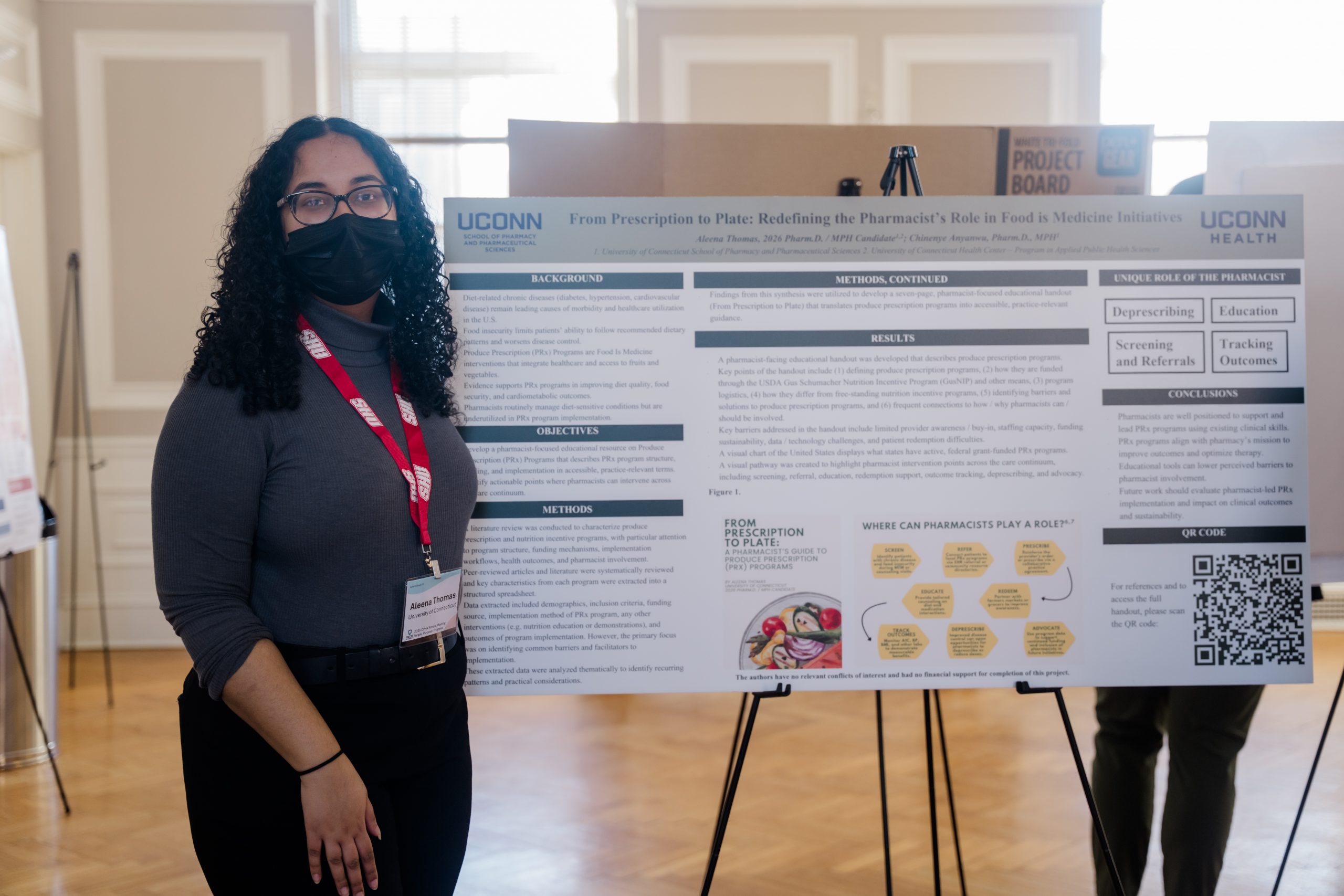
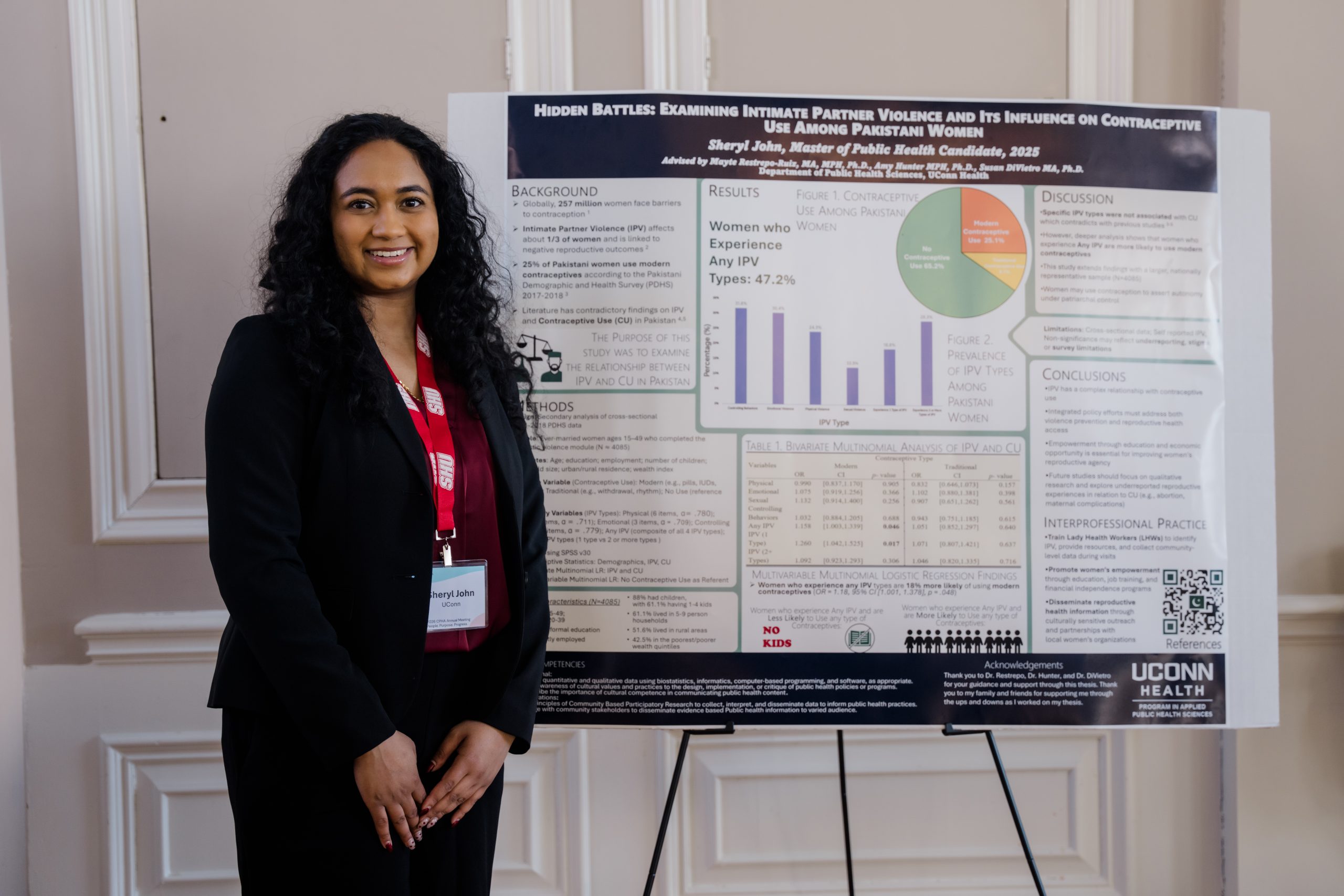
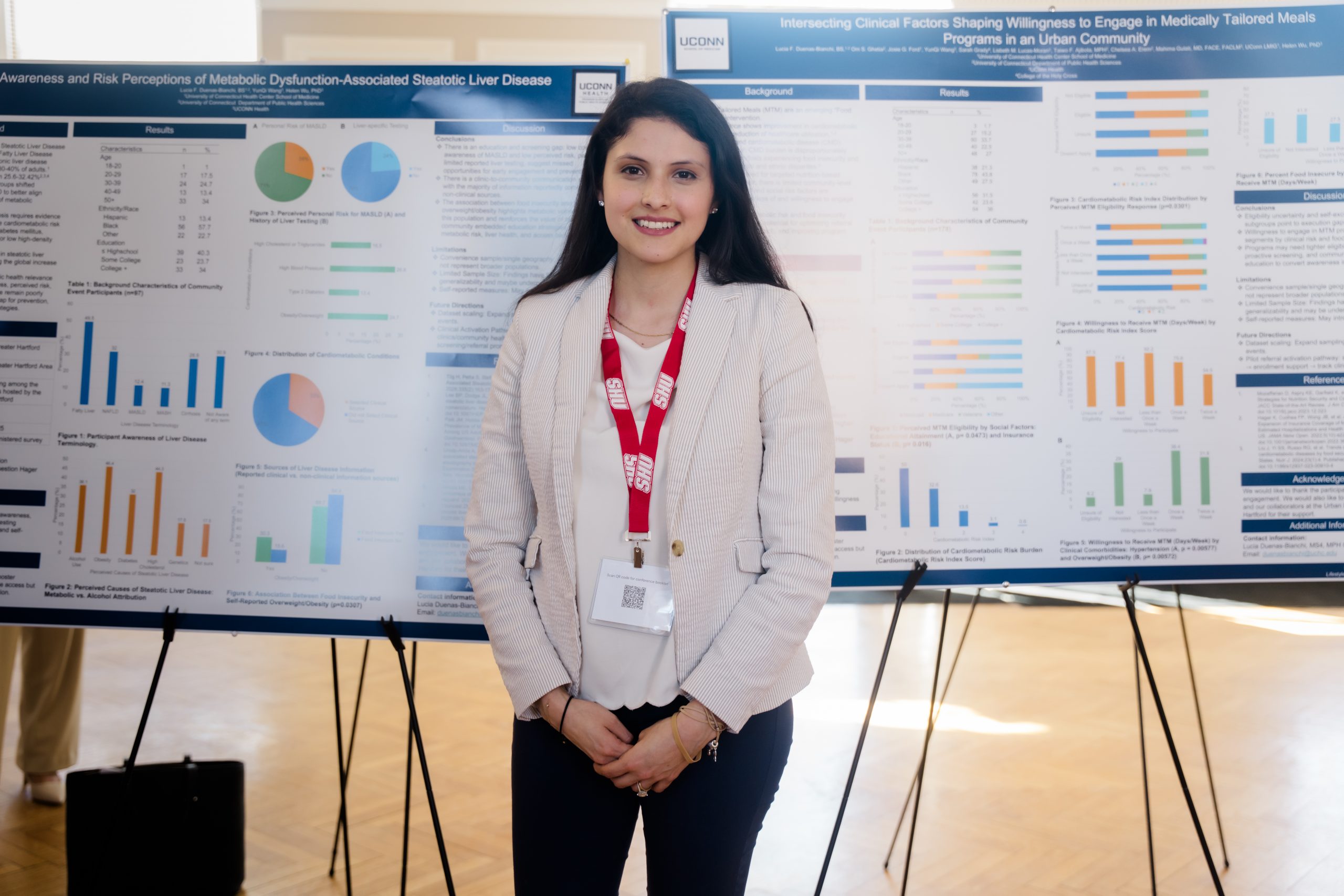
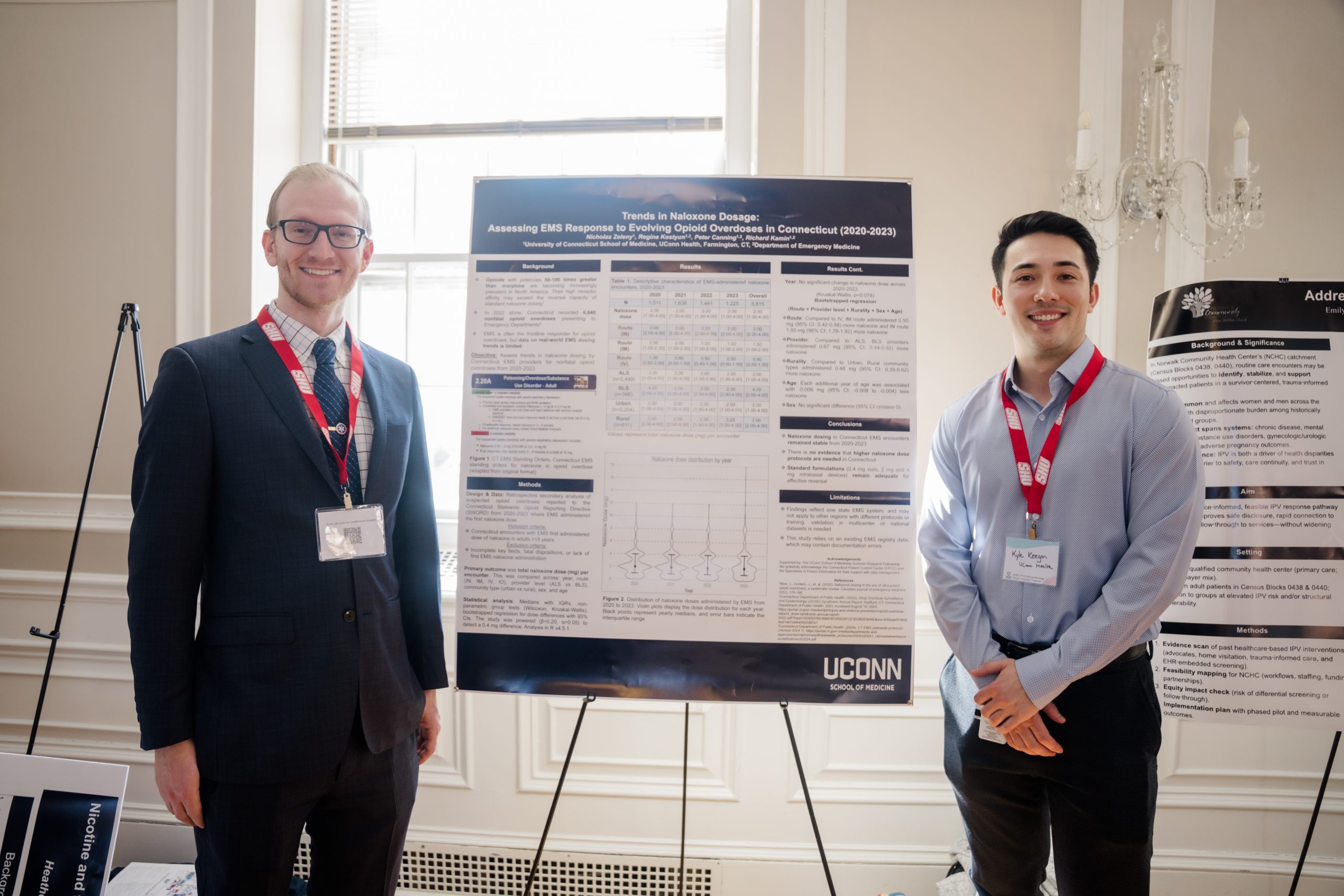
MPH students also contributed to the symposium through research poster presentations, sharing work that reflects a wide range of public health interests and equity‑focused inquiry. The poster session created space for dialogue between students, faculty, practitioners, and community members, reinforcing the symposium’s goal of bridging research and practice.
Through these presentations, students demonstrated how MPH training translates into applied research and community‑relevant public health questions—an essential component of advancing health equity.

The 2026 Health Equity Research Symposium highlighted the strength of UConn’s public health community and the central role of students and faculty in advancing equity‑driven work. For the MPH Program, participation in the symposium reflects a broader commitment to preparing graduates who can critically engage with health inequities and contribute to solutions grounded in evidence, collaboration, and community voice.

Register here: https://shorturl.at/gOCNy
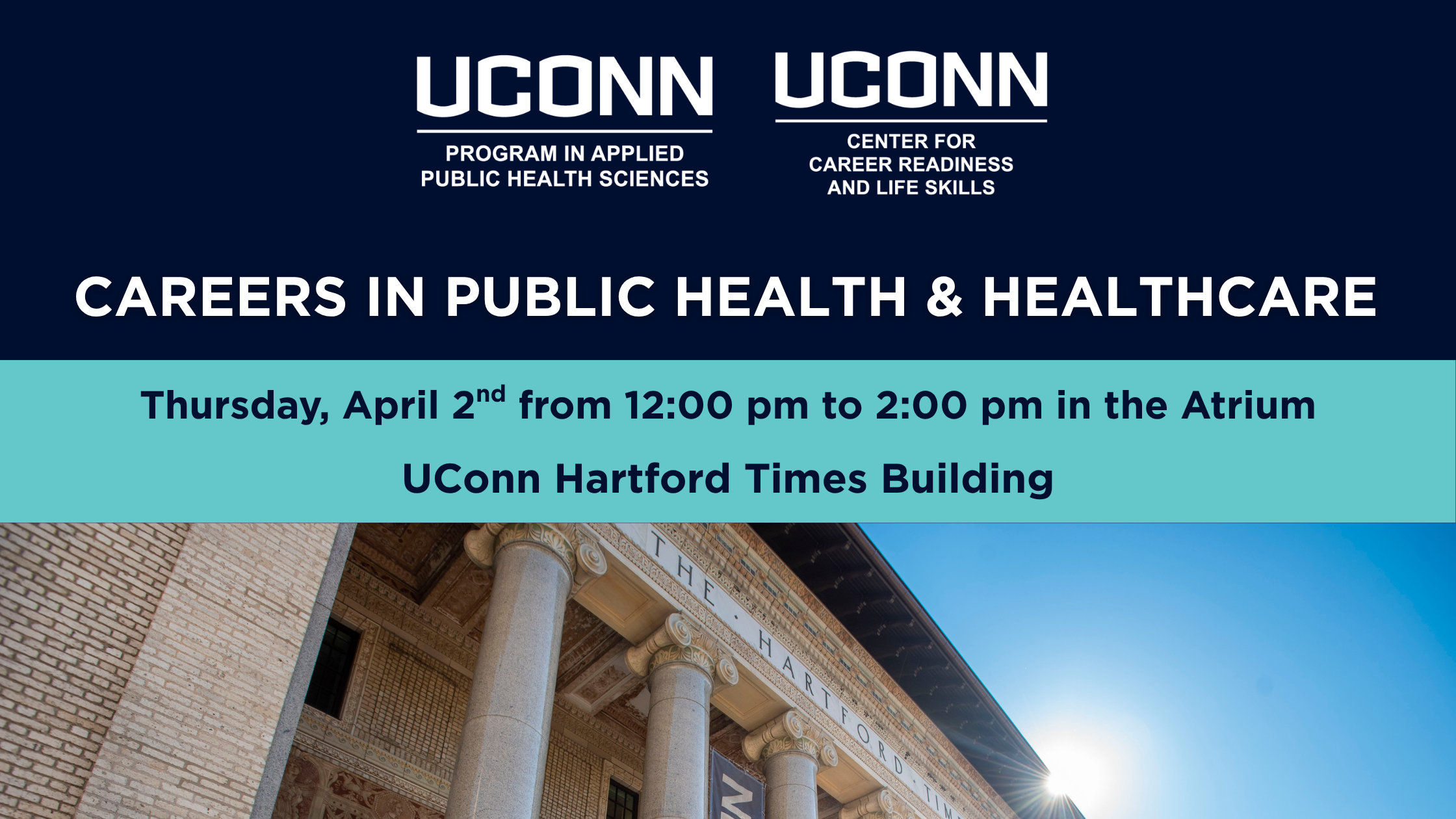
The UConn Department of Public Health Sciences and Center for Career Readiness and Life Skills invite students from all majors to connect over lunch while discussing current public health topics and exploring future career paths.
📍 Lunch and drinks provided
🤝 Meet students interested in health careers
💡 Learn about public health pathways and graduate school
All students welcome.

Public health careers in the 21st century demand proficiency interprofessional collaboration, encompassing skills relevant to system-level strategies addressing health within the context of our environment and social structures. Our program’s distinct concentration on Interprofessional Public Health Practice brings medical, dental, social work, law, pharmacy and public health students together with to share and collaborate on learning and service project. Our concentration also reflects a commitment to the practice of public health where students receive ample exposure and interaction with public health professional who one day will be their peers in protecting the health and well-being of our citizenry. Our program is made up of a dynamic community, where students, alumni, faculty, and community partners work together to shape our public health systems and services. When considering the landscape of public health in Connecticut, the impact of our program cannot be overstated.

Applied public health focuses on solving specific, real-world health problems by collecting and acting on data, while theoretical public health focuses on building generalized knowledge, frameworks, and models to understand health phenomena. Applied public health is action-oriented (e.g., creating a vaccination program), while theoretical public health is knowledge-oriented (e.g., studying the social determinants of health to build a model for behavior change)
In some of our classes we teach topics that cover course covers AI, automation, design and data software systems; so they can communicate in the field no matter if they are an environmental researcher, policy maker or biostatistician. The purpose of our classes are to help public health professionals become more advanced with various tools and technology many struggle with after graduation.
You can learn more about our curriculum and competencies here
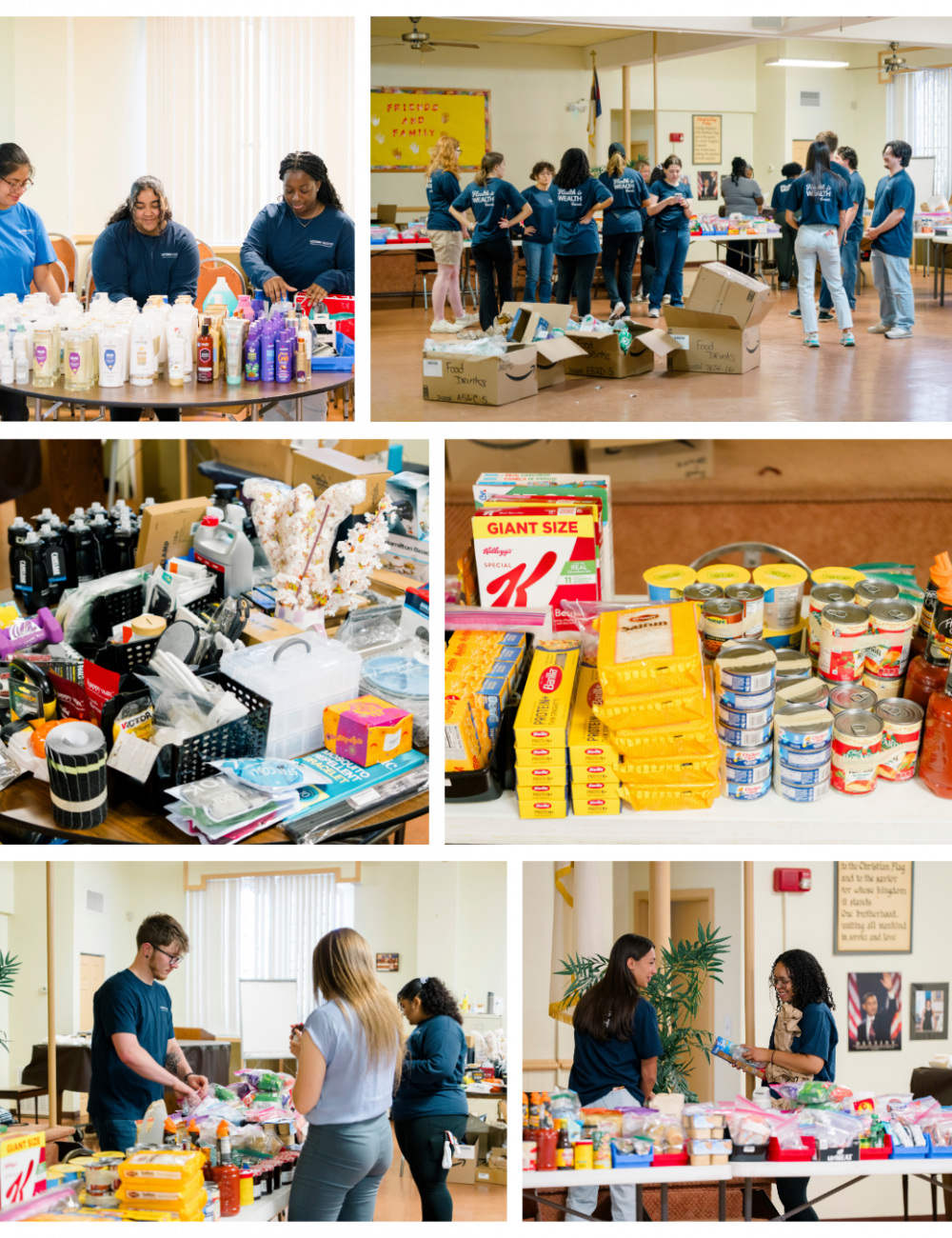
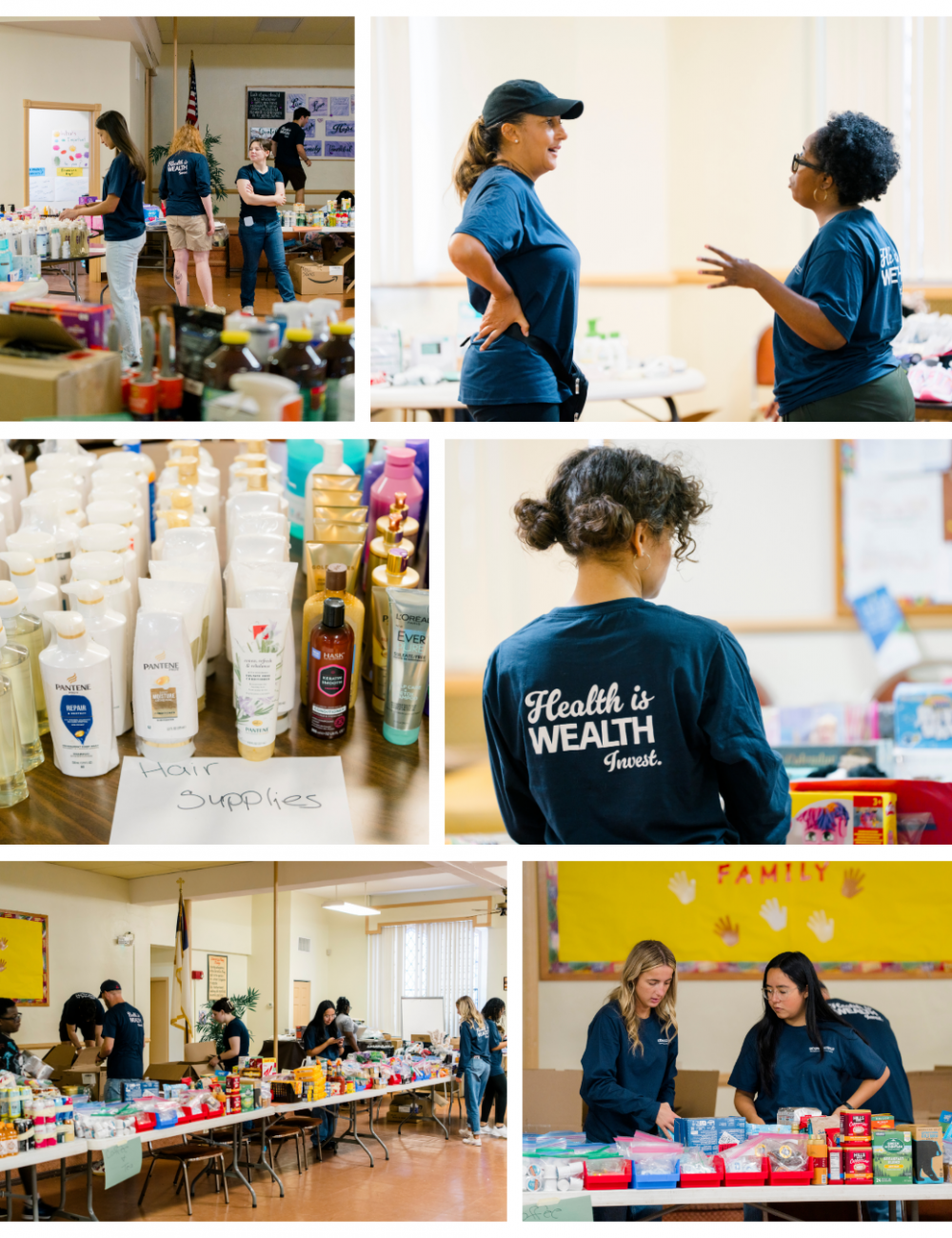
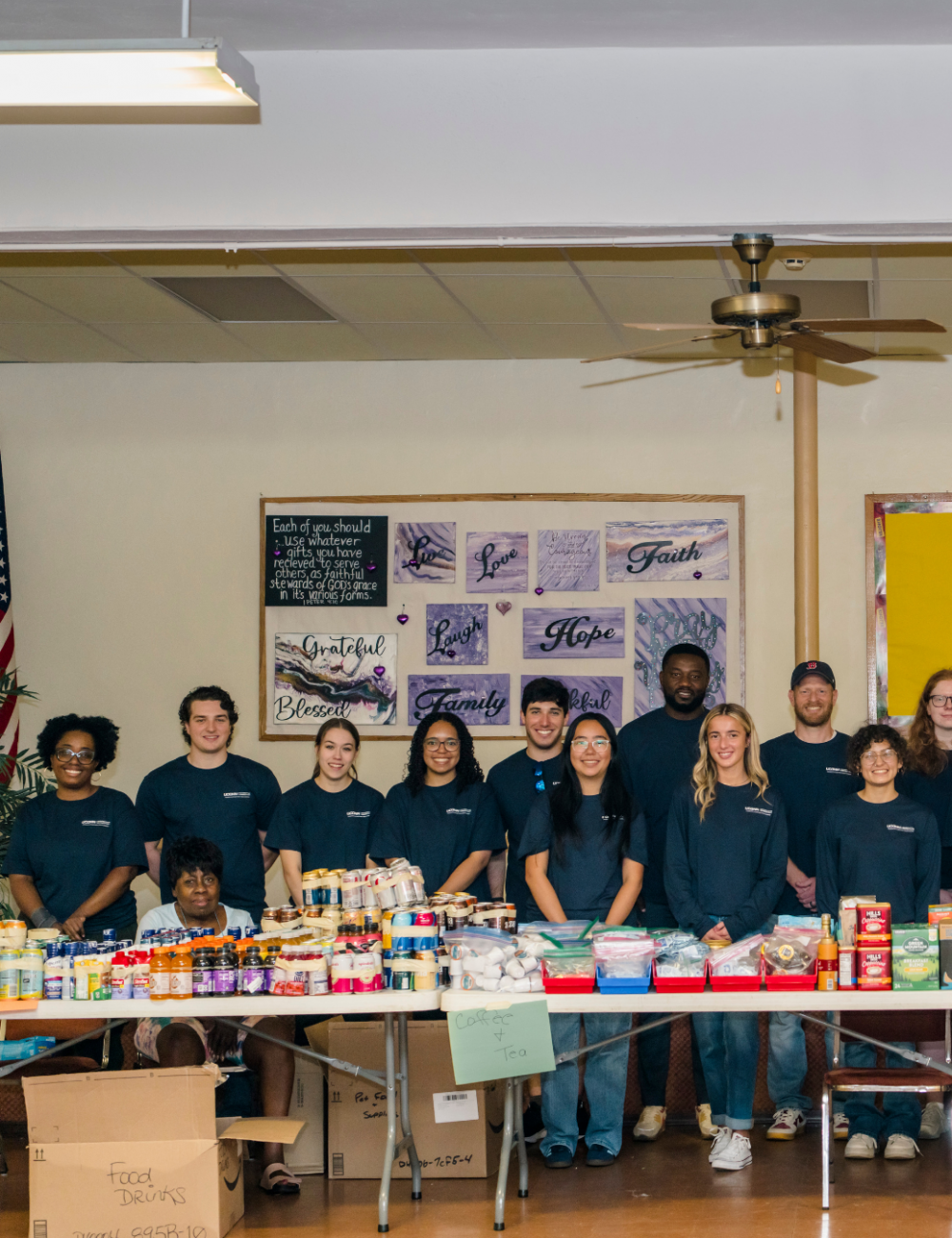
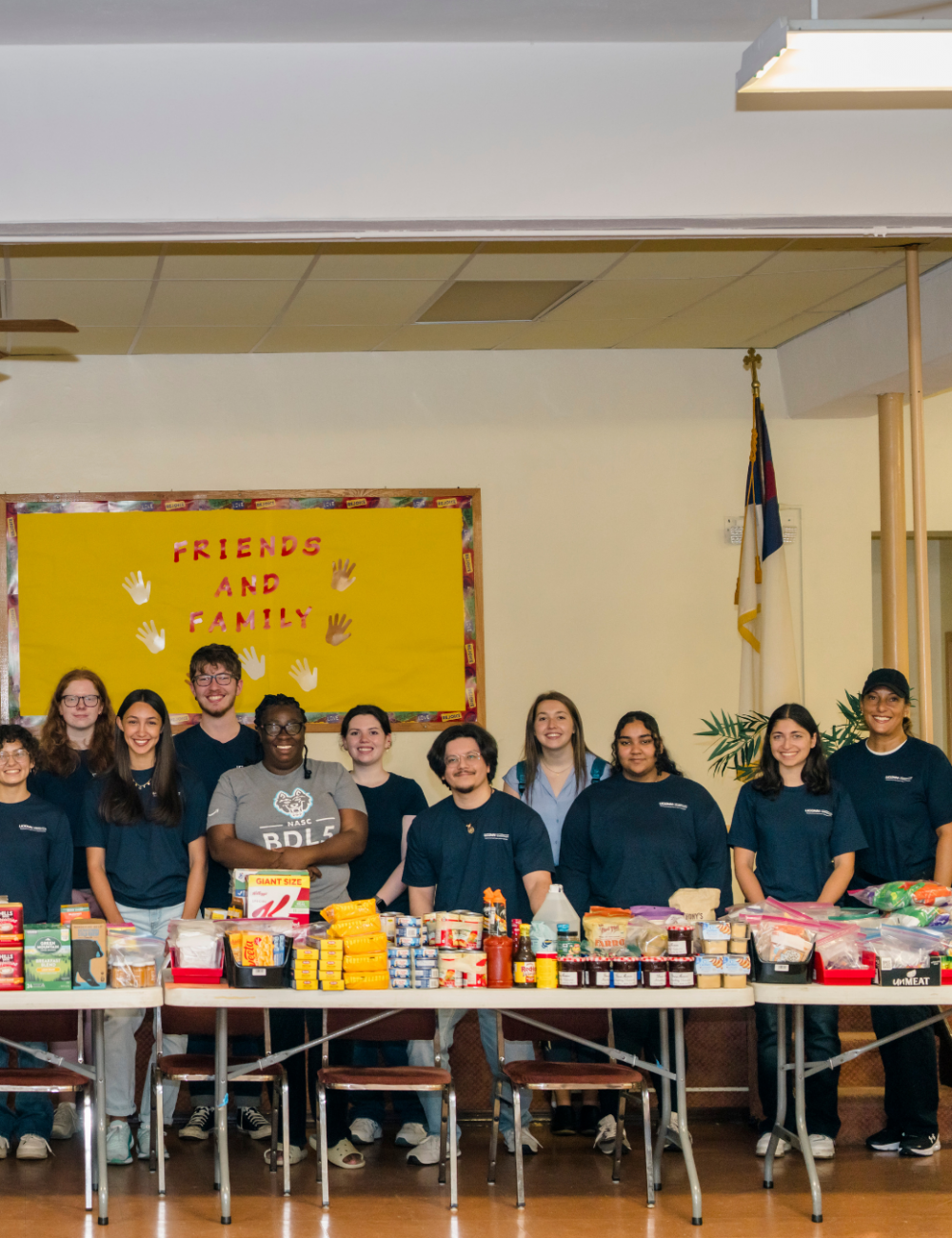
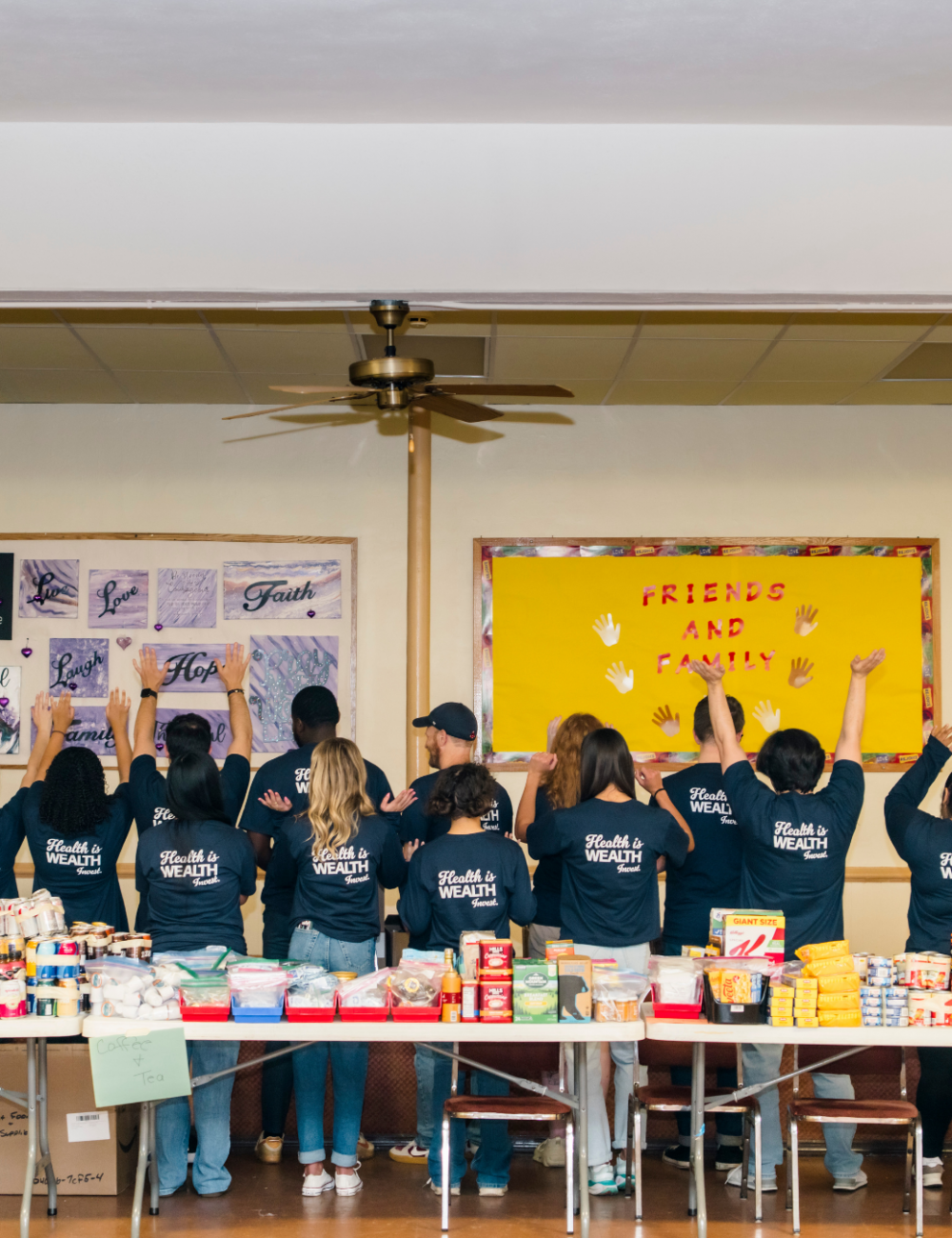
This past fall, our MPH students kicked off the semester with an afternoon of service at the Metropolitan AME Zion Church in Hartford. Led by Dr. Amy Hunter, the students partnered with SAVE (Saving African American Village), a local organization that collaborates with Amazon each month to bring essential household items to community members in need. These items are distributed at no cost through a monthly community store hosted at the church. As part of the service event, MPH students worked together to prepare donations, organize supplies, and set up the space for the upcoming community store. Their efforts directly support families across Hartford, helping ensure that vital resources are accessible to those who need them most.
Events like this are a cornerstone of the MPH experience at UConn. Beyond the classroom, students gain hands-on opportunities to engage with communities, support health equity initiatives, and build relationships that shape their future careers in public health.
Mayra shares how the UConn MPH program prepared her for meaningful, real-world work in the field. She speaks about the skills she gained: from community engagement and program planning to data-driven decision-making; continuing to shape her career. Now working at the Hispanic Health Council, Mayra plays a role in supporting community health efforts that directly intersect with the medical community, highlighting how public health complements clinical care by focusing on prevention, access, and systems-level change.
“Overall, the MPH program has opened doors for me to pursue work in my own community. For a long time I had the desire to give back to my community in a meaningful way. If it hadn’t been for the program, it wouldn’t have led me to interning for the Hispanic Health Council which in turn wouldn’t have led me to working for this current study. I owe much of the opportunities I have encountered to this program and the people who have mentored me along the way. I am very knowledgeable that I am still young and early into my career but that doesn’t mean that I am not excited about what is to come. Because the reward for work well done is the opportunity to do more.”
Explore our MPH Program
Explore our other Public Health Programs
The department was strongly represented throughout the conference. Ten public health students presented a total of 14 posters, joined by MPH alumni and a current MPH student who delivered an oral presentation. Faculty and departmental researchers also contributed to the program, offering a range of presentations that provided valuable public health insights to the community.
To learn more about the conference, read about it on UConn Today here.
Register here
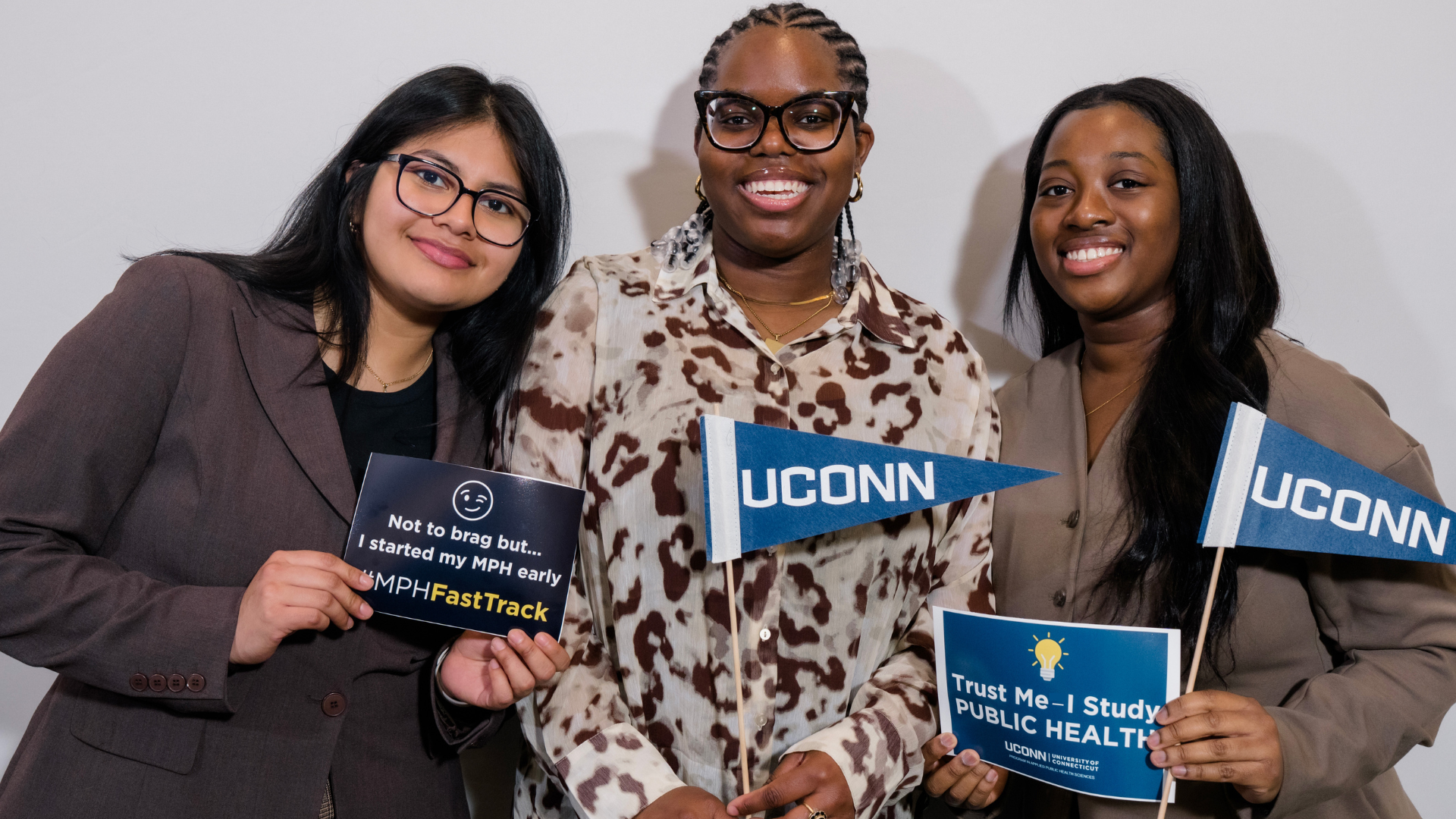
Join the UConn Department of Public Health Sciences and Allied Health Sciences for a casual and engaging lunch event designed for students interested in health-related careers. This gathering creates a welcoming space to meet fellow students, share ideas, and explore how public health connects to many different health professions.
During the event, students will enjoy lunch while participating in icebreakers and conversations about current issues shaping public health today. Graduate Assistants from the UConn Master of Public Health (MPH) program will also share their personal journeys into public health, along with insights on preparing for graduate school and exploring career paths in the field.
The event will also introduce opportunities such as FastTrack and dual degree options, along with tips on academic advising and navigating the next steps in health-related education. To wrap up the session, students will participate in a short, interactive public health activity designed to spark discussion and encourage collaboration.
Whether you’re exploring career possibilities, considering graduate school, or simply curious about public health, this event offers a relaxed environment to learn, connect, and exchange ideas.
Lunch and drinks will be provided. All students are welcome.
Space is limited so please register to save your spot
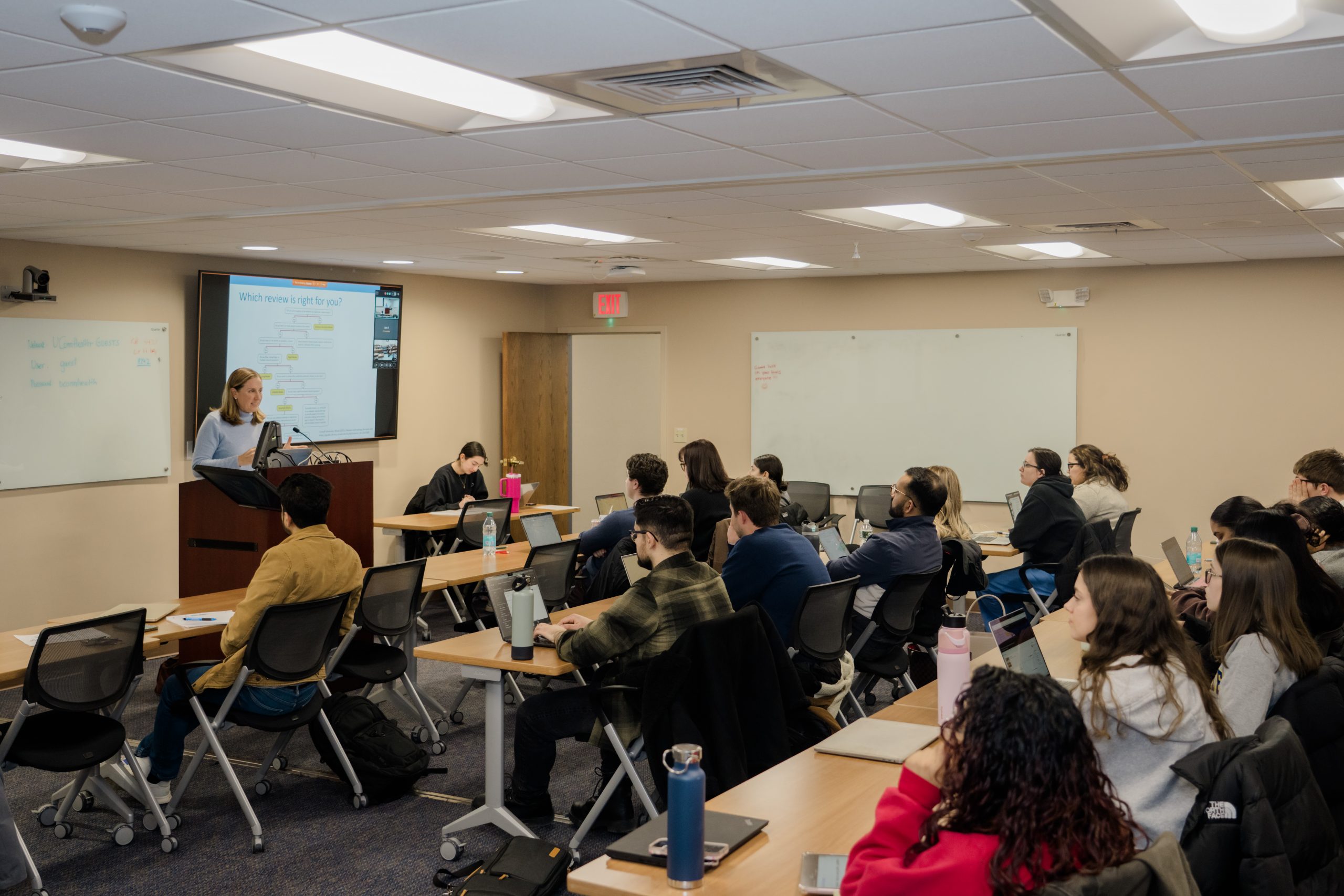
Public health cannot be learned from a textbook alone. It requires real-world experience, community partnership, and a deep understanding of equity and ethics. The public health practicum bridges the gap between classroom learning and professional practice—giving students the opportunity to make a meaningful difference while preparing for their careers.
The practicum is a two-semester experience that combines classroom preparation with extended field placements. Students begin by building a strong foundation in professionalism, ethics, advocacy, and health equity. They then apply those skills by working closely with public health agencies and community organizations on mutually beneficial projects.
Through these placements, students gain hands-on experience, contribute to real public health initiatives, and learn what it truly means to work in partnership with communities.
By spending extended time in the field, students move beyond observation to active engagement—supporting programs, research, outreach, and policy efforts that address real public health needs. These experiences help students build confidence, clarify career goals, and understand the impact of public health work on people’s lives.
Want to hear directly from students and faculty about what makes the practicum so impactful?
Watch the video above to see how this experience prepares students to become thoughtful, skilled, and community-centered public health professionals.
Learn more about the public health practicum, explore placement opportunities, and discover how hands-on learning can shape your future in public health. Explore our website and follow us on social media to stay connected.
Apply to the MPH program here

Public health is the scientific study of protecting and improving population health. While clinical professionals, such as physicians and nurses, treat individuals when they become ill, public health practitioners and experts develop strategies and practices to prevent those diseases in the first place. Public health is a growing field with a myriad of opportunities to thrive. In this post, we will talk about six reasons why you should get a degree in public health in 2026.
There are always plenty of reasons to study a subject, however it is important to prioritize a field that aligns with your morals and core values.. From environmental work to research, policy, and data, public health offers countless ways to improve lives. If you care about others and want to make a real impact, public health could be for you.
Job security in an increasingly turbulent economy is something we all care about. Even in the current economic climate, public health offers a variety of rewarding career opportunities. Public health allows you to make a living while improving the health and well-being of others. Below are some the high-paying jobs within public health according to the U.S. Bureau of Labor Statistics.
Public health is a field of study that provides you with a variety of career choices to choose from. If you have a passion for teaching, you can become a community health educator. If you love math and statistics, you can emerge as a biostatistician. If you love advocacy, you can be a health policy analyst or a lobbyist. A graduate degree in public health will open doors for you at both the local and federal levels.
We all know someone who has a captivating natural charisma someone people love listening to, someone who thrives in a team. If you are that someone (don’t worry if you are NOT, we have plenty of options for you too 😀 ), public health offers plenty of opportunities for you to shine. There are plenty of leadership roles available for public health graduates at the state, federal, non-profits level, and so on. Courses like Health Administration equips students with all the fundamental skills needed for these positions.
Public health is a highly interdisciplinary field. It recruits experts from a variety of fields, including, but not limited to, biology, statistics, economics, sociology, environmental science, and medicine. A career in public health offers you the chance to meet and network with individuals from diverse disciplines. You will continuously be provided with opportunities to expand your knowledge and refine your skills in a plethora of settings.
Public Health also offers plenty of teaching and research opportunities. If you receive training in Biostatistics or other public health research methodology courses, you can easily find a job as a research analyst at any firm. If you have a graduate degree, such as a Master’s or PhD in Public Health, you can start teaching at different colleges and universities.
Overall, public health is a very rewarding field. It gives you the chance to make a difference in the lives of others and impact communities on a deeper level.
Thank you for reading.
Program in Applied Public Health Sciences email: publichealth@uchc.edu
Program Director: Dr. Stacey Brown, PhD – 860-679-5470 stbrown@uchc.edu
What Does a Career in Public Health Really Look Like After Graduation?
Public health has never been more essential than it is right now. From addressing health inequities and chronic disease to strengthening community-based care and supporting the medical system beyond hospital walls, public health professionals are helping shape healthier futures every day. For students considering this path, one big question often comes up: What does a career in public health actually look like after graduation?
In this alumni spotlight, we sit down with Mayra, a UConn Master of Public Health (MPH) graduate from December 2025, to talk about her academic journey, career path, and what she does now as a public health professional.
Mayra shares how the UConn MPH program prepared her for meaningful, real-world work in the field. She speaks about the skills she gained: from community engagement and program planning to data-driven decision-making; continuing to shape her career. Now working at the Hispanic Health Council, Mayra plays a role in supporting community health efforts that directly intersect with the medical community, highlighting how public health complements clinical care by focusing on prevention, access, and systems-level change.
Throughout the conversation, Mayra also reflects on the mentors who supported her during her time at UConn and how those relationships helped her grow both professionally and personally. Her story underscores how an MPH can open doors to a wide range of impactful careers. Whether you’re working alongside healthcare providers, advocating for underserved populations, or designing programs that improve health outcomes at the community level.
If you’re curious about the many career paths an MPH can lead to, what life after graduation really looks like, or how public health professionals are making a difference in today’s rapidly changing health landscape, this alumni spotlight offers an honest and inspiring look into the possibilities.