Program Information

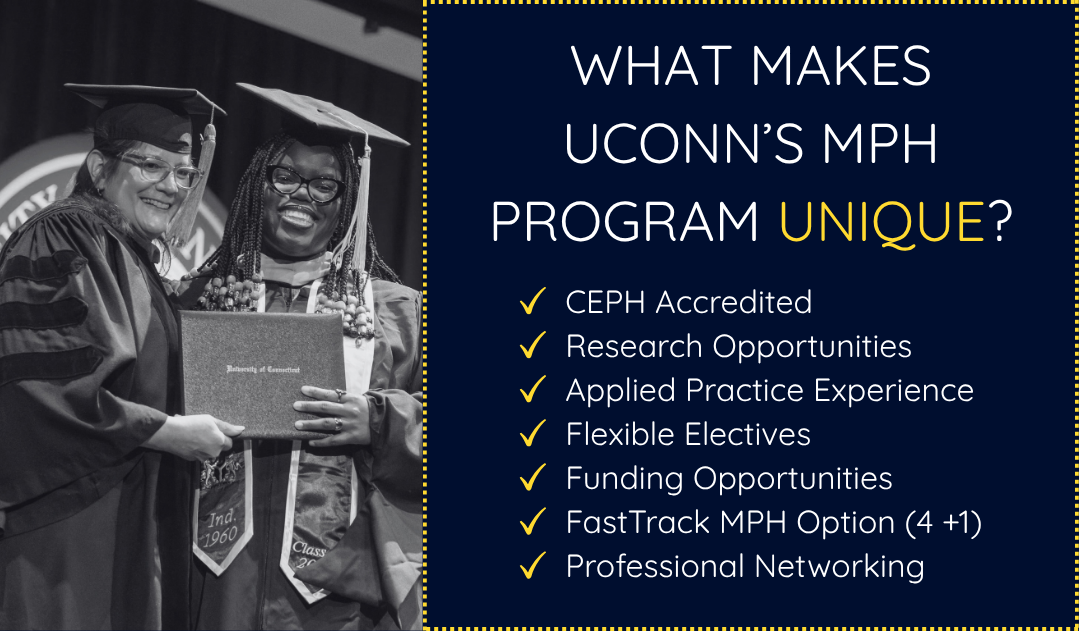
What makes the UConn MPH unique?

Mahir-Blog-Yellow

Navigating your path into grad school can be tough, especially when options might feel infinite. Being able to make an informed decision at this stage is crucial as it can have a profound impact on the rest of your life. In this post today, we’ll talk about seven factors that make our Master of Public Health a great choice for anyone considering a career in public health.

  1. CEPH accreditation

The MPH program at UConn Health is CEPH accredited. CEPH stands for the Council on Education for Public Health, which ensures that curricula, faculty, and resources offered in the program are rigorous enough to guarantee competent professionals for the workplace. What this means for you is that the program’s curriculum is held to a nationally recognized standard, ensuring a high-quality education that equips you for success in the real world.

  1. Interdisciplinary Research Opportunities

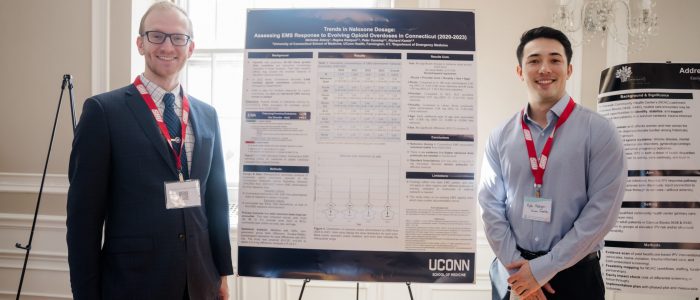
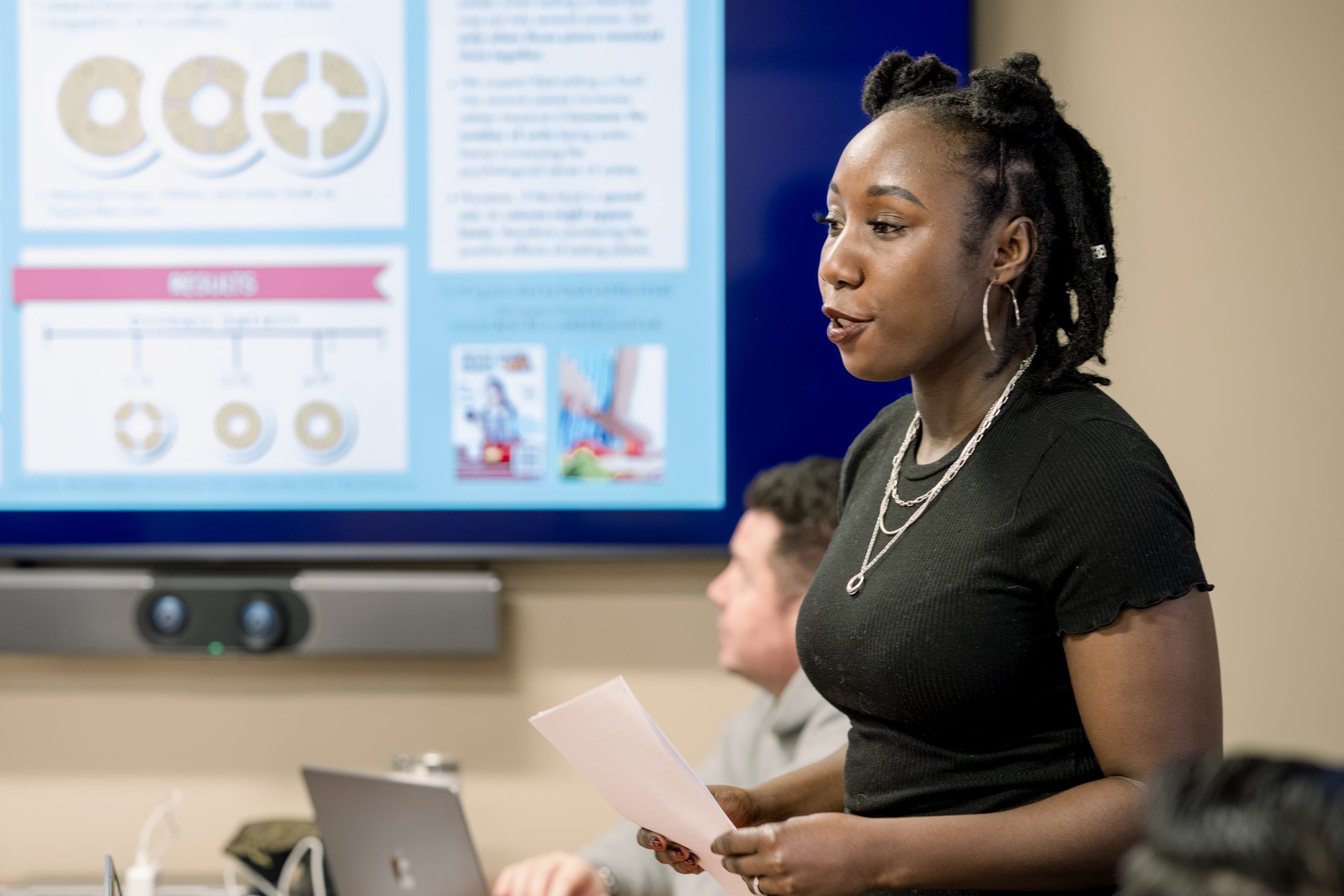
Collaborating on research projects with professors is one of the most rewarding experiences of grad school. This experience not only helps you build your research skills but also paves the way for additional opportunities in academia and research. The practical experiences you can gain through these experiences pay off immensely in the long run.

At UConn Health, our program has faculty from a plethora of fields who are engaged in cutting-edge research. If you enjoy research and want to hone your research skills further, you’ll have plenty of opportunities to do so. To learn more about our faculty research interests, please visit here.

  1. Applied practice

For many of us, grad school is the final stage of formal education before entering into the professional world. Therefore, it is important to choose a program that makes practical learning a part of its curriculum so that we can be better prepared for the professional world.

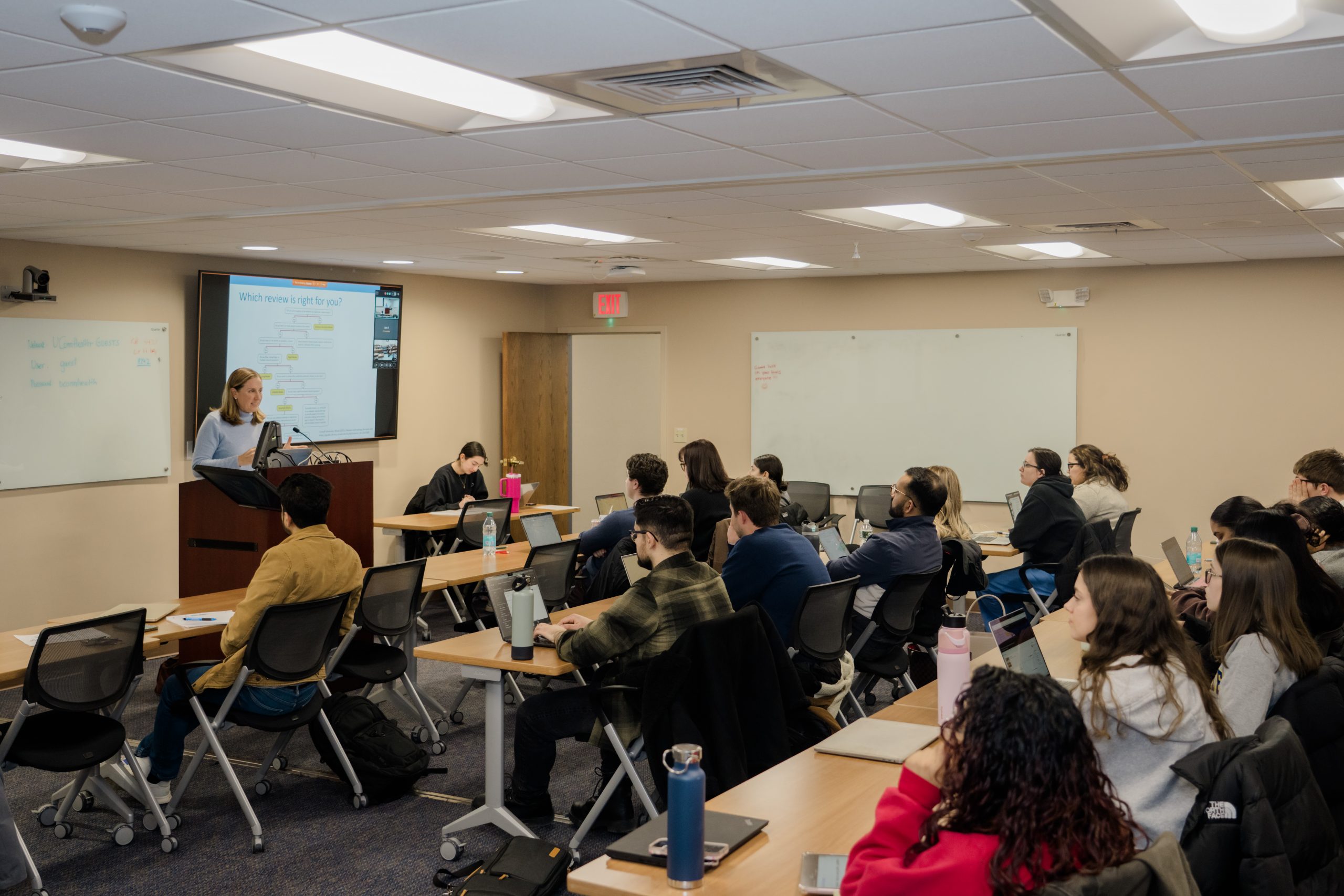
The MPH at UConn Health goes beyond classroom experience. It allows you to apply your learned knowledge into real-world settings through practicum, capstone, or a thesis project. From practicum, a supervised hands-on field experience with a local health organization, to capstone, you’ll have plenty of scope to gain real-life experience. The program also offers many volunteering opportunities that offer you the chance to become involved with the community and put your learned knowledge into practice in a meaningful way. Each of these experiences will bring you one step closer to becoming an efficient and resourceful public health professional.

If you’re interested in learning about practicum or our grad students’ experiences, please visit here.

  1. Customize your degree

The MPH program offers a variety of electives to choose from. In addition to the core courses, these electives give students the opportunity to tailor their degree to their own interests. Whether you are interested in statistics, occupational and environmental epidemiology, or law and ethics, there is something for everyone. This variety of electives helps students build a strong foundation in their chosen area of interest.

  1. Funding opportunities

The MPH program at UConn Health also offers many funding opportunities for students. These funding opportunities come in many forms, such as fellowship, teaching and/or research assistant, graduate assistant, and more. In addition to providing invaluable practical experiences, these opportunities often provide tuition remissions or a stipend for students. What’s more exciting than getting paid for studying?

  1. Accelerated program

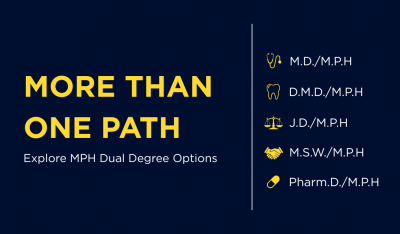
The MPH program at UConn Health also offers many dual degrees and an accelerated program. Our most common accelerated program is called the FastTrack MPH program, which enables UConn undergraduates to earn a Master of Public Health in one year. In this program, eligible students take 12 graduate credits during their time in undergrad that count toward both their bachelor’s and MPH degrees, saving both time and money. If you’re interested in learning more about our FastTrack program, please visit here.

  1. Expanded networking opportunities

Our MPH program attracts students from a variety of fields, including medicine, business, psychology, and data science. Each class is designed to encourage collaboration at every step, providing ample opportunities for students to connect and build professional relationships. The connections formed in the program often result in lifelong friendships.

As mentioned in the article, graduate school is often the final stage of formal learning for most of us. So, before you choose your grad school, ensure it is equipped with resources to help you reach your goals.

If you have any questions, please reach us out at publichealth@uchc.edu.

What Is Applied Public Health?

What “Applied” Really Means Within Our Program

Public health careers in the 21st century demand proficiency interprofessional collaboration, encompassing skills relevant to system-level strategies addressing health within the context of our environment and social structures. Our program’s distinct concentration on Interprofessional Public Health Practice brings medical, dental, social work, law, pharmacy and public health students together with to share and collaborate on learning and service project.  Our concentration also reflects a commitment to the practice of public health where students receive ample exposure and interaction with public health professional who one day will be their peers in protecting the health and well-being of our citizenry. Our program is made up of a dynamic community, where students, alumni, faculty, and community partners work together to shape our public health systems and services. When considering the landscape of public health in Connecticut, the impact of our program cannot be overstated.

Applied vs. Theoretical Public Health

Applied public health focuses on solving specific, real-world health problems by collecting and acting on data, while theoretical public health focuses on building generalized knowledge, frameworks, and models to understand health phenomena. Applied public health is action-oriented (e.g., creating a vaccination program), while theoretical public health is knowledge-oriented (e.g., studying the social determinants of health to build a model for behavior change)

In some of our classes we teach topics that cover course covers AI, automation, design and data software systems; so they can communicate in the field no matter if they are an environmental researcher, policy maker or biostatistician. The purpose of our classes are to help public health professionals become more advanced with various tools and technology many struggle with after graduation.

You can learn more about our curriculum and competencies here

Skills Students Gain (community engagement, data use, communication)

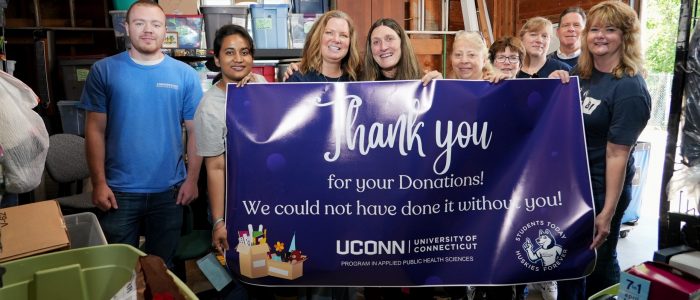
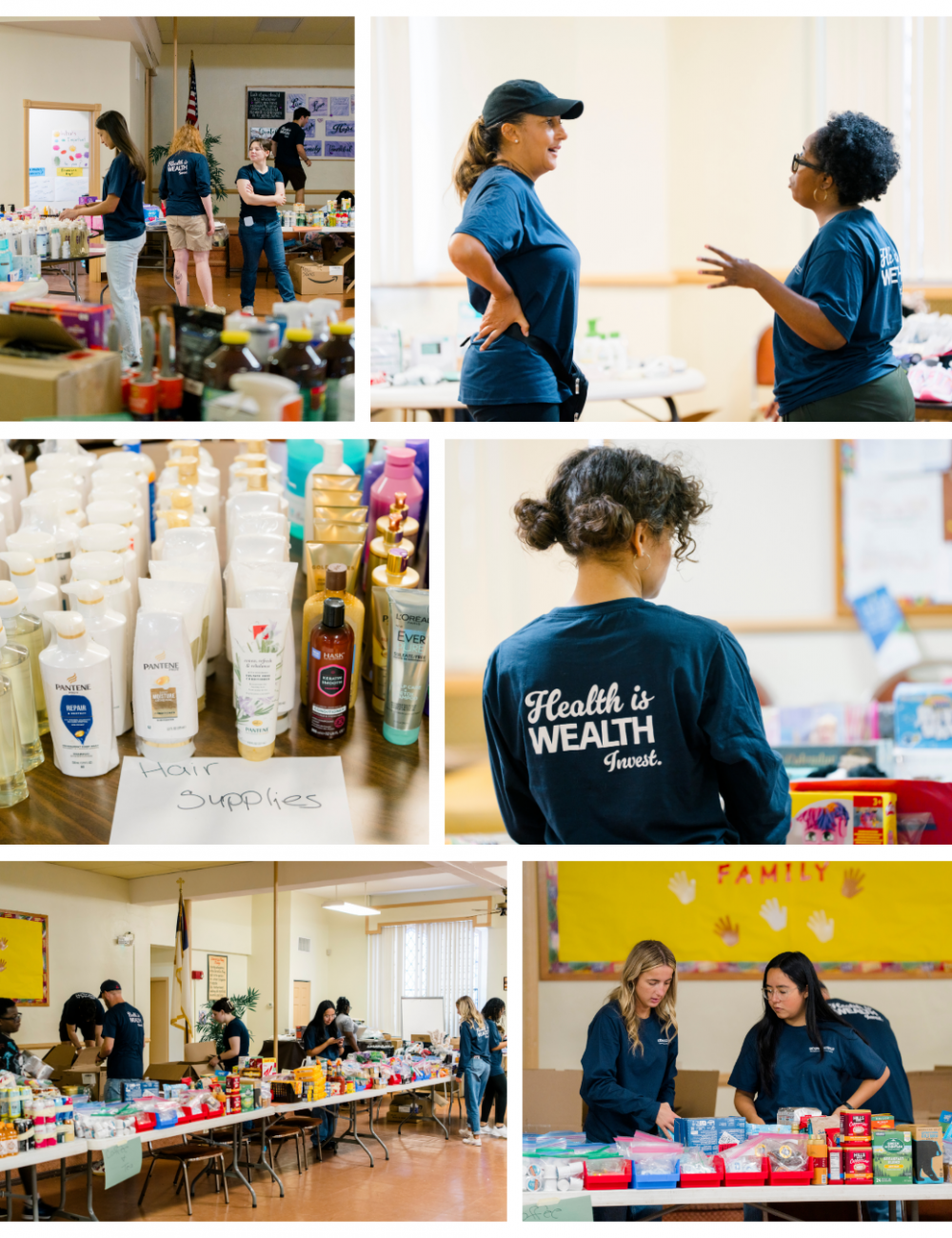
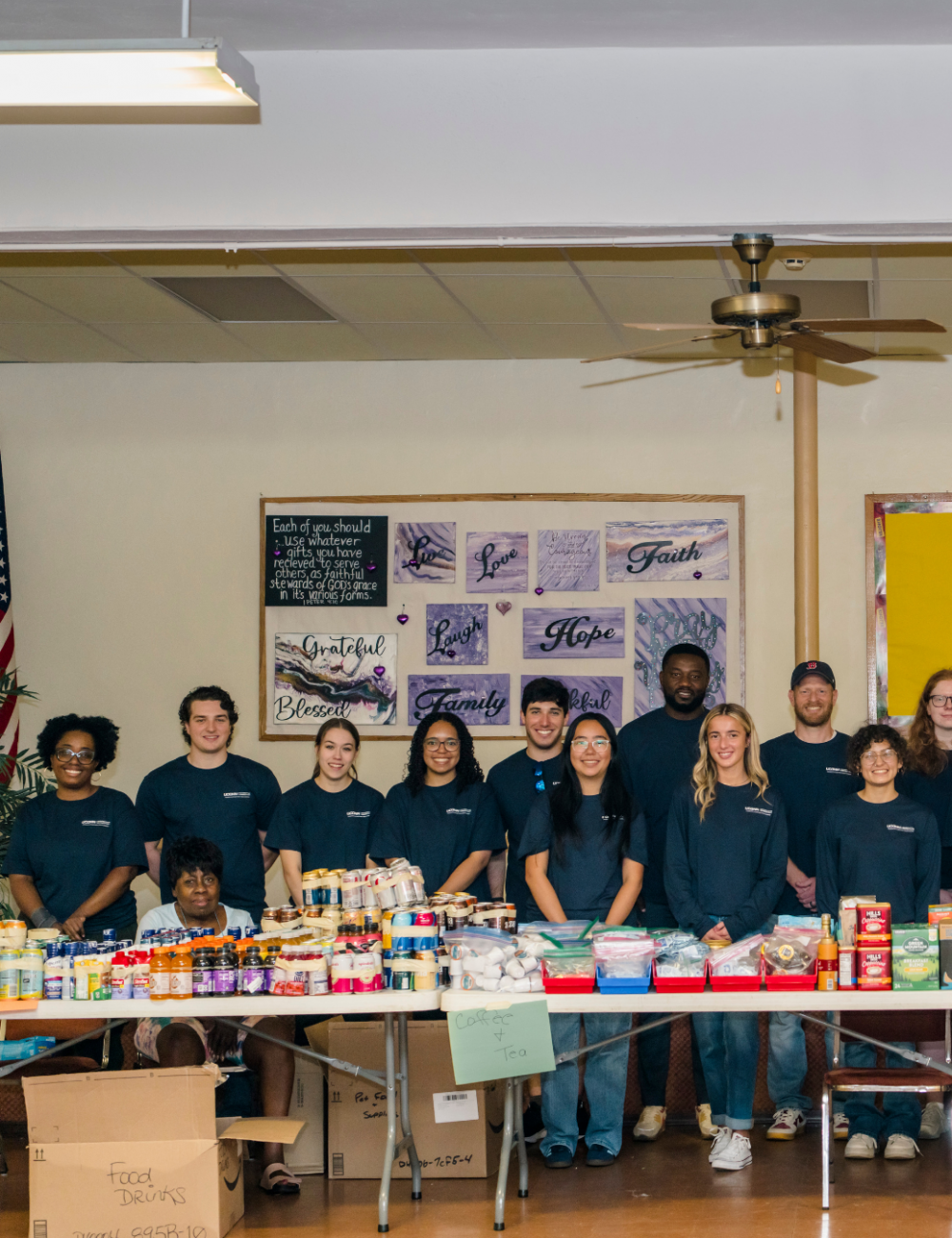
This past fall, our MPH students kicked off the semester with an afternoon of service at the Metropolitan AME Zion Church in Hartford. Led by Dr. Amy Hunter, the students partnered with SAVE (Saving African American Village), a local organization that collaborates with Amazon each month to bring essential household items to community members in need. These items are distributed at no cost through a monthly community store hosted at the church. As part of the service event, MPH students worked together to prepare donations, organize supplies, and set up the space for the upcoming community store. Their efforts directly support families across Hartford, helping ensure that vital resources are accessible to those who need them most.

Events like this are a cornerstone of the MPH experience at UConn. Beyond the classroom, students gain hands-on opportunities to engage with communities, support health equity initiatives, and build relationships that shape their future careers in public health.

How Applied Learning Prepares Students for Careers

Mayra shares how the UConn MPH program prepared her for meaningful, real-world work in the field. She speaks about the skills she gained: from community engagement and program planning to data-driven decision-making; continuing to shape her career. Now working at the Hispanic Health Council, Mayra plays a role in supporting community health efforts that directly intersect with the medical community, highlighting how public health complements clinical care by focusing on prevention, access, and systems-level change.

“Overall, the MPH program has opened doors for me to pursue work in my own community. For a long time I had the desire to give back to my community in a meaningful way. If it hadn’t been for the program, it wouldn’t have led me to interning for the Hispanic Health Council which in turn wouldn’t have led me to working for this current study. I owe much of the opportunities I have encountered to this program and the people who have mentored me along the way. I am very knowledgeable that I am still young and early into my career but that doesn’t mean that I am not excited about what is to come. Because the reward for work well done is the opportunity to do more.”

Explore our MPH Program

Explore our other Public Health Programs