Student Research

Inside the 2026 MPH Poster Session: Student Research Making an Impact

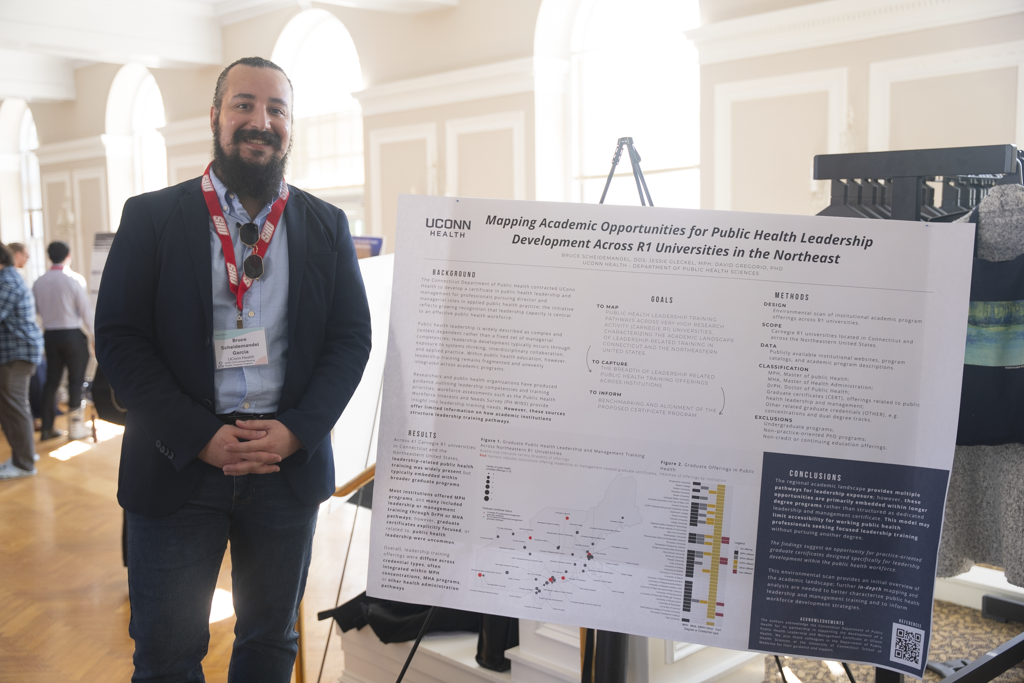
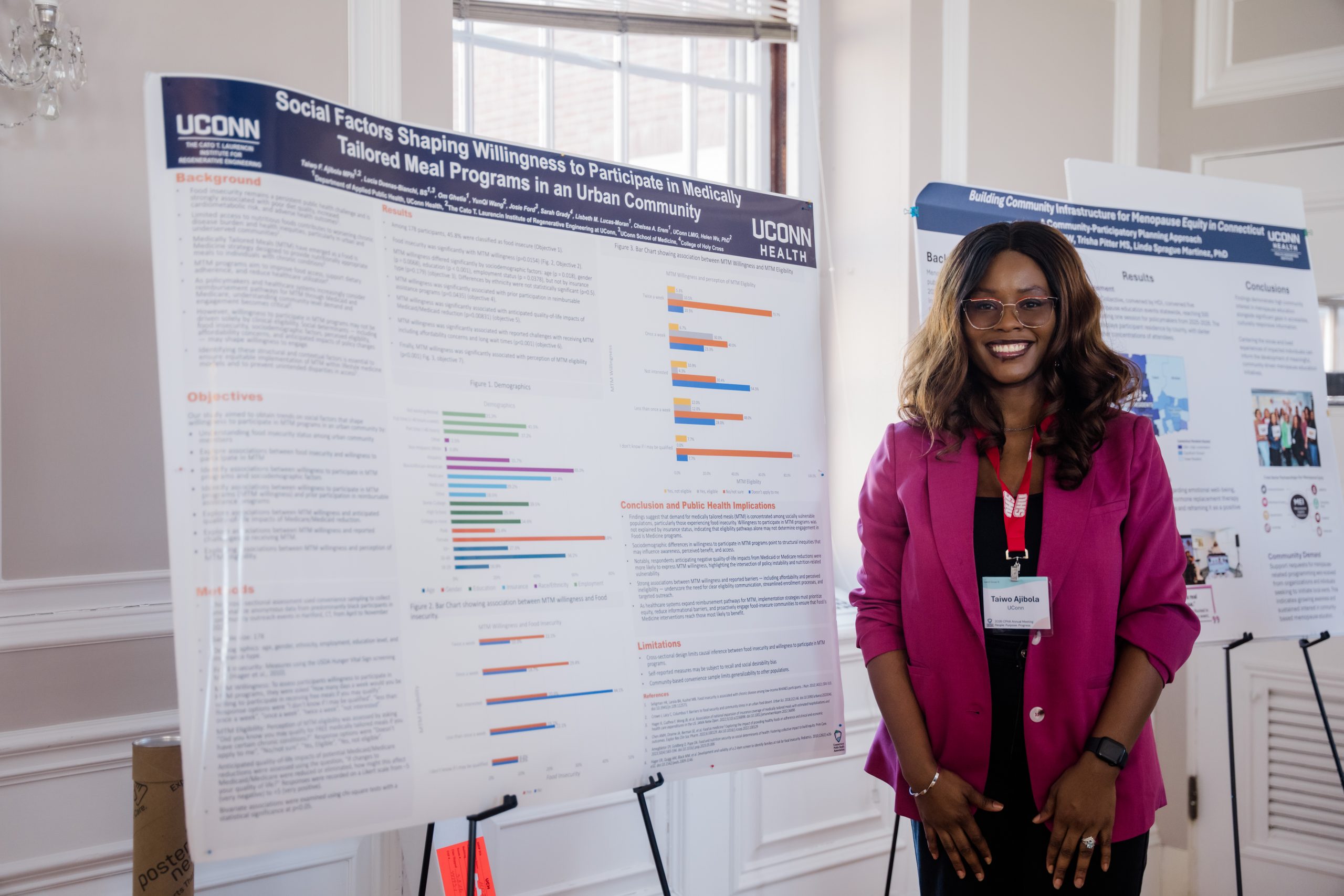
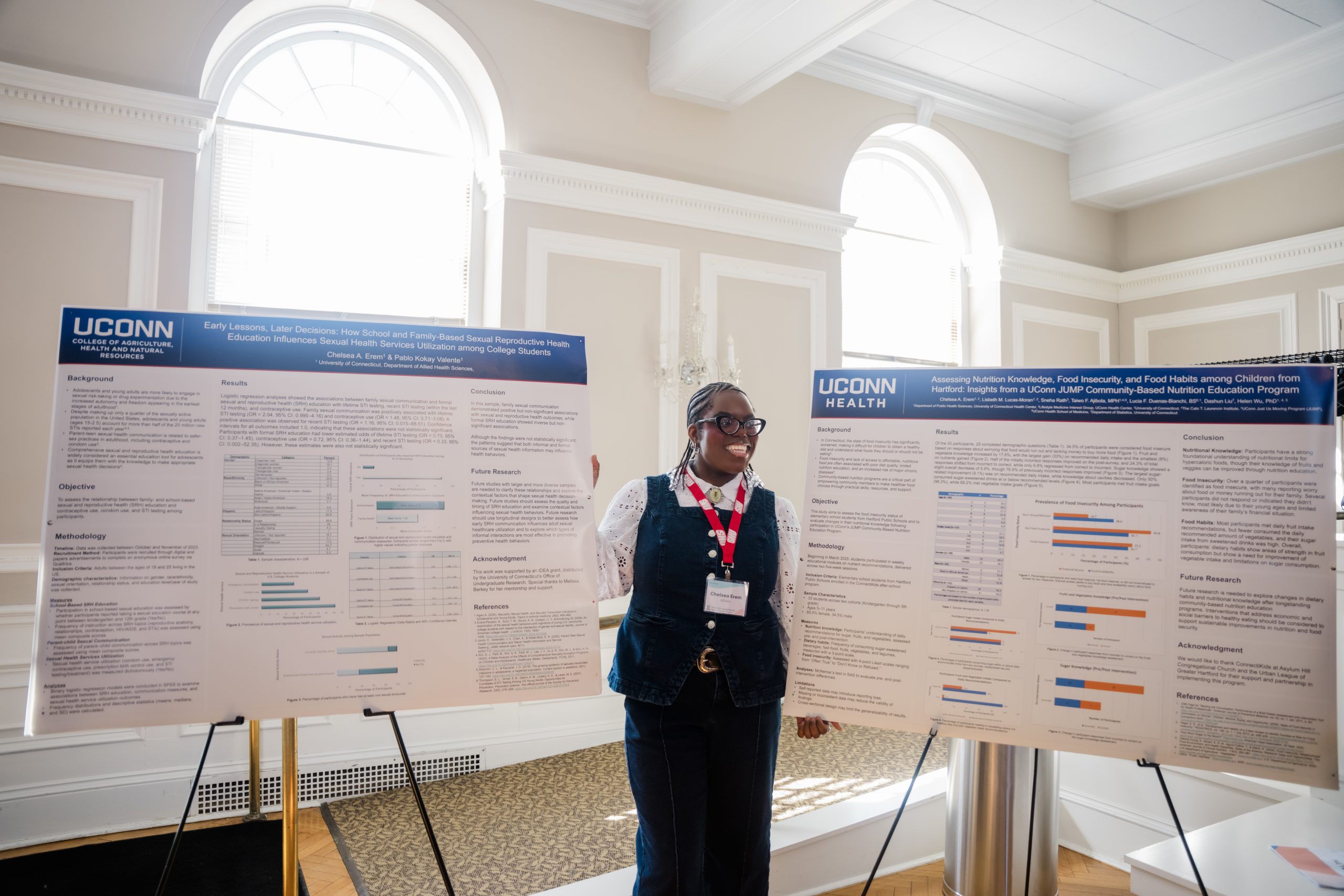
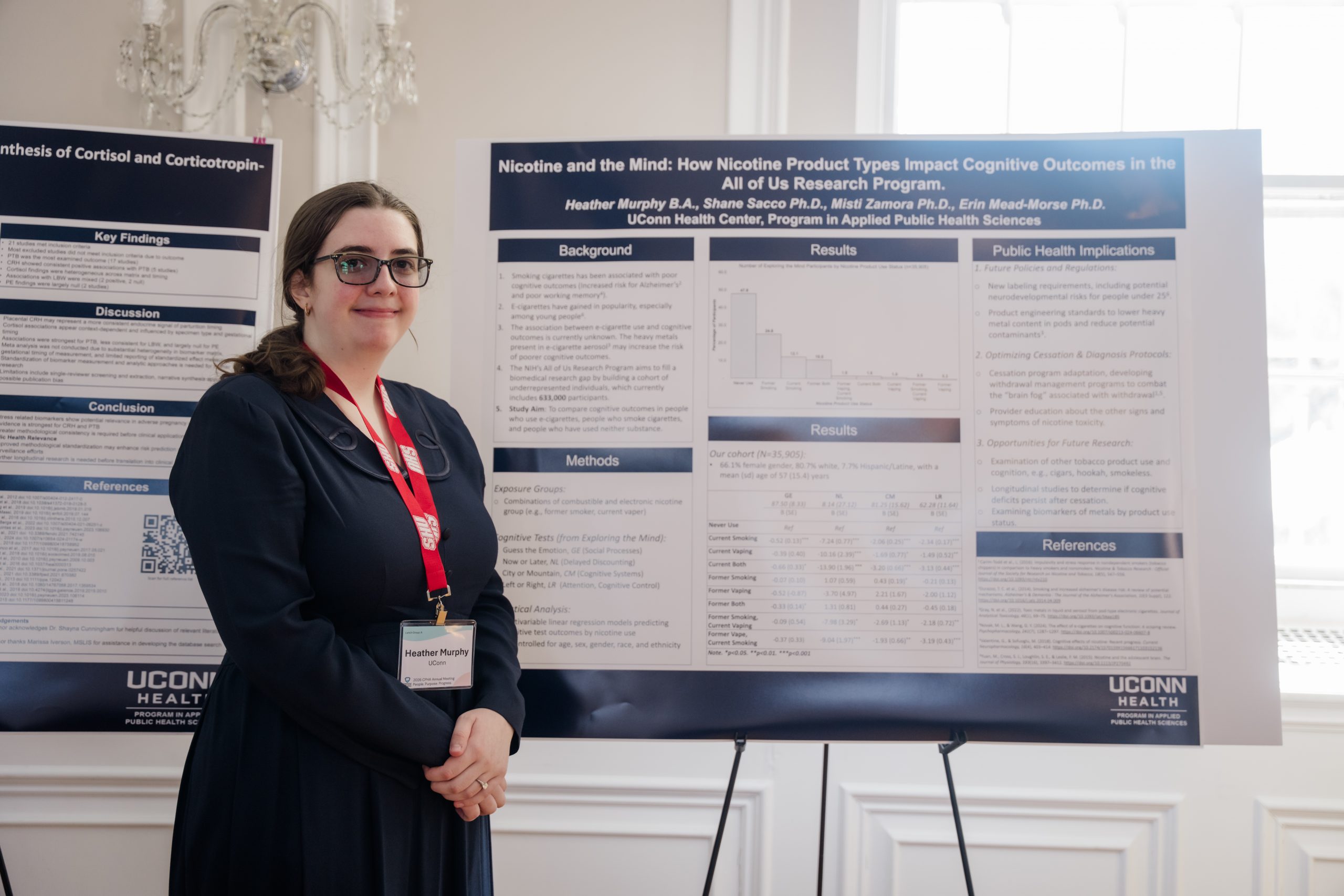
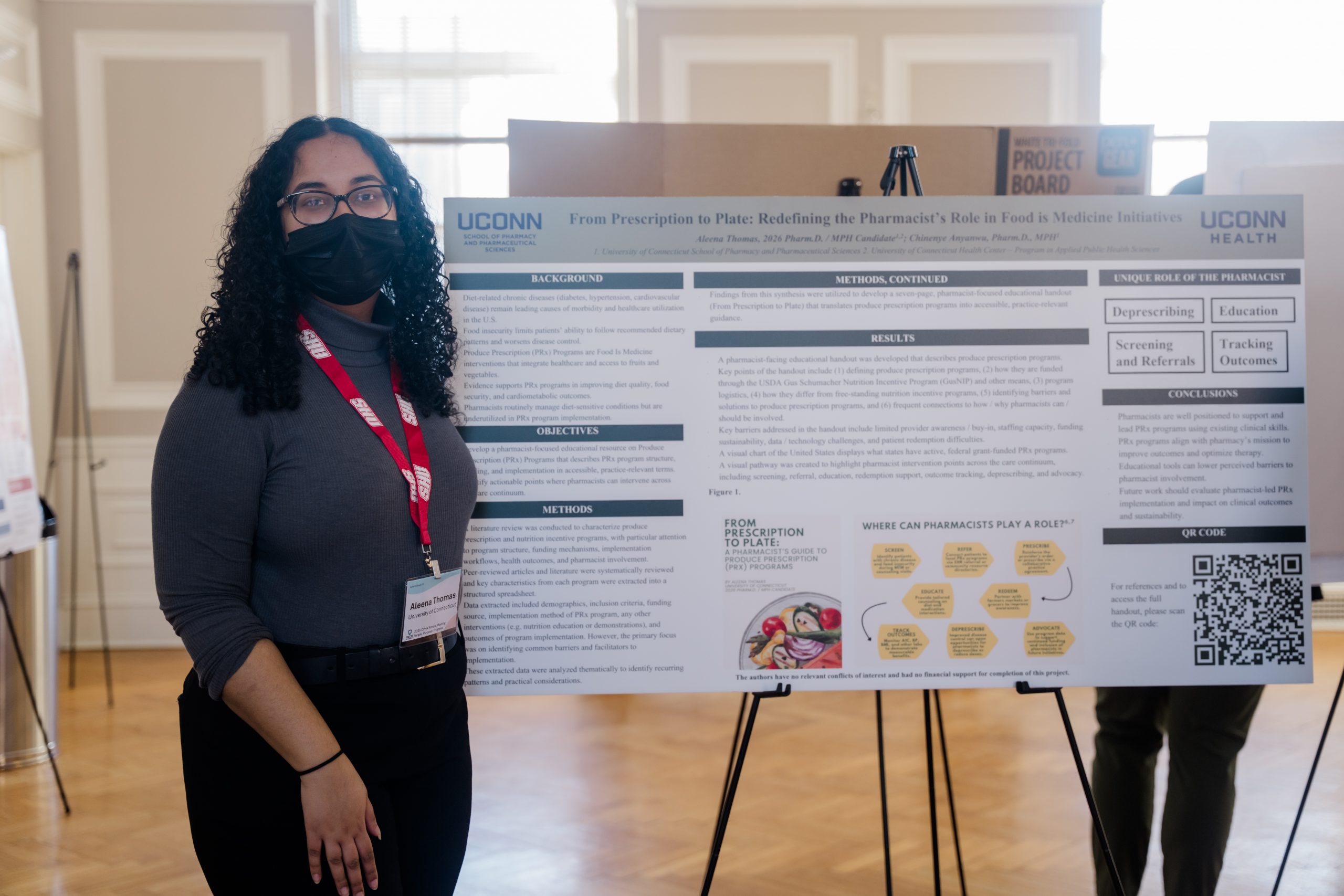
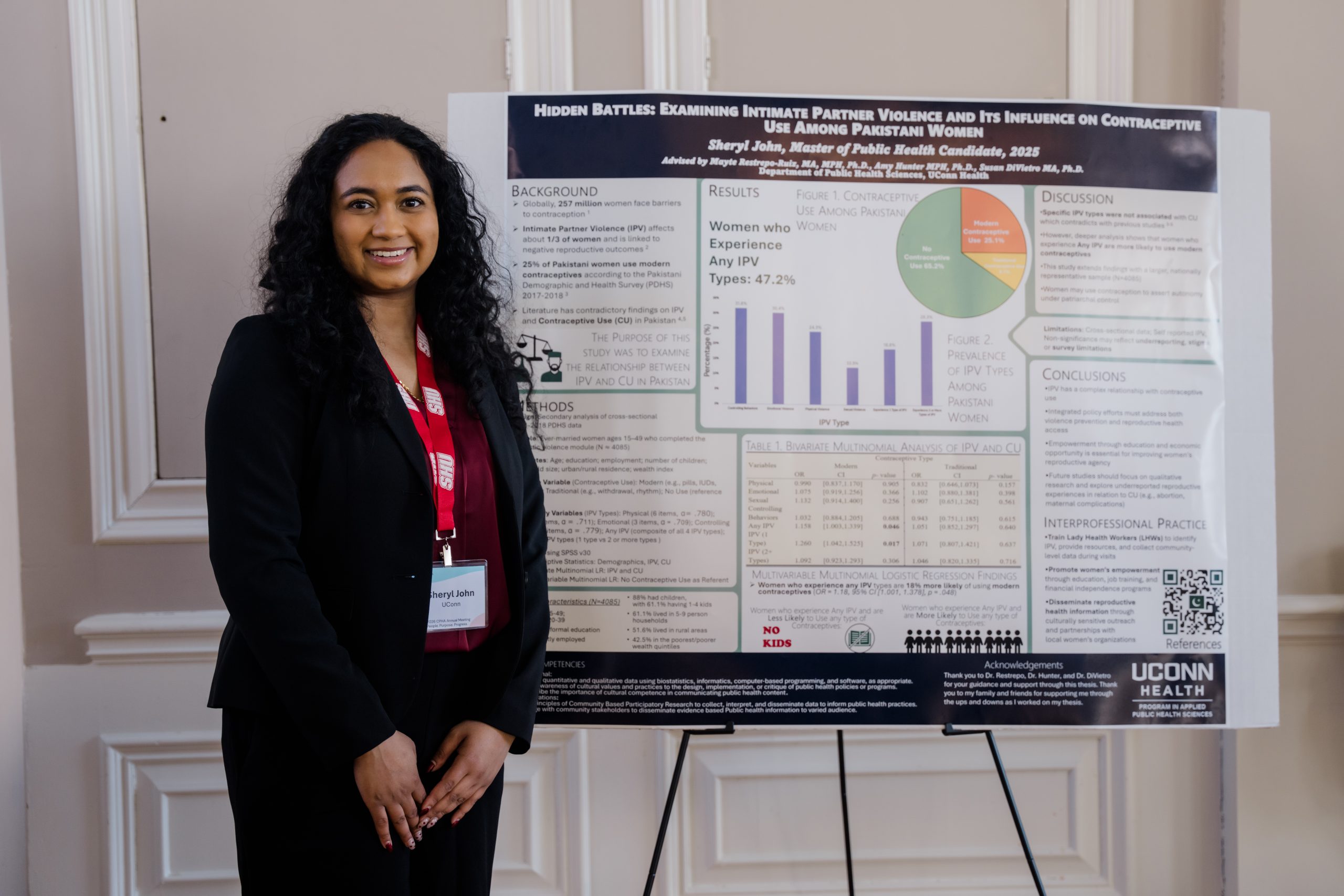
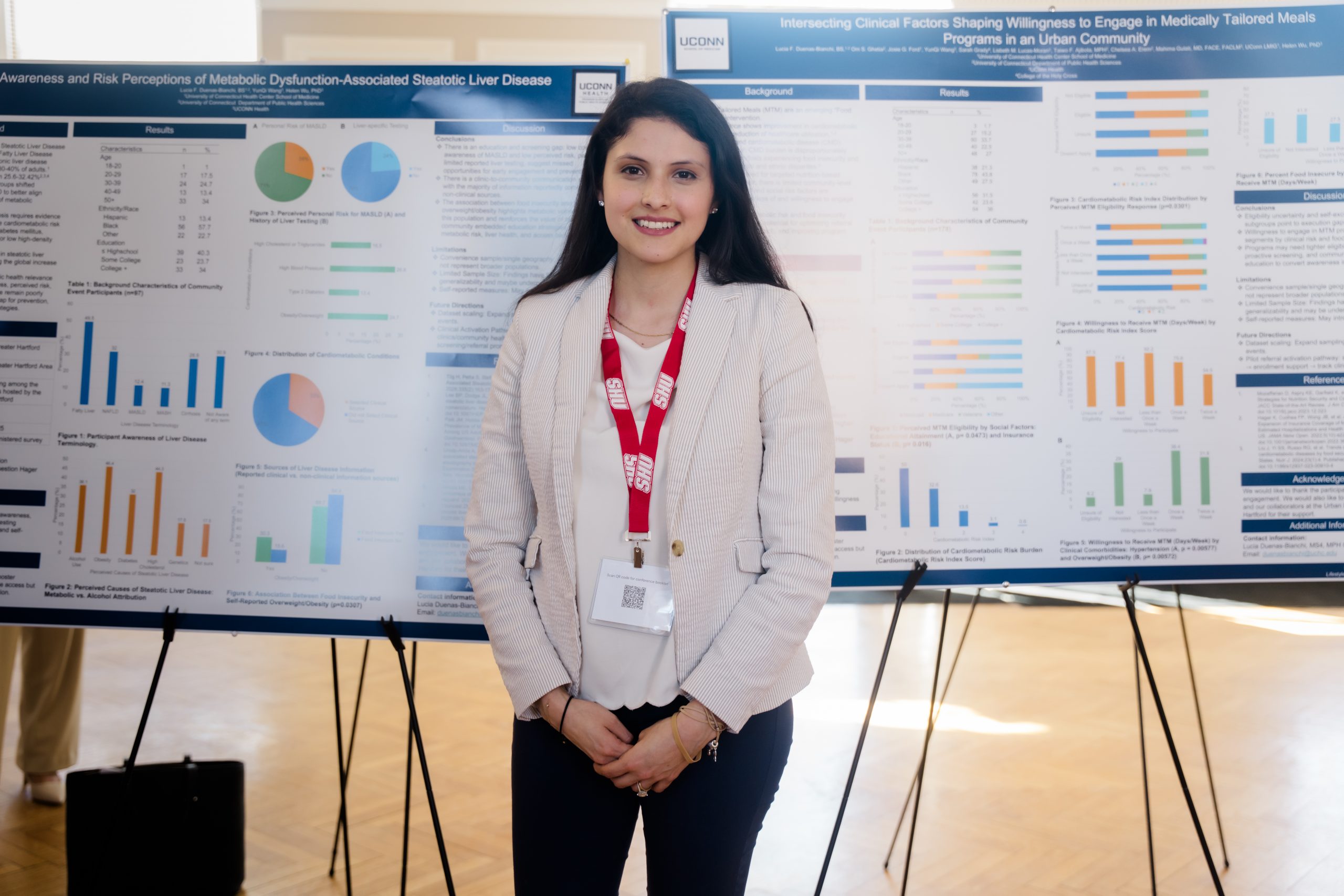
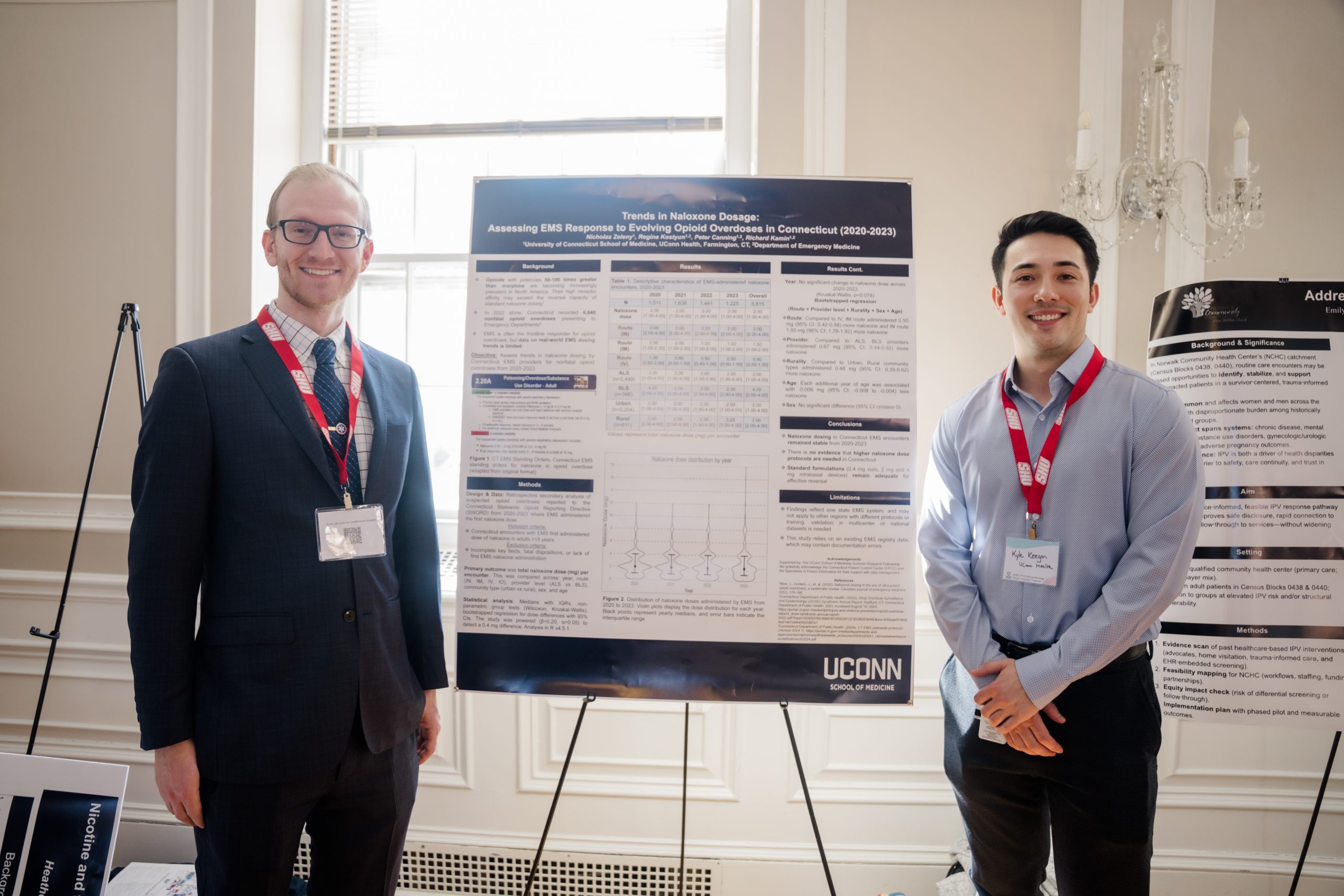
The 2026 Master of Public Health (MPH) Poster Session showcased the breadth, depth, and real-world impact of student research at UConn. From improving healthcare access to advancing chronic disease research, students presented projects that reflect both the challenges and opportunities facing public health today.

Research That Meets Real-World Needs

Students explored a wide range of pressing public health topics across Connecticut and beyond. One project examined access to over-the-counter birth control using a statewide “mystery caller” approach, highlighting gaps in availability and consistency across pharmacies.

Other students focused on chronic disease epidemiology, including research on long-term metformin use and its potential association with gastrointestinal cancer risk.

Accessibility and inclusion were also key themes, with one student developing a structured module designed to make dance recreation spaces more inclusive through education and assessment tools.

Addressing Health Equity in Connecticut

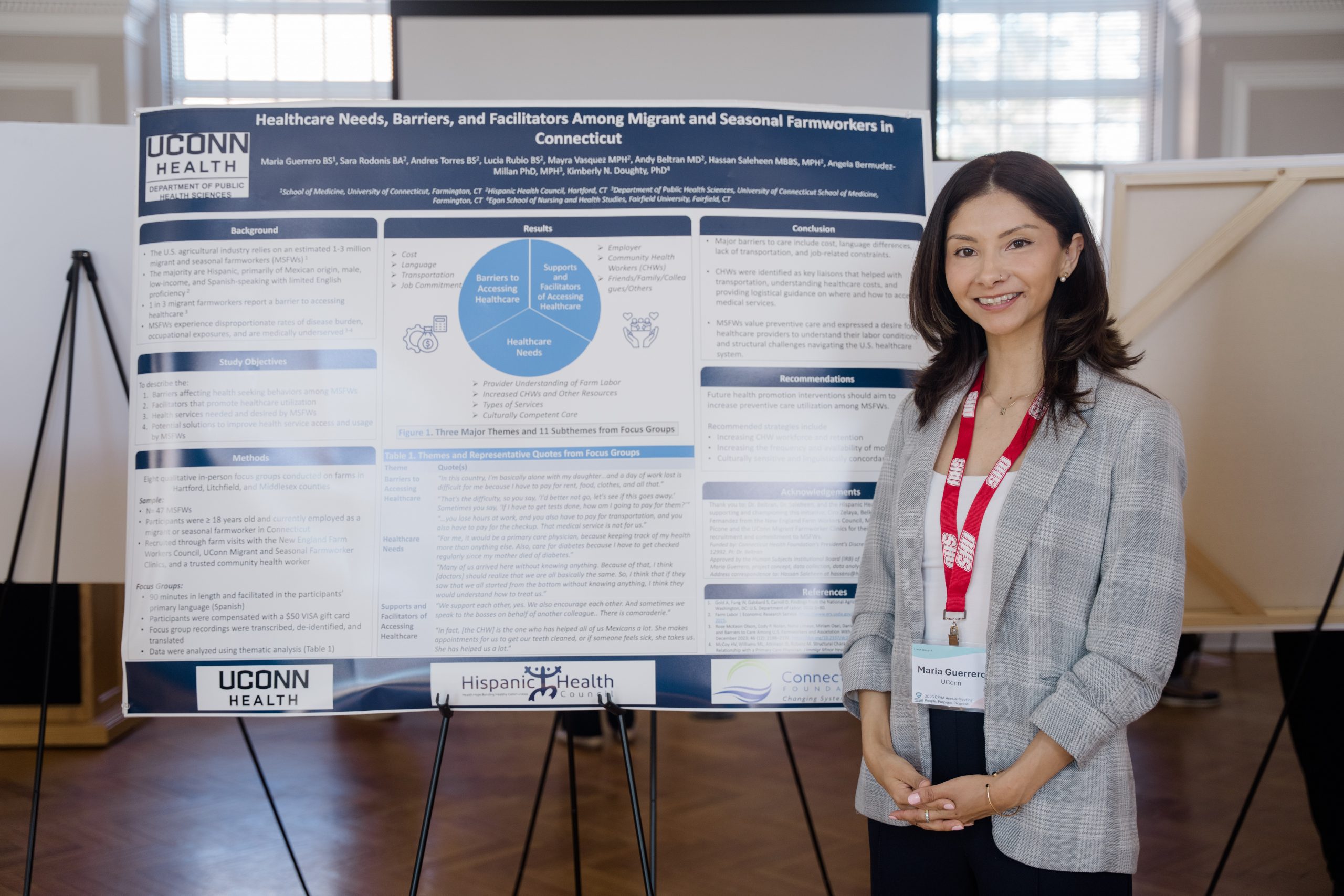
Several projects centered on underserved populations and health equity. Research on migrant and seasonal farmworkers in Connecticut identified critical barriers to healthcare, including access challenges, unmet health needs, and factors that influence care-seeking behavior.

These findings point toward actionable solutions, such as expanding mobile clinics and increasing investment in community health workers to better serve vulnerable communities across the state.

From Classroom to Career

Beyond the research itself, the poster session highlighted where these future public health professionals are headed next.

Graduates are moving into a variety of impactful roles, including:

  • Residency programs in internal medicine and anesthesiology
  • Careers in clinical and research settings
  • Positions in government and public health agencies

These next steps reflect the program’s strong emphasis on applying public health training in real-world settings—whether through patient care, research, or policy work.

A Launchpad for Impact

The MPH Poster Session is more than a capstone—it’s a launching point. Students leave not only with research experience, but with the skills to translate data into action, advocate for communities, and contribute to meaningful change in public health.

As this year’s graduates step into the next phase of their careers, their work continues to shape healthier communities across Connecticut and beyond.

Subscribe to our YouTube channel for more content like this
MPH Students, Alum & Faculty Present at UConn’s 2026 Health Equity Research Symposium

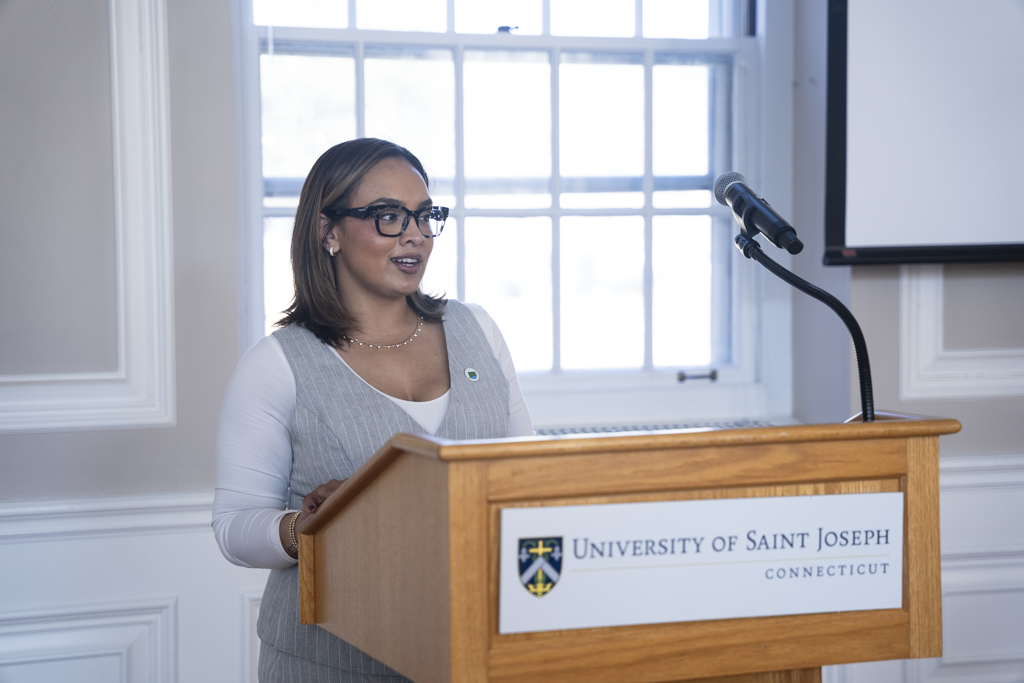
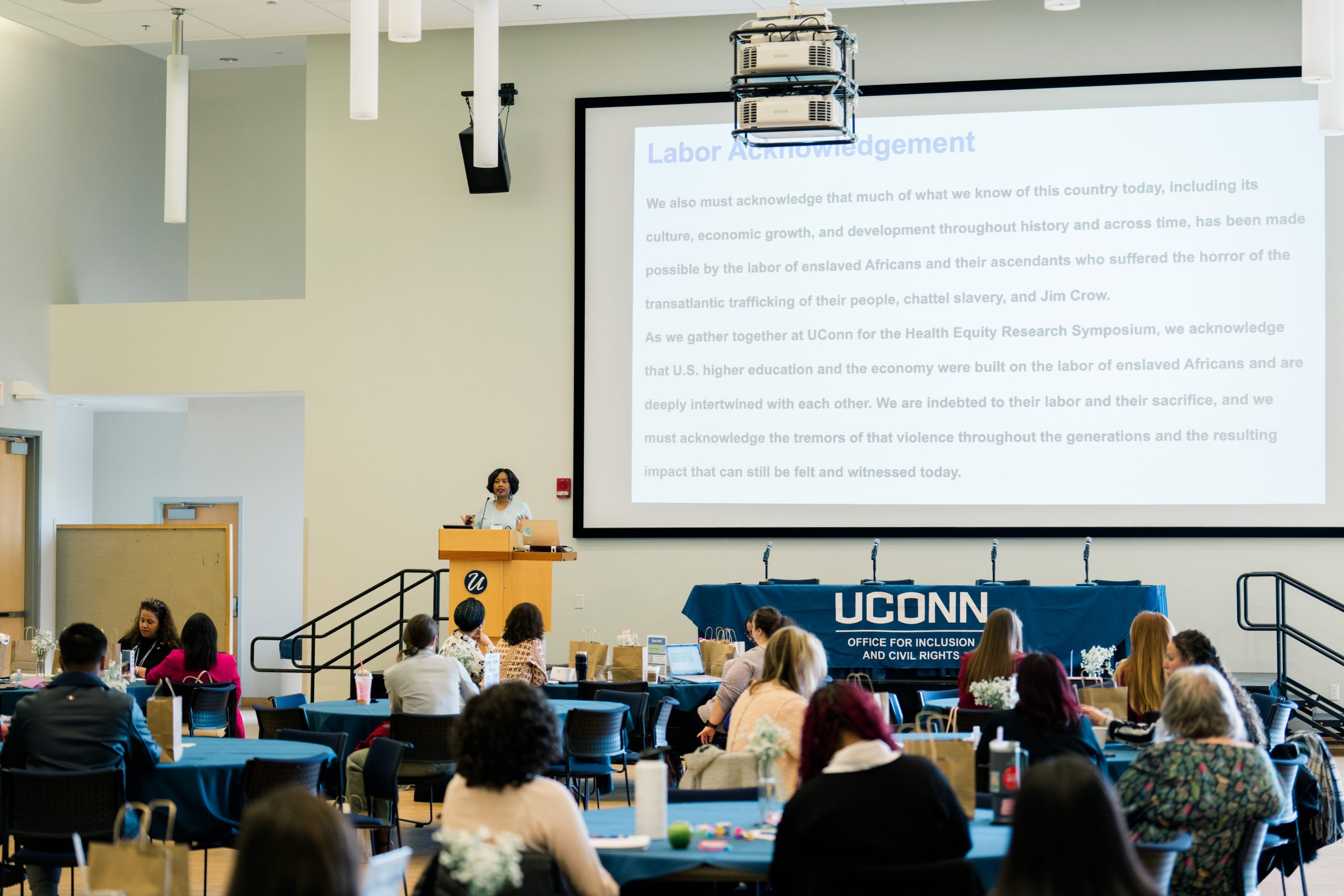
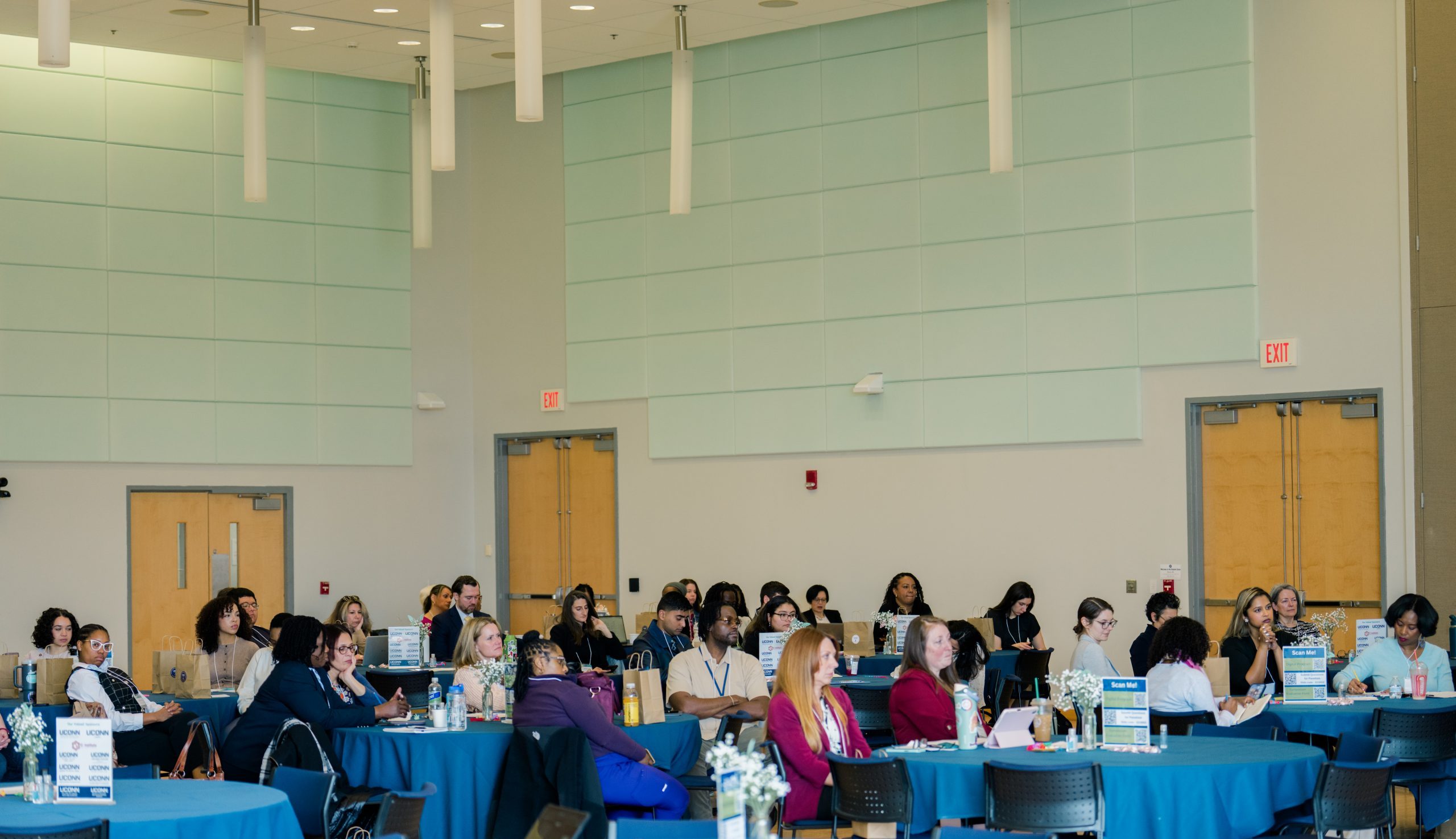
On March 26, UConn’s 2026 Health Equity Research Symposium & Poster Session brought together students, faculty, researchers, and community partners to explore how collaboration and applied frameworks can drive meaningful progress toward health equity. Rooted in the theme “Rooted in Connection: Co‑Creating Equity Through Collaboration,” the symposium emphasized translating equity principles into action across research, teaching, and practice.
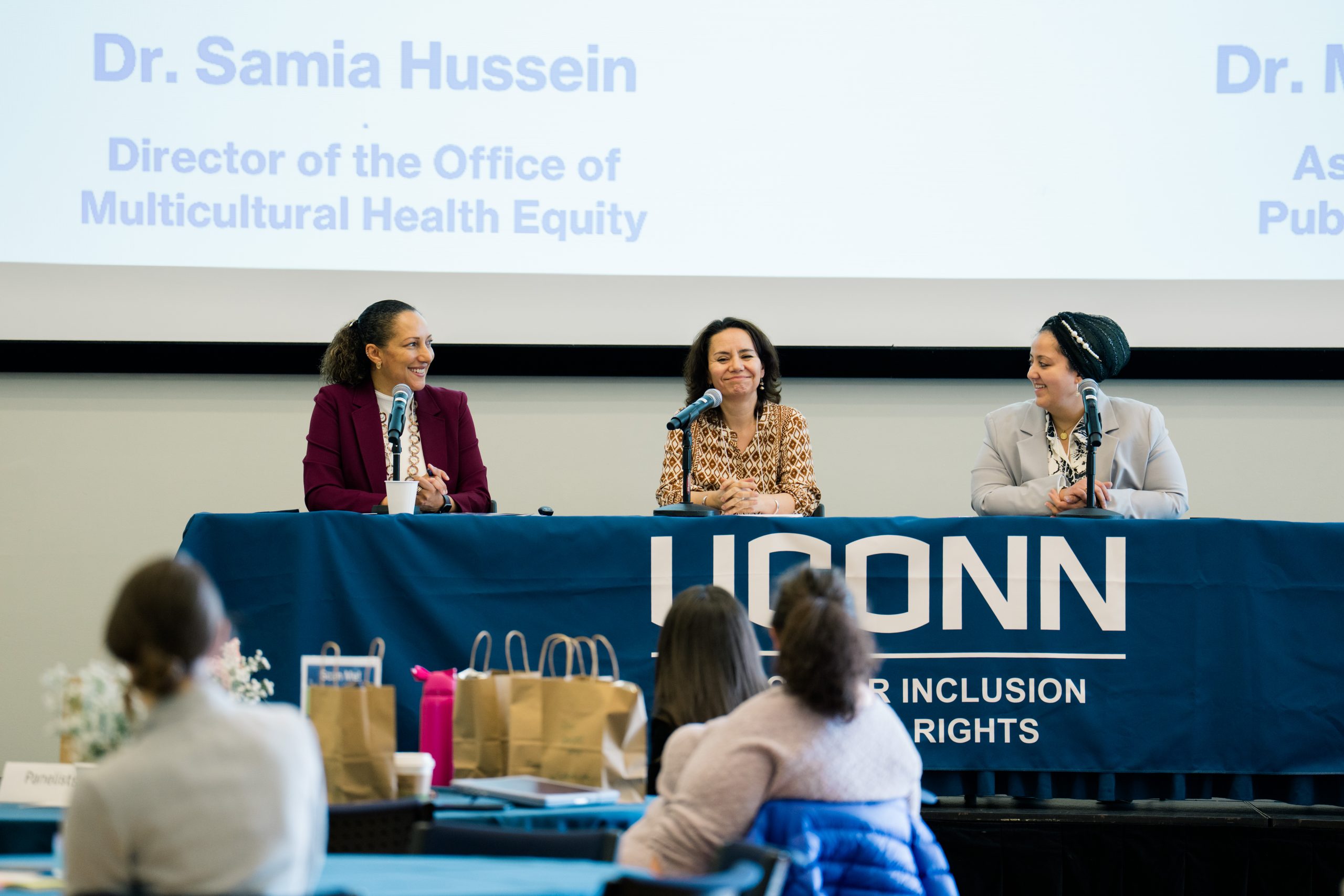
A highlight of the symposium was the panel “Foundations of Health Equity: From Frameworks to Practice,” a session designed to ground attendees in core health equity principles and examine how these frameworks are applied across disciplines.

  • Dr. Stacey Brown, Program Director
  • Dr. Mayte Restrepo‑Ruiz, Public Health Sciences faculty
  • Dr. Samia Hussein, MPH alumna

Together, the panelists explored how foundational equity frameworks inform public health teaching, research, and real‑world action. Their discussion emphasized the importance of moving beyond theory to practice—connecting academic work with community‑centered solutions and interdisciplinary collaboration.

The presence of MPH leadership, faculty, and alumni on this panel underscored the program’s role in shaping public health professionals who are prepared to address structural inequities at local, state, and national levels.

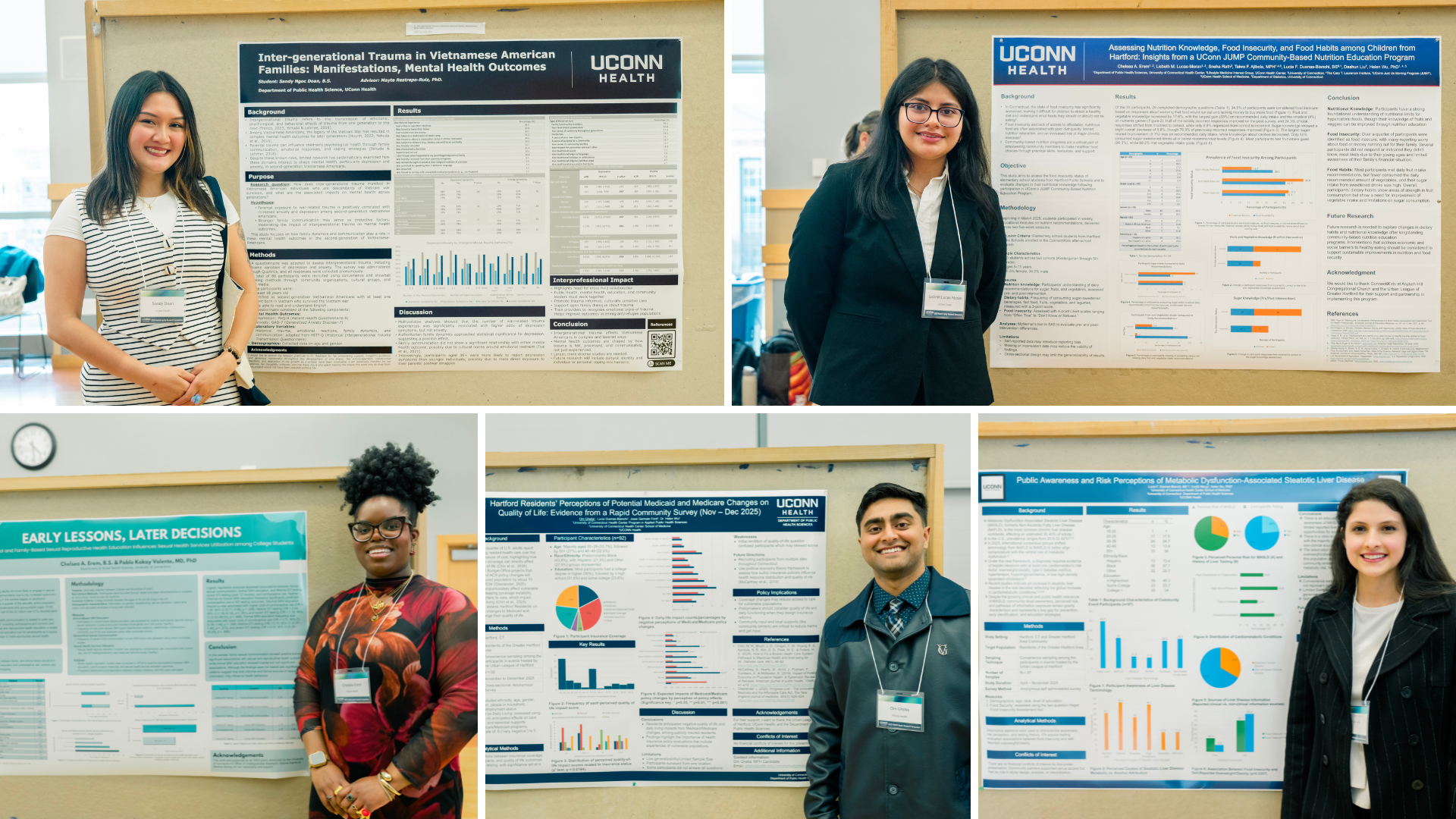
MPH students also contributed to the symposium through research poster presentations, sharing work that reflects a wide range of public health interests and equity‑focused inquiry. The poster session created space for dialogue between students, faculty, practitioners, and community members, reinforcing the symposium’s goal of bridging research and practice.

Through these presentations, students demonstrated how MPH training translates into applied research and community‑relevant public health questions—an essential component of advancing health equity.

The 2026 Health Equity Research Symposium highlighted the strength of UConn’s public health community and the central role of students and faculty in advancing equity‑driven work. For the MPH Program, participation in the symposium reflects a broader commitment to preparing graduates who can critically engage with health inequities and contribute to solutions grounded in evidence, collaboration, and community voice.

Public Health Students at 2026 CPHA Conference

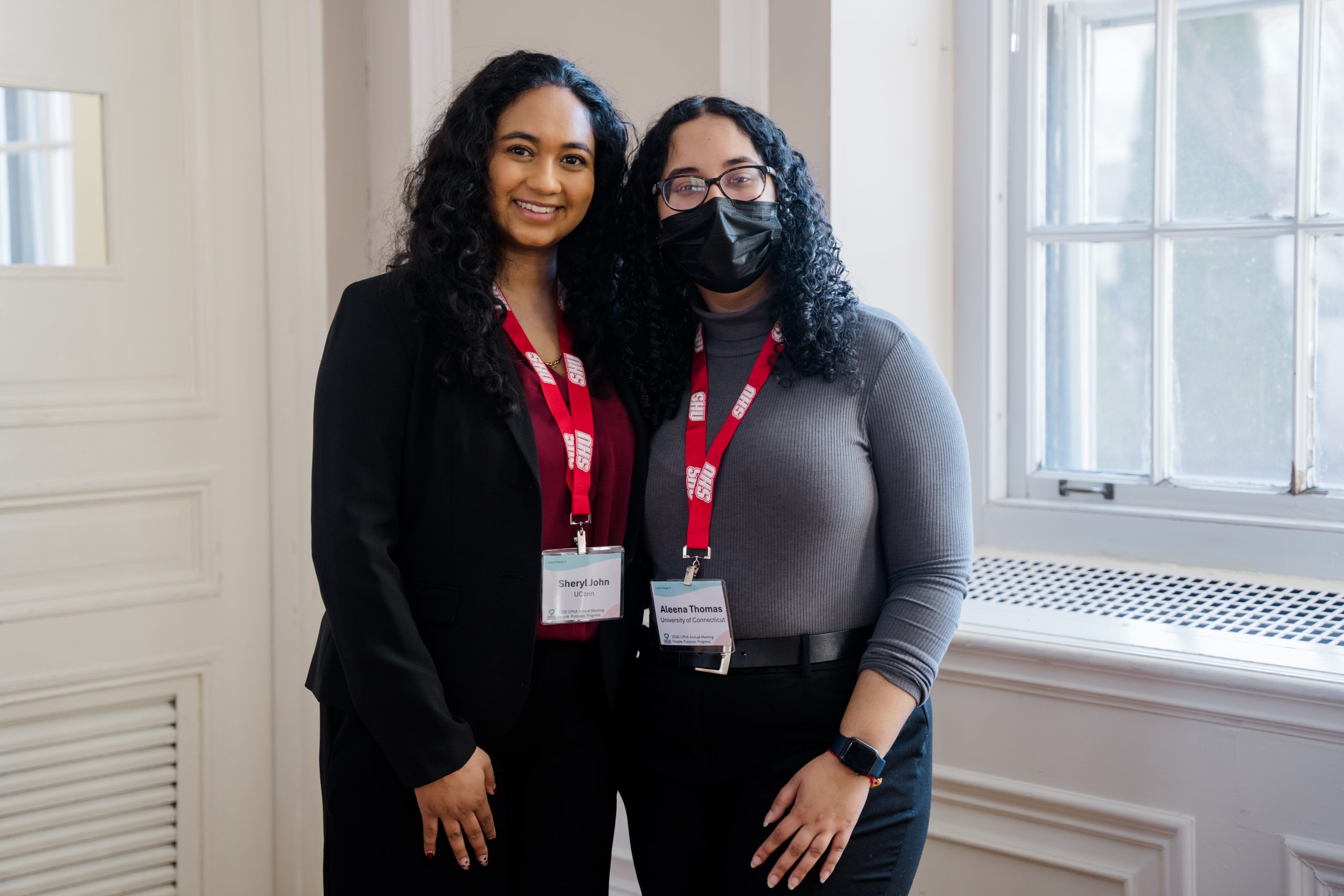
The department was strongly represented throughout the conference. Ten public health students presented a total of 14 posters, joined by MPH alumni and a current MPH student who delivered an oral presentation. Faculty and departmental researchers also contributed to the program, offering a range of presentations that provided valuable public health insights to the community.

To learn more about the conference, read about it on UConn Today here.

Exploring the Impact of Food Supplementation on Eastern Bluebirds and Their Parasites

Mahima Mehta and Eastern Bluebird to the right

(Mahima Mehta ’25, Photo Credit: Tharun Palla) (Eastern Bluebird, Photo Credit: mattcudaphotos)

One of our MPH students, Mahima Mehta and her colleagues recently worked on project entitled, Understanding spatiotemporal effects of food supplementation on host-parasite interactions using community-based science.

Sarah A. Knutie, Rachel Bahouth, Matthew A. Bertone, Caroline Webb, Mahima Mehta, Mia Nahom, Rachael M. Barta, Sharan Ghai, Ashley C. Love, Sydney Horan, Alexandria Soldo, Elizabeth Cochrane, Jenna Bartholomew, Emily Cowan, Heather Bjerke, Susan L. Balenger, Michael W. Butler, Allison Cornell, Ashley C. Kennedy, Virginie Rolland, Elizabeth M. Schultz, Mark Stanback, Conor C. Taff, Gregory F. Albery bioRxiv 2022.06.02.494595;

How does feeding wild birds impact their health and interactions with parasites? This question led to the creation of the Nest Parasite Community Science Project, a large-scale community-based science initiative that collected data from bird enthusiasts across the eastern United States.

Key Findings:

  • Community Involvement: Over three years (2018-2021), 68 dedicated nest box stewards from 26 states monitored 646 eastern bluebird nests.
  • Feeding Practices: Stewards provided mealworms or suet to some bluebirds and recorded their nesting success, including the number of eggs laid, hatched, and fledged.
  • Health Benefits: Food supplementation generally boosted fledgling numbers and success rates, indicating better overall health for the birds.
  • Parasite Patterns: The study identified common nest parasites like blow flies, fleas, and mites. Blow flies were more prevalent in northern areas, and their abundance was influenced by food supplementation, although the effects varied yearly.
  • Regional Differences: Interestingly, more southern stewards provided food compared to their northern counterparts, differing from other community-based projects’ findings.

Conclusion: While food supplementation increased the fitness of eastern bluebirds, it didn’t consistently protect them against parasites across all years. This research underscores the value of coordinated, long-term studies across various locations to understand complex ecological interactions and inform effective wildlife management strategies.

For a deeper dive into the study, check out the full article on bioRxiv.