As part of the Spring 2026 12th Week Enrichment series, and during National Public Health Week (April 6 to 12), MPH students gathered Wednesday evening for a program focused on reflection, learning, and accountability in health systems.
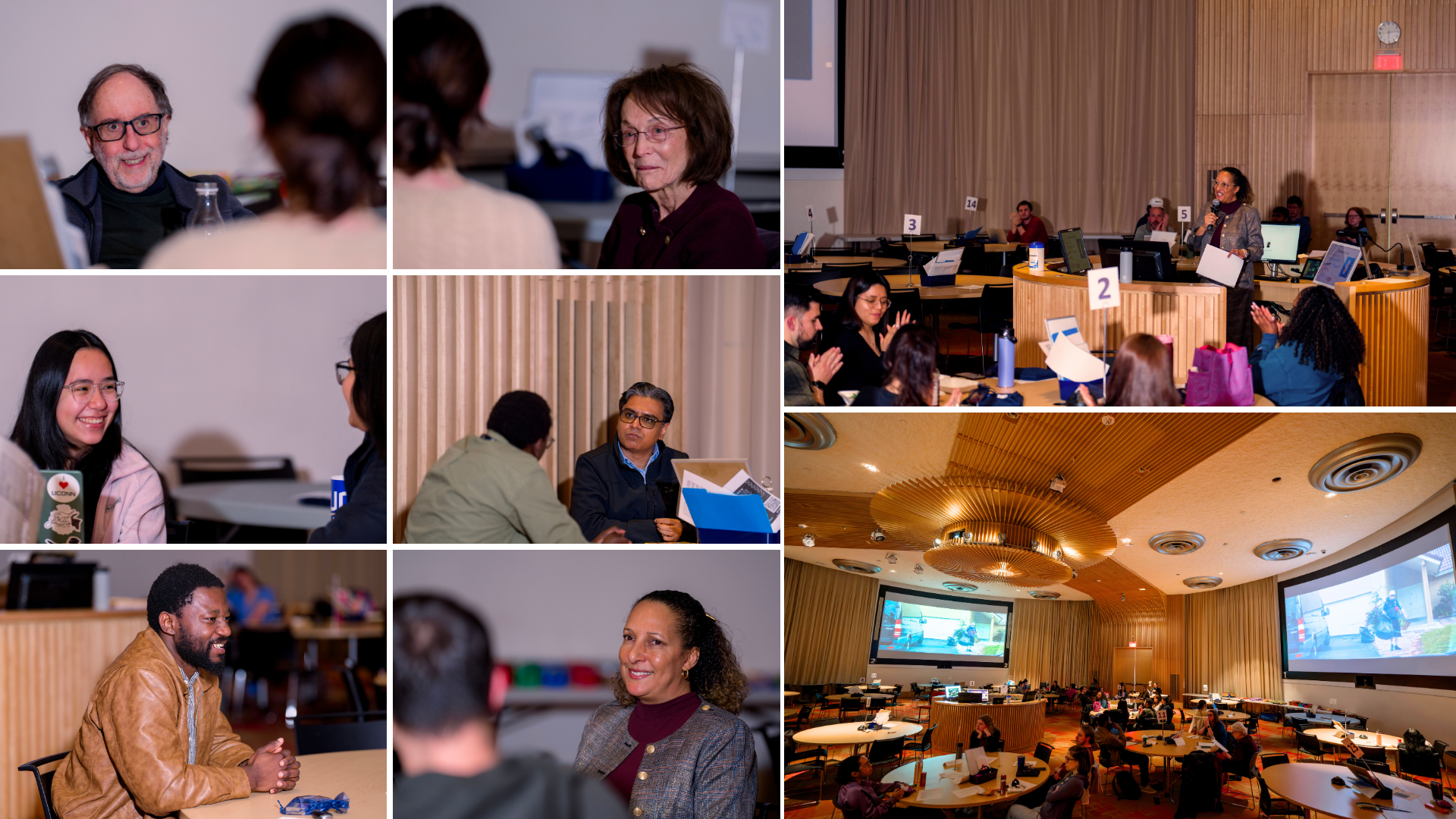
The evening began with a Student Advisory Session, providing MPH students the opportunity to meet with faculty advisors, reflect on their progress, and connect with peers. This dedicated advising time fostered mentorship and dialogue while reinforcing the importance of academic planning and professional growth within the program.
Students then watched a screening of SHUFFLE, a documentary that investigates fraud within the addiction treatment industry. Through personal accounts and reporting, the film examines how profit motives, weak oversight, and gaps in regulation can harm people seeking recovery. It also raises broader questions about ethics and responsibility in public health.
For many students, the film offered a challenging and eye‑opening perspective on the U.S. healthcare system. Student reflections noted how SHUFFLE highlighted the contradiction between high national healthcare spending and persistently poor health outcomes, particularly in the context of substance use disorder treatment. Several students shared that the documentary deepened their understanding of how predatory treatment networks operate and how structural gaps can cause significant harm to vulnerable populations.
A key highlight of the evening was the live discussion with the film’s producer, which allowed students to engage directly with the investigative process behind the documentary. Students appreciated the opportunity to ask questions, unpack real‑world implications, and explore how policy, regulation, and accountability intersect with public health practice. Many reflected that the conversation helped connect the film’s themes to coursework and professional responsibilities within applied public health.
Student feedback emphasized the value of pairing the screening with discussion. Participants described the session as thought‑provoking and informative, particularly in expanding their understanding of insurance systems, addiction treatment, and the ethical responsibilities of public health professionals. Several students noted that the experience reinforced the importance of advocacy, regulation, and systems‑level thinking in protecting communities and improving health outcomes.