Month: April 2026

From Classroom to Community: Public Health Nutrition Students Drive Local Impact in Hartford

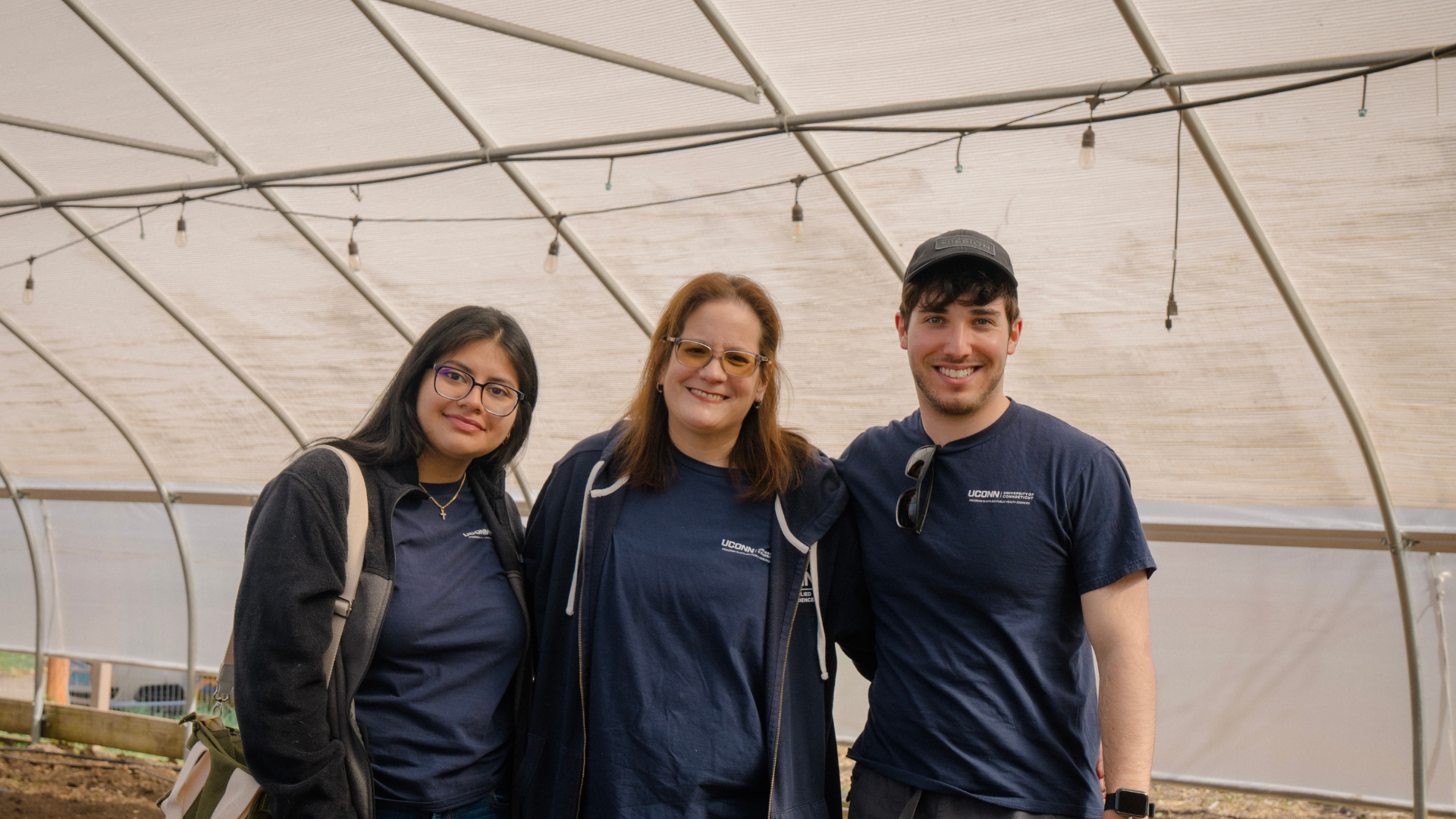
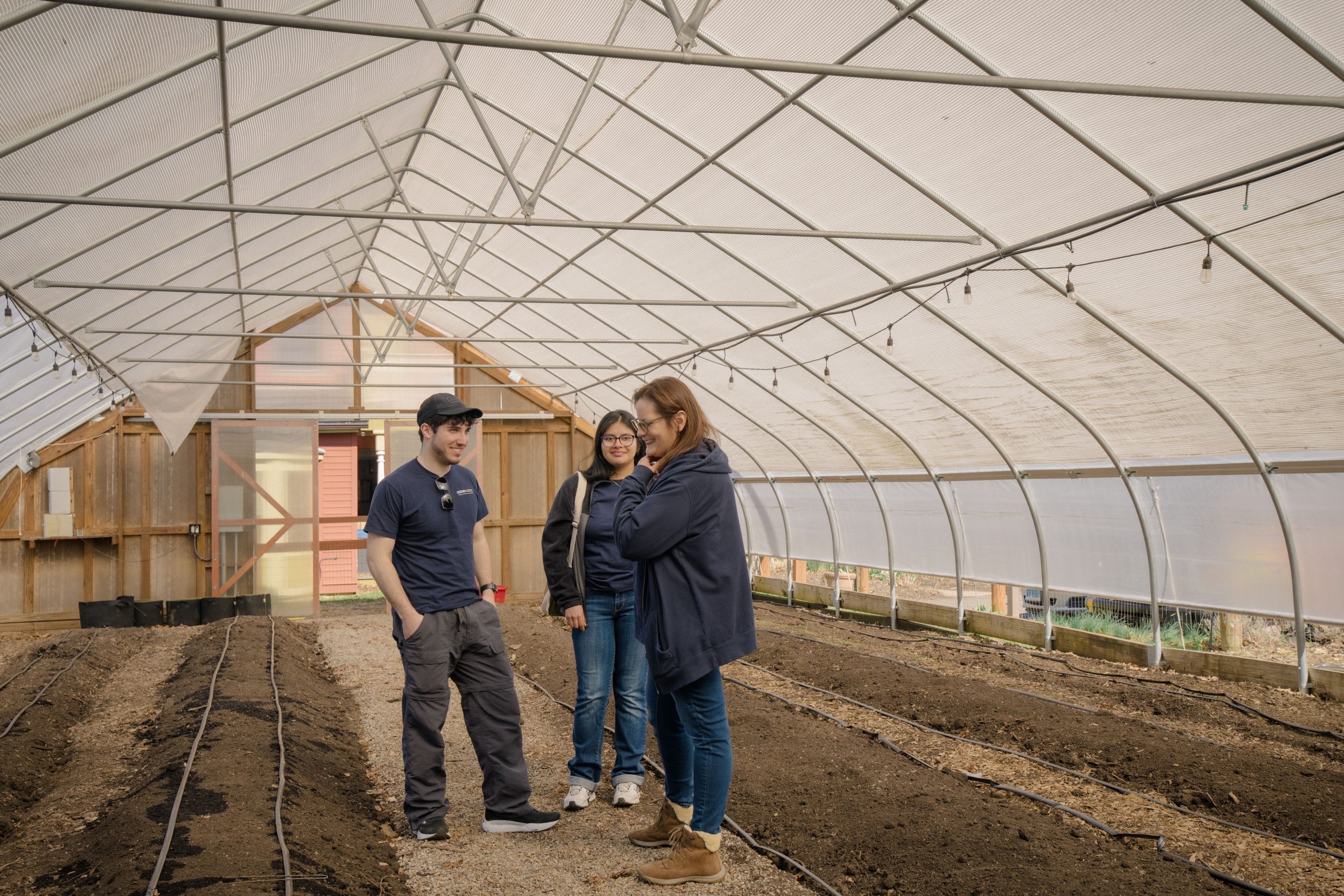
Public Health Nutrition students at UConn Health are gaining hands‑on, community‑centered experience thanks to Dr. Angela Bermúdez‑Milán’s innovative approach to teaching public health practice. Through a partnership with the Keney Park Sustainability Project and local health programs, students are applying classroom learning directly to real community needs.

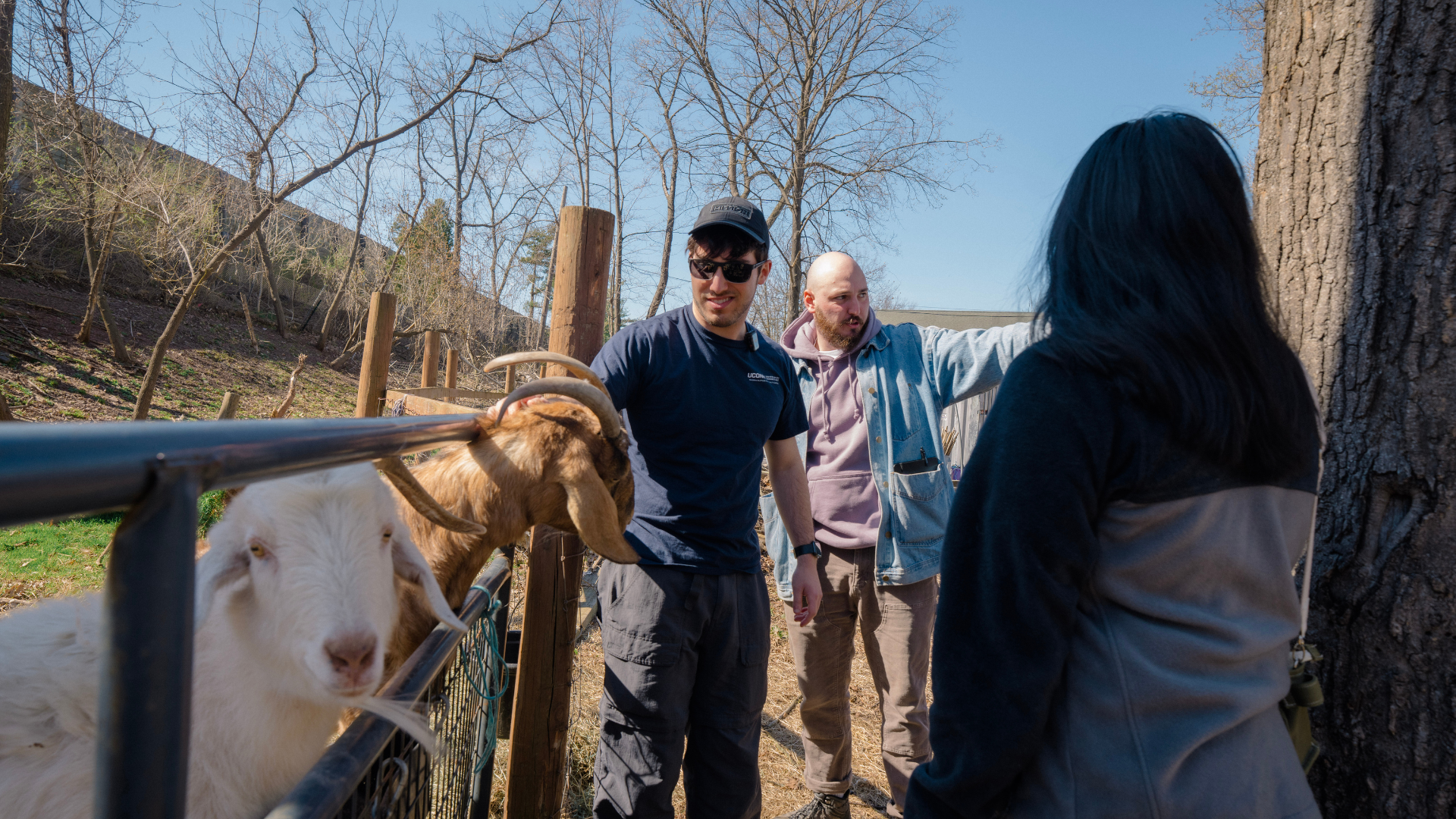
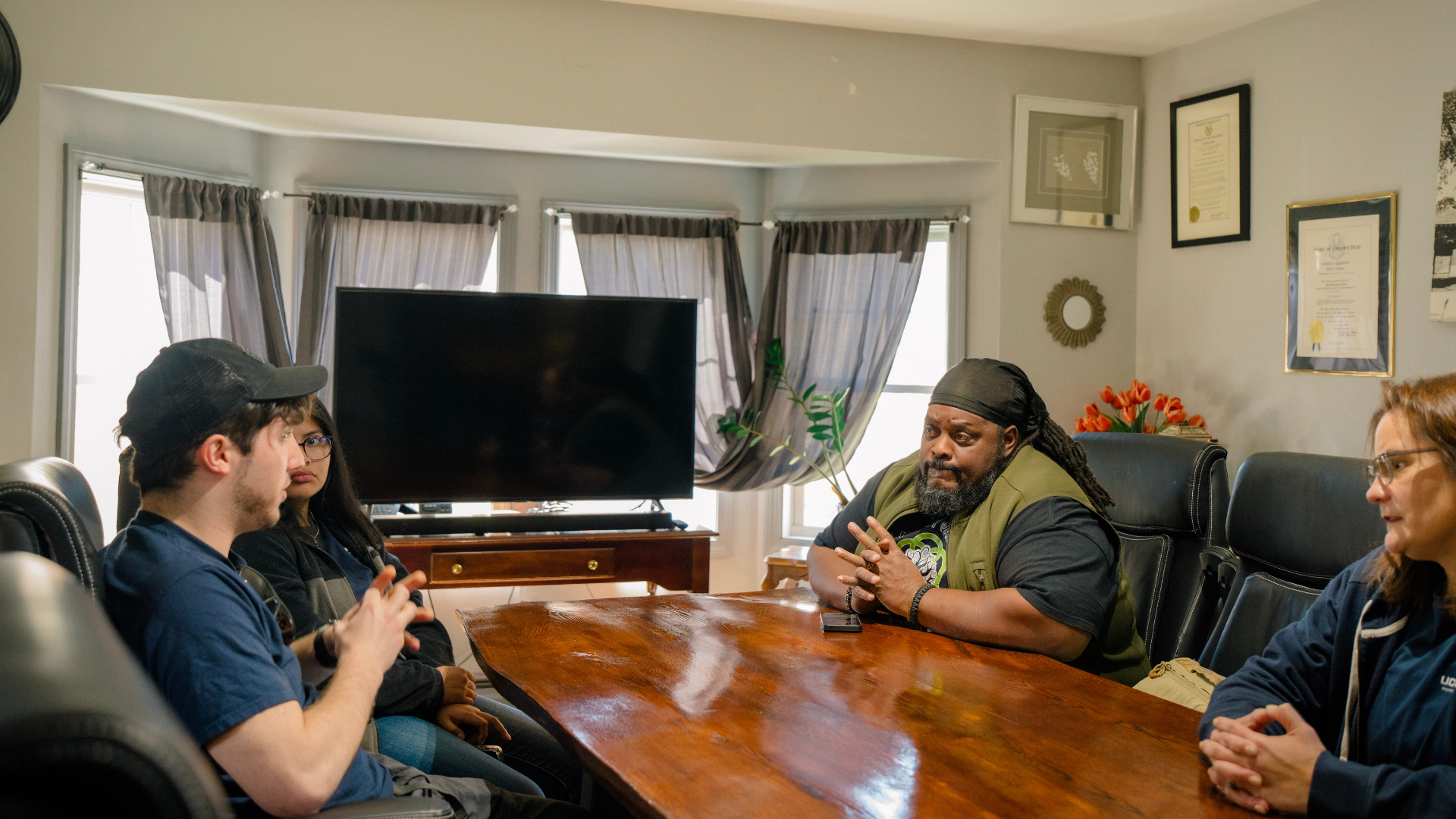
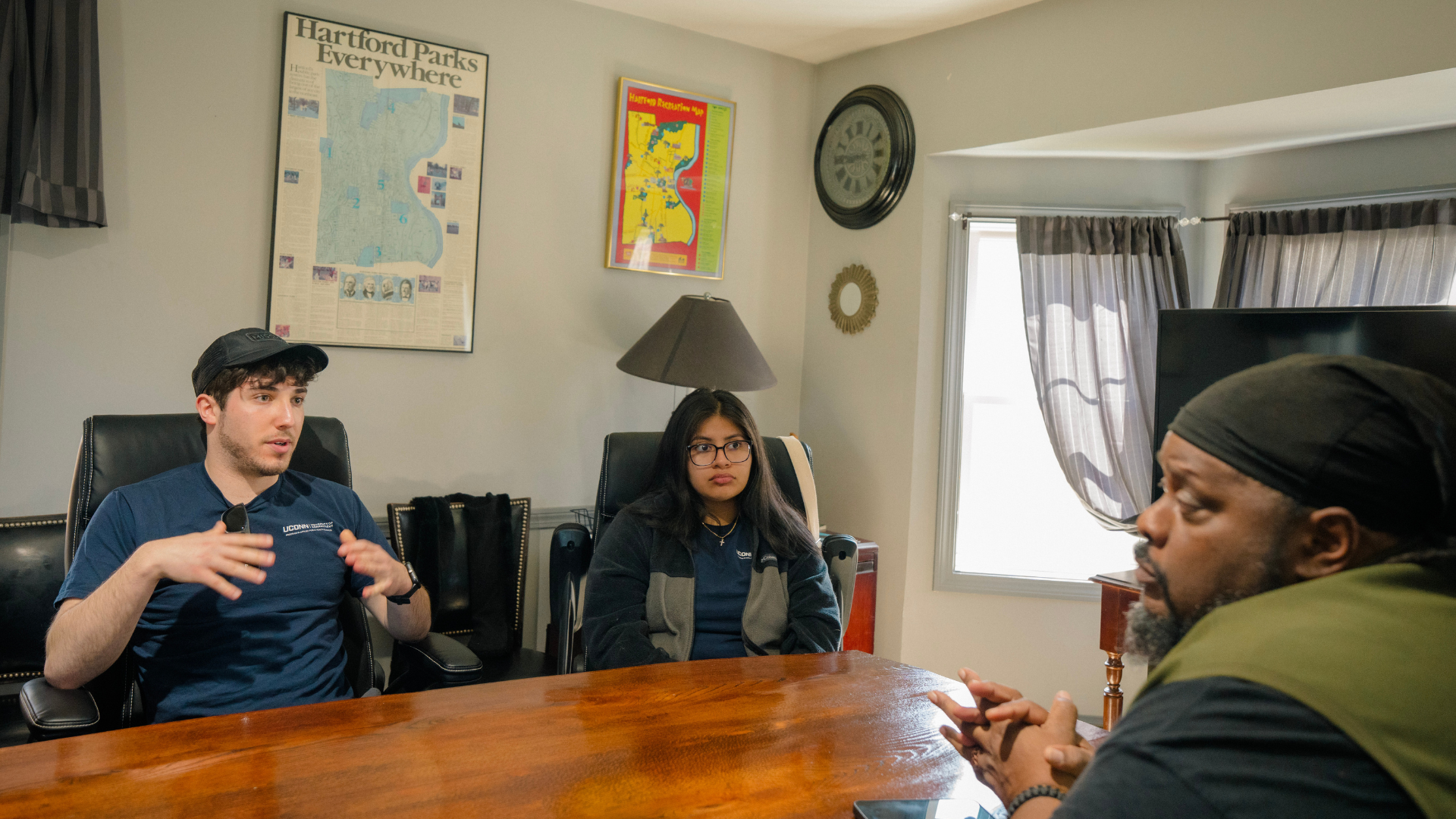
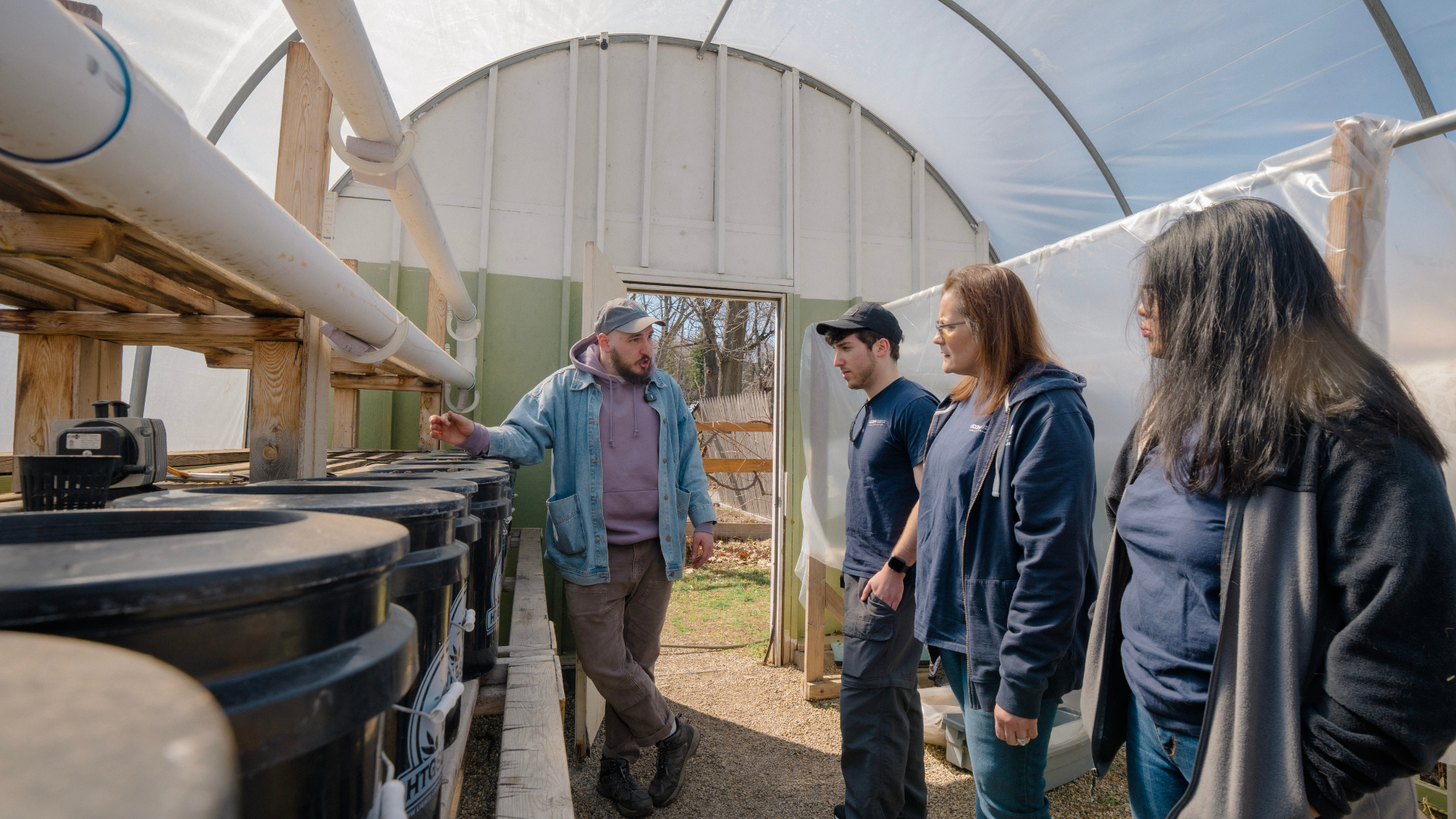
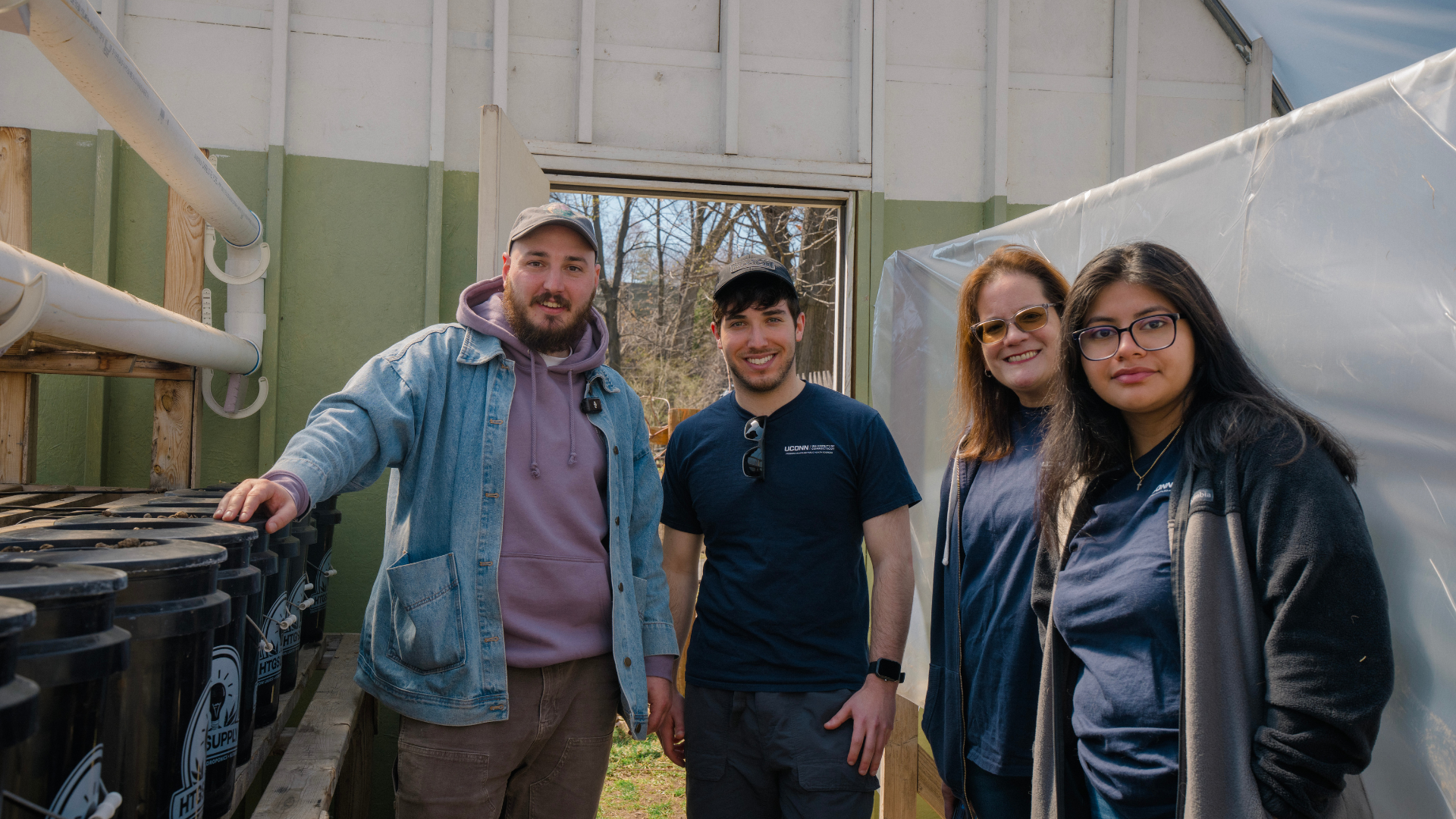
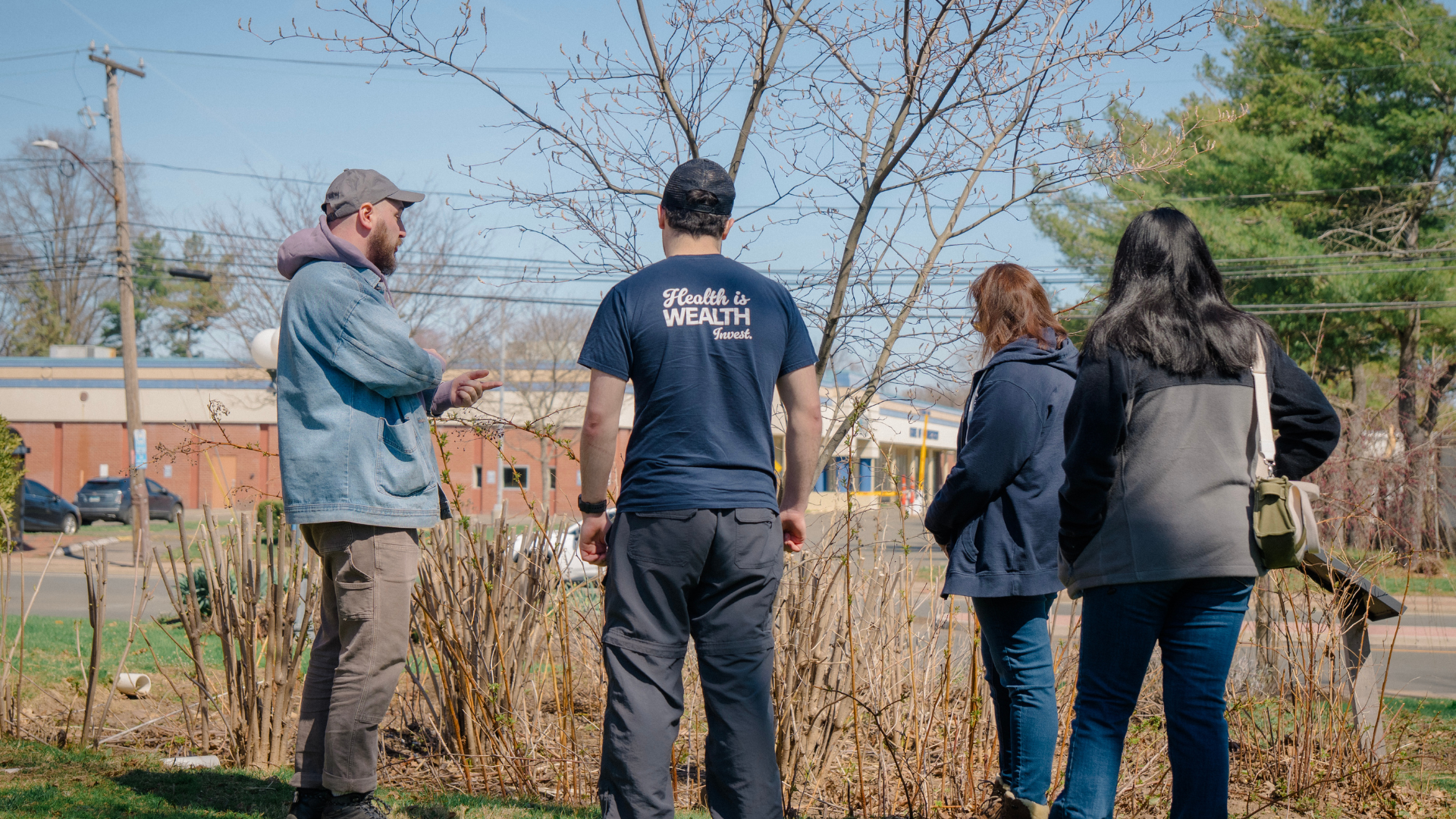
In her Public Health Nutrition course, Dr. Bermúdez‑Milán integrates public health practice, program evaluation, and community engagement. MPH students—including Lisbeth Moran and Michael Raizin—spent time at the Keney Park garden learning about hydroponics, urban farming, and the food hub program. Their work extended beyond observation: students collaborated with program leaders to evaluate existing recommendations from previous consultants and helped strategize how to put those recommendations into action.

During National Public Health Week, Dr. Bermúdez‑Milán also presented findings from a community‑based participatory pilot study conducted with the Hartford Women, Infants, and Children (WIC) program at Keney Sustainability Park. The study, Barriers to Farmers Market Voucher Redemption among Hartford WIC Participants, aims to strengthen WIC benefit use and inform future childhood obesity interventions. This work was supported through a collaboration between the UConn Health Department of Public Health Sciences and the ICR/Community Research Alliance (CRA), funded by the Health Net, Inc. Chair in the Department of Public Health Sciences.

The partnership continues to grow. Herb Virgo, Director of the Keney Park Sustainability Project, is exploring new ways to bring fresh produce and nutrition education directly to Hartford communities. Plans include cooking demonstrations using garden-grown vegetables and a repurposed mobile bus that will deliver fresh produce to neighborhoods with limited grocery access.
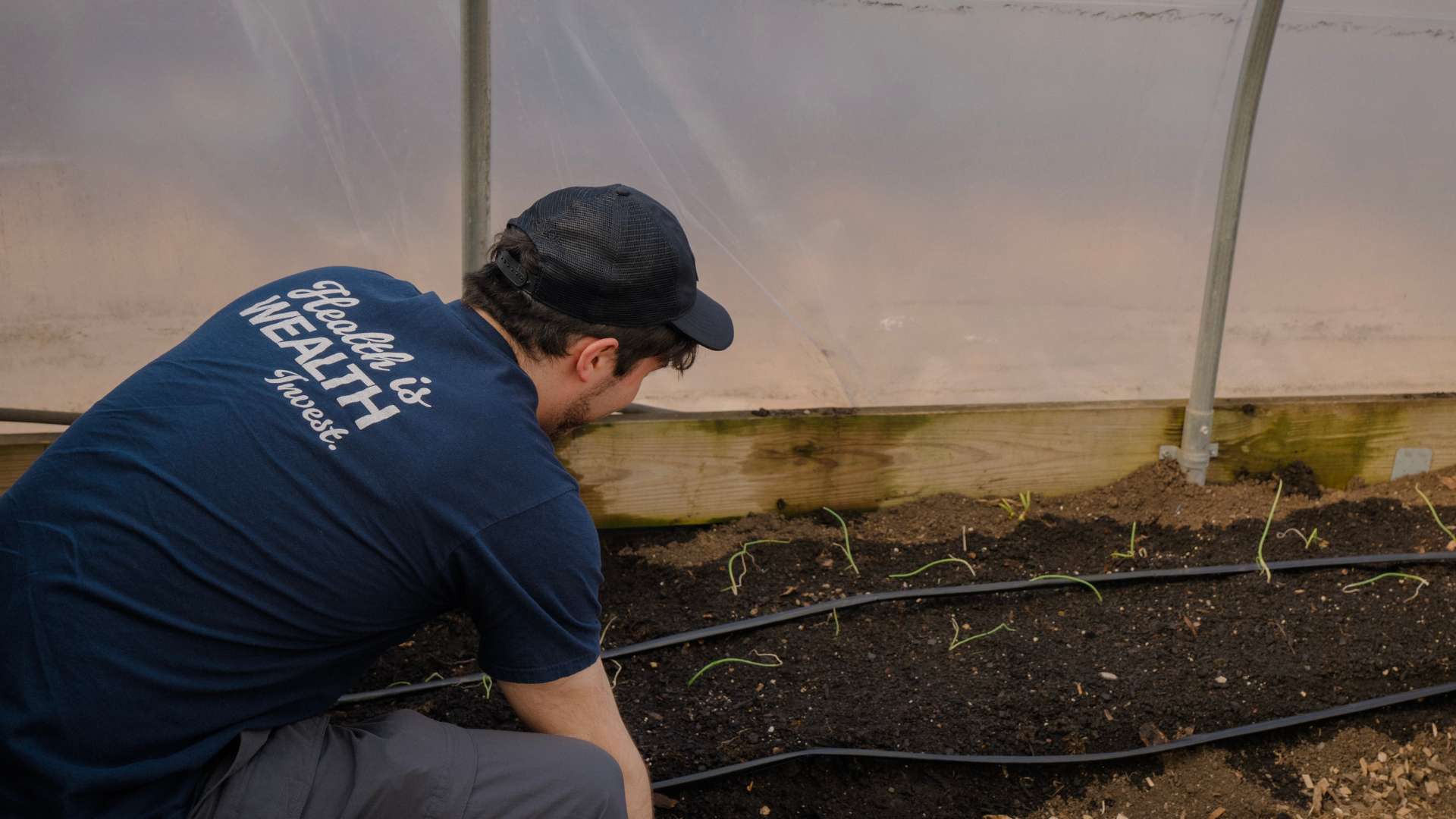
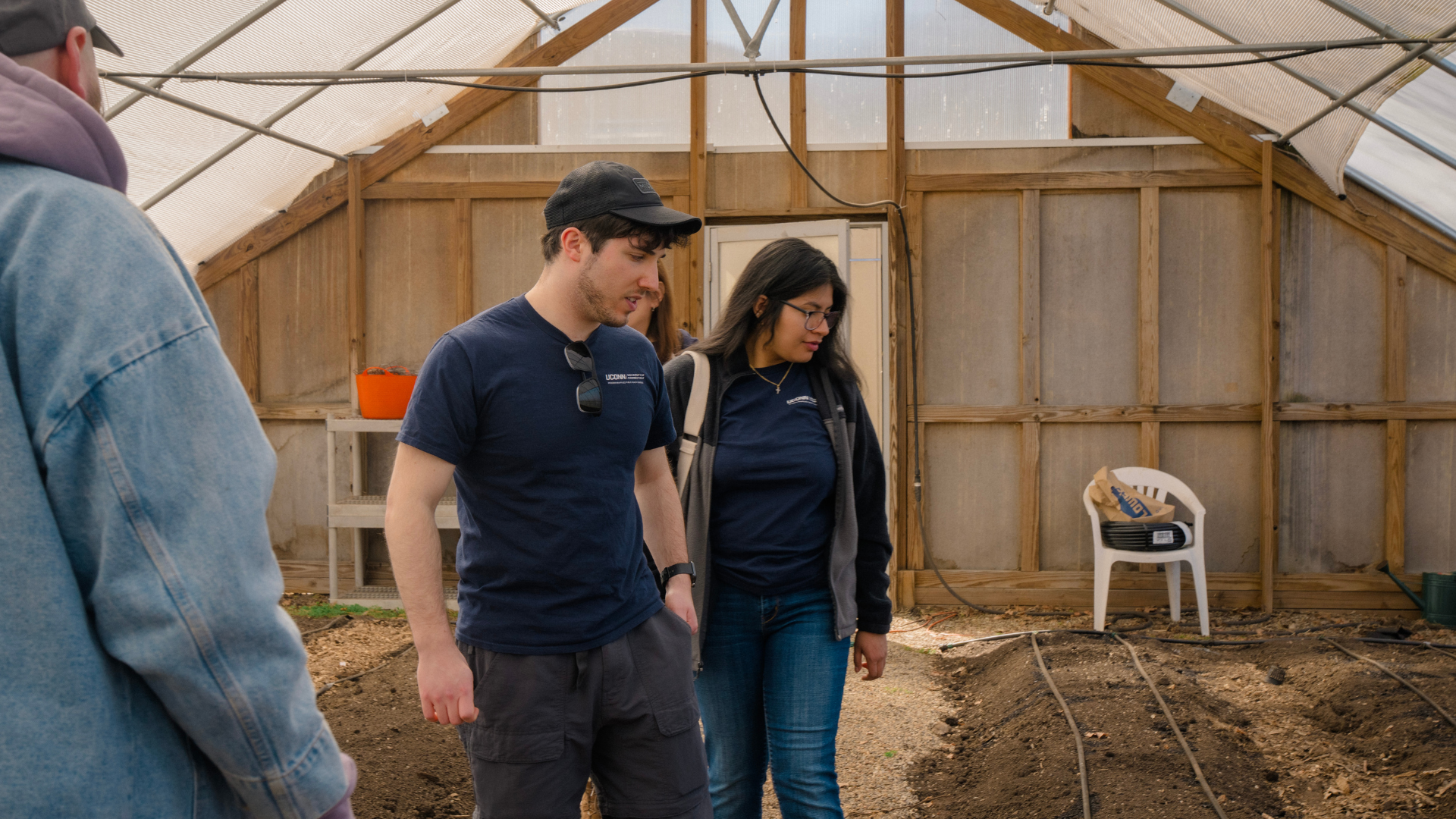
Students will play an active role in these initiatives, gaining first‑hand experience in collaborative public health practice, community engagement, and program implementation. This partnership exemplifies how applied learning can prepare future public health professionals to address real‑world challenges with creativity, cultural humility, and community partnership.

For more information, contact Dr. Angela Bermúdez‑Milán at bermudez-millan@uchc.edu.

To learn more about the Keney Park Sustainability Project, visit: https://keneyparksustainability.org/

12th Week- Spring 2026 – Wednesday Night Session

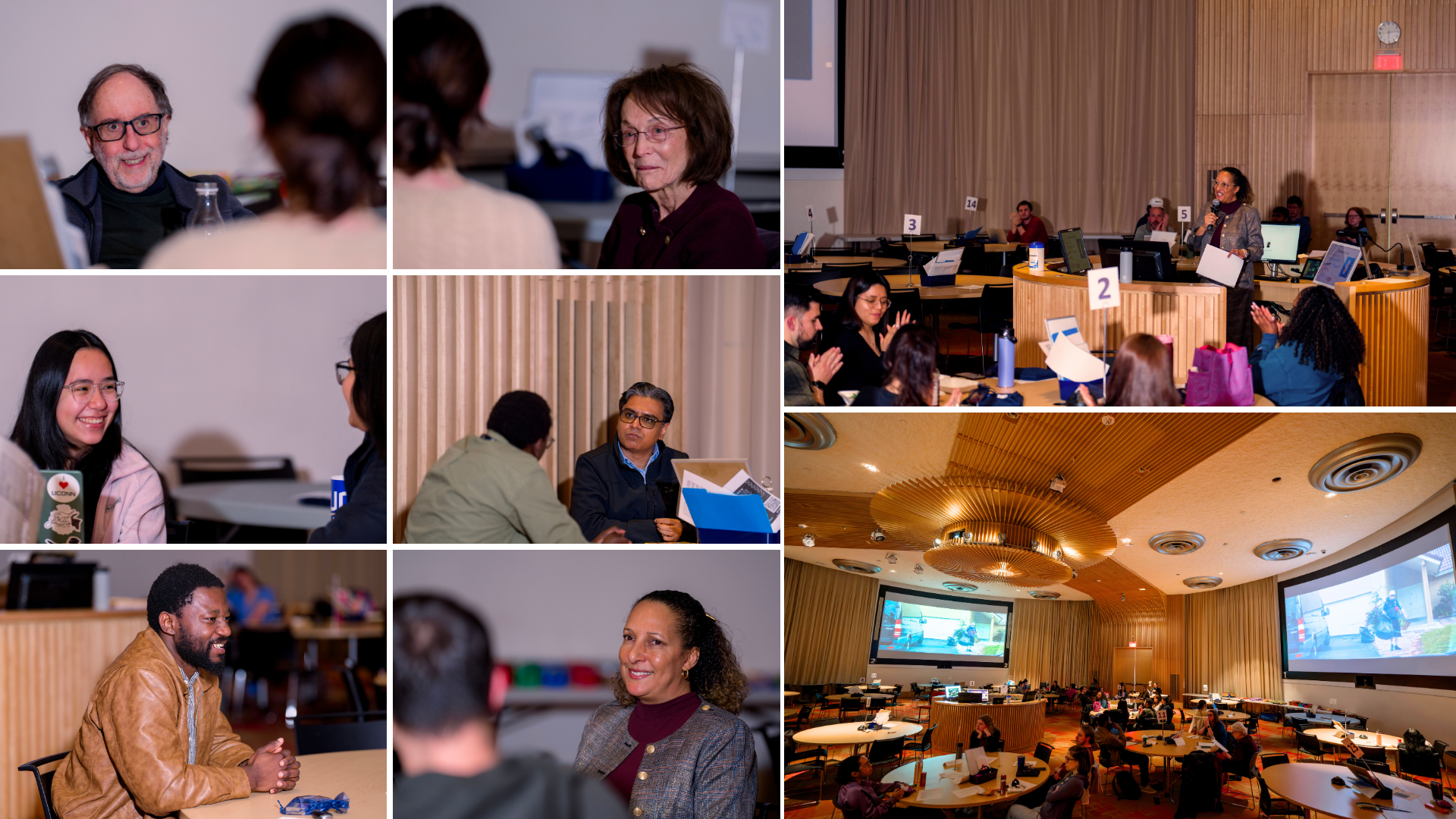
Stacey Brown speaking

As part of the Spring 2026 12th Week Enrichment series, and during National Public Health Week (April 6 to 12), MPH students gathered Wednesday evening for a program focused on reflection, learning, and accountability in health systems.

The evening began with a Student Advisory Session, providing MPH students the opportunity to meet with faculty advisors, reflect on their progress, and connect with peers. This dedicated advising time fostered mentorship and dialogue while reinforcing the importance of academic planning and professional growth within the program.

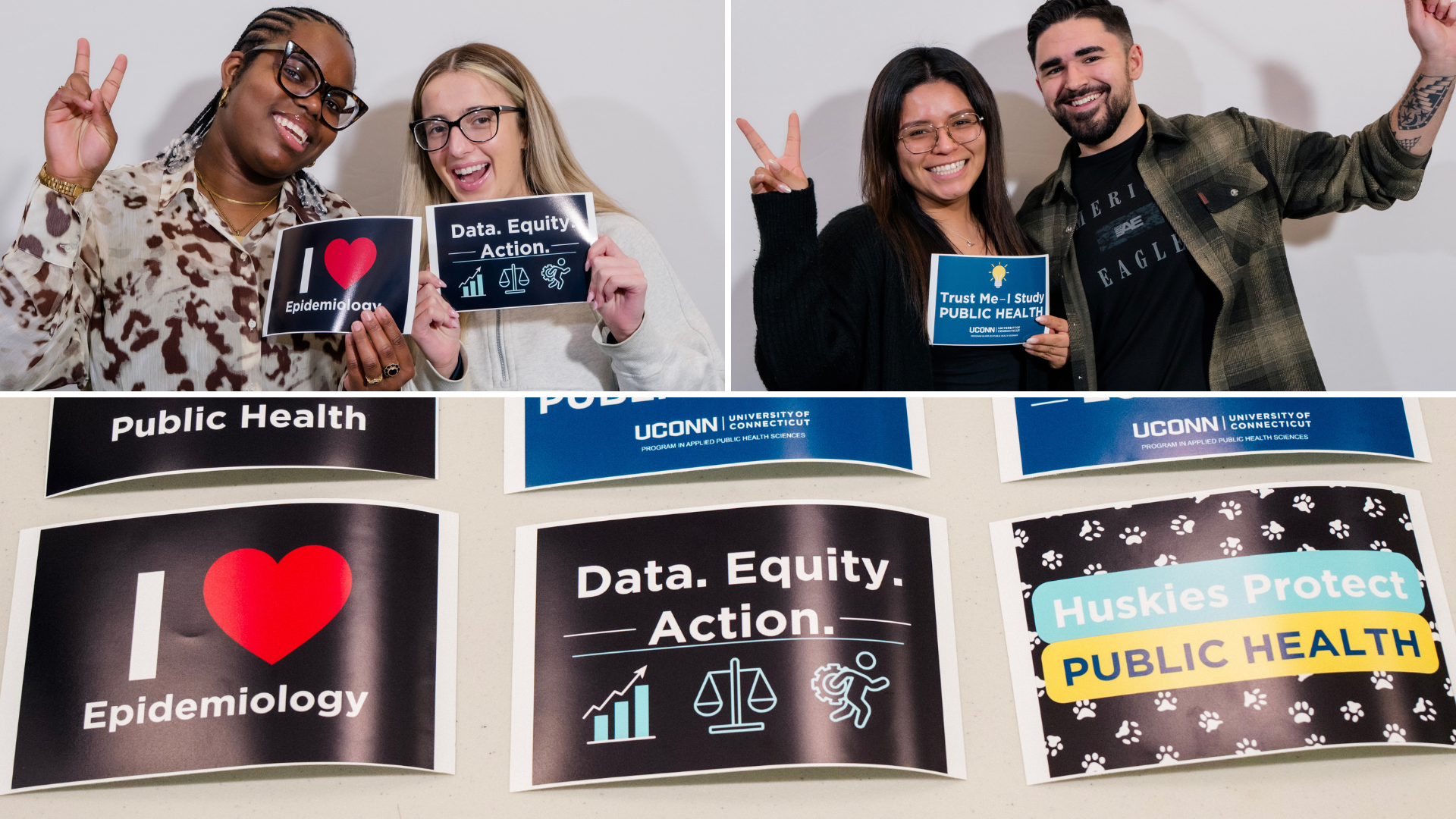
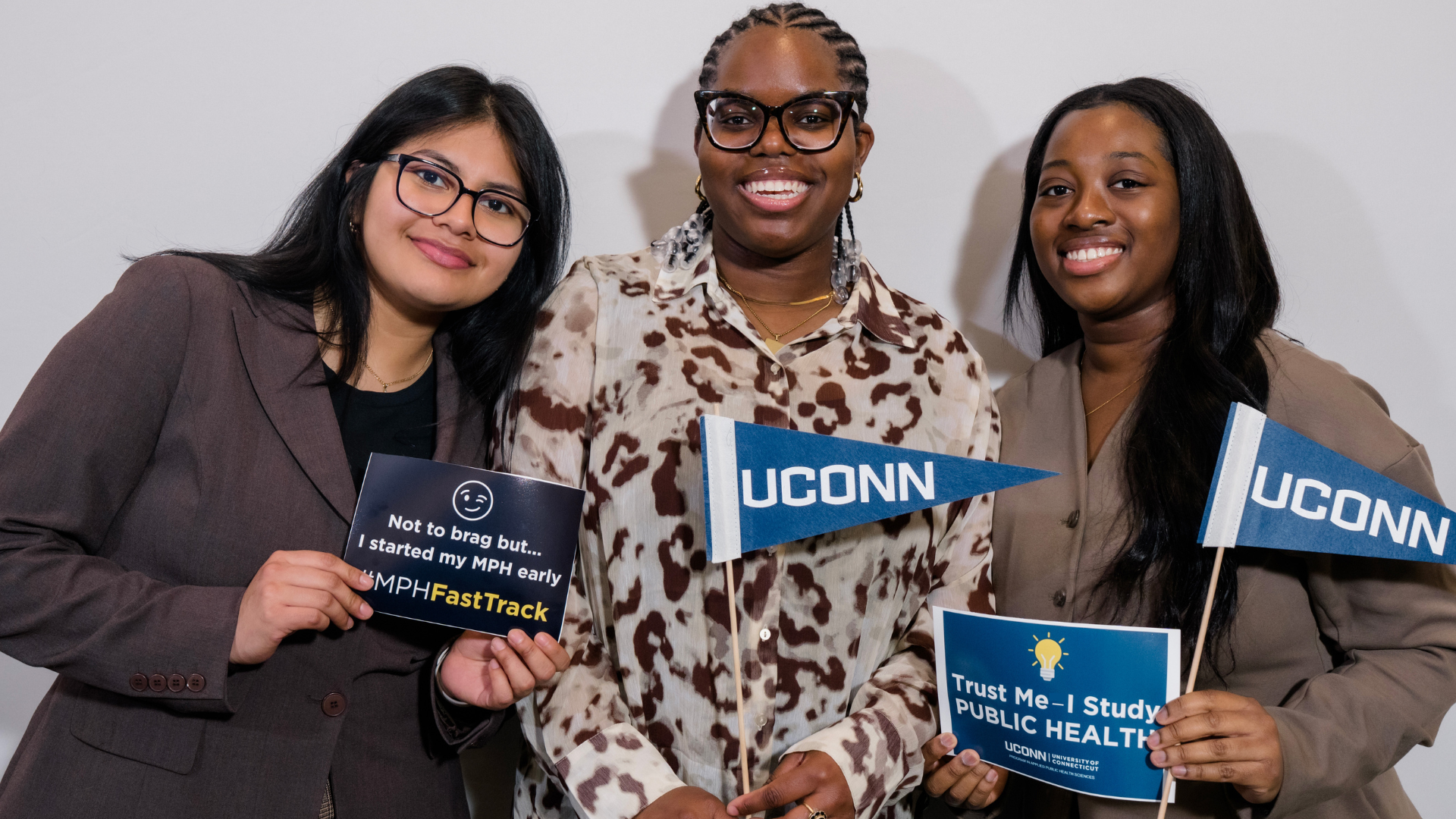
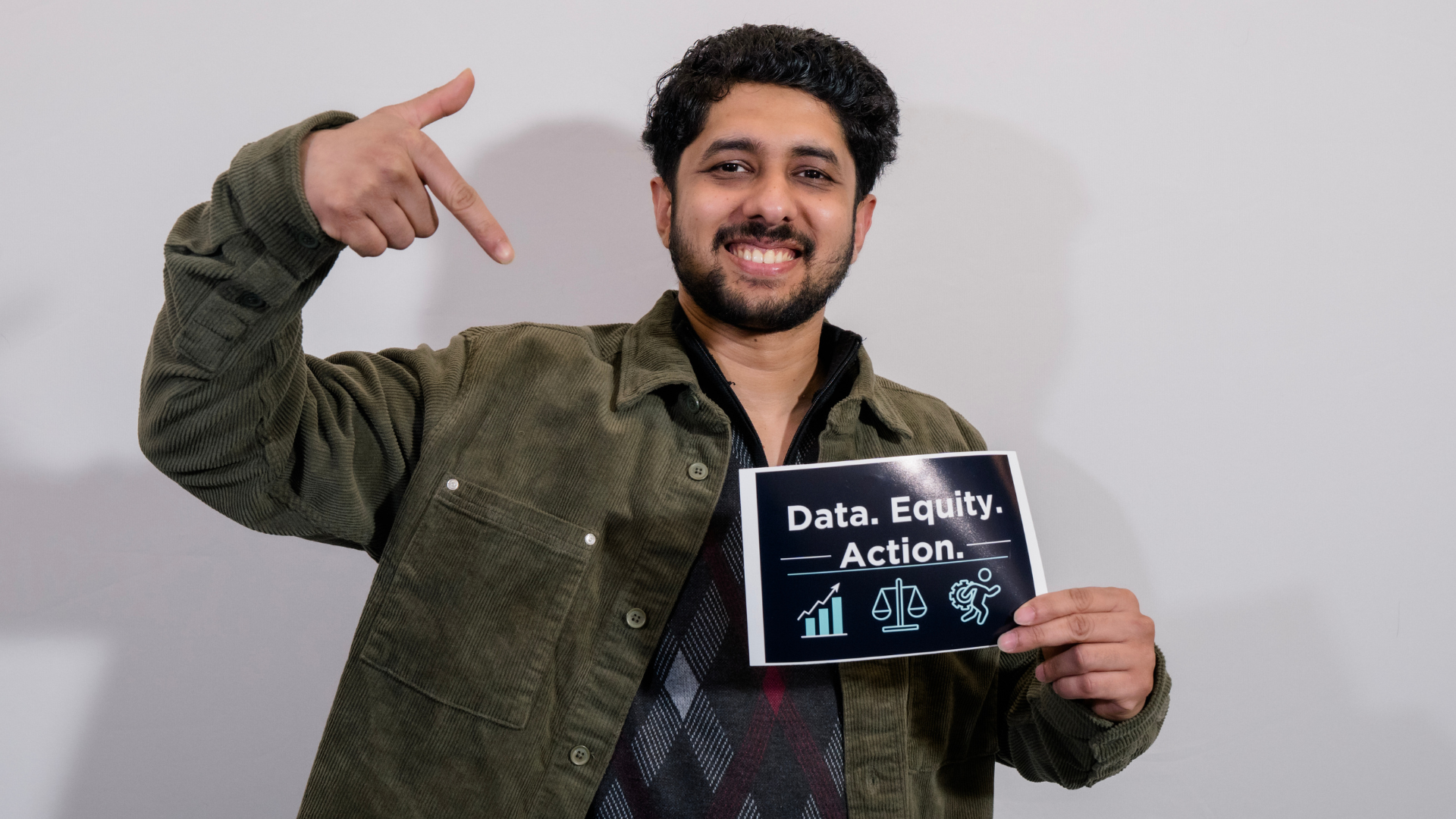
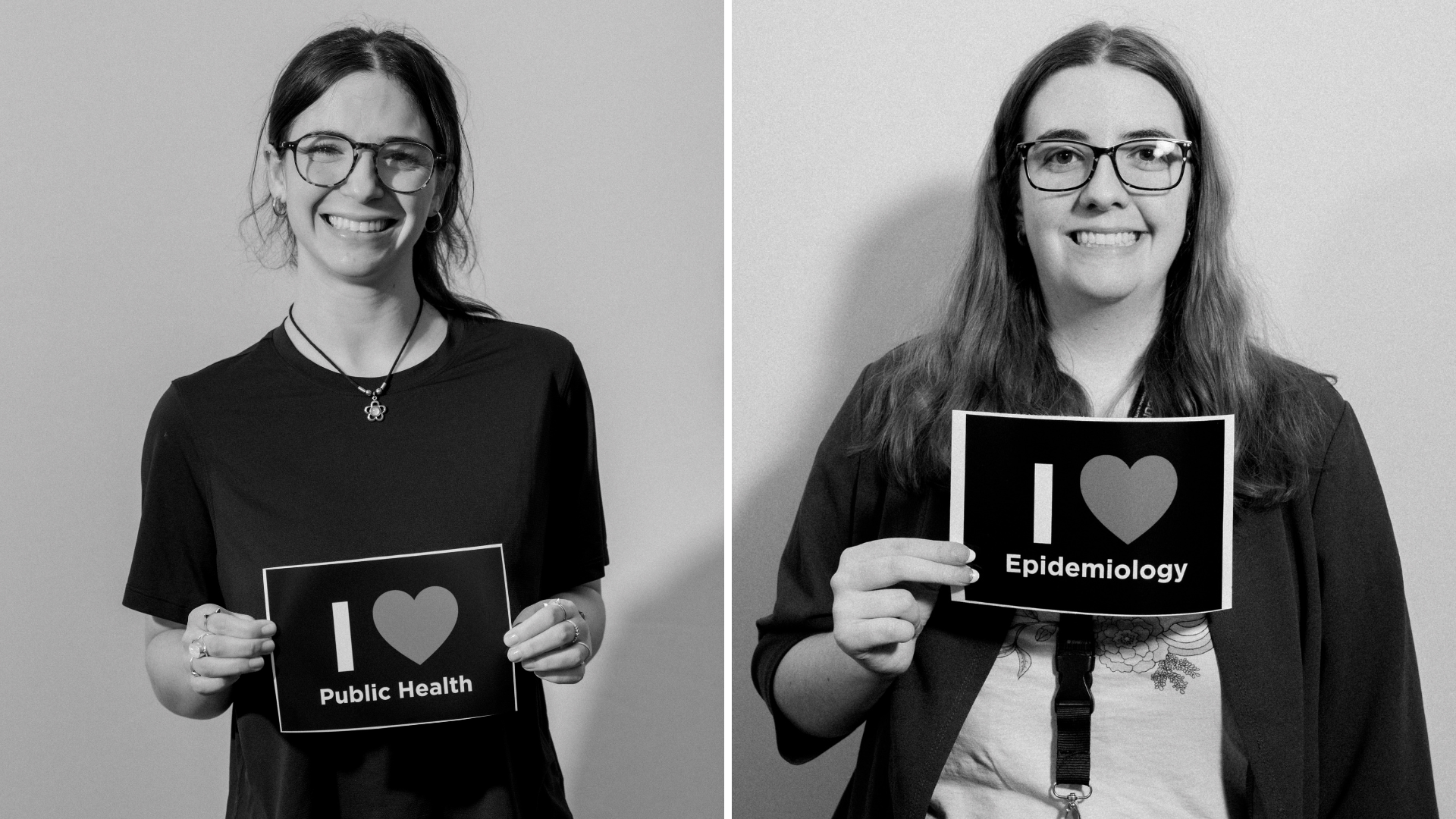
public health students holding signs

Students then watched a screening of SHUFFLE, a documentary that investigates fraud within the addiction treatment industry. Through personal accounts and reporting, the film examines how profit motives, weak oversight, and gaps in regulation can harm people seeking recovery. It also raises broader questions about ethics and responsibility in public health.

For many students, the film offered a challenging and eye‑opening perspective on the U.S. healthcare system. Student reflections noted how SHUFFLE highlighted the contradiction between high national healthcare spending and persistently poor health outcomes, particularly in the context of substance use disorder treatment. Several students shared that the documentary deepened their understanding of how predatory treatment networks operate and how structural gaps can cause significant harm to vulnerable populations.

A key highlight of the evening was the live discussion with the film’s producer, which allowed students to engage directly with the investigative process behind the documentary. Students appreciated the opportunity to ask questions, unpack real‑world implications, and explore how policy, regulation, and accountability intersect with public health practice. Many reflected that the conversation helped connect the film’s themes to coursework and professional responsibilities within applied public health.

Student feedback emphasized the value of pairing the screening with discussion. Participants described the session as thought‑provoking and informative, particularly in expanding their understanding of insurance systems, addiction treatment, and the ethical responsibilities of public health professionals. Several students noted that the experience reinforced the importance of advocacy, regulation, and systems‑level thinking in protecting communities and improving health outcomes.

The event reflected the goals of National Public Health Week by encouraging students to examine complex challenges through real-world examples. It also served as a reminder that public health leadership requires technical knowledge, ethical judgment, and a commitment to meaningful change.