In this video, Jini sits down with MPH student Tychique Wasolua. He discusses why research matters and how one paper could impact healthcare.
Author: Davis, Jini
Win a Back to School Kit – Social Media Campaign Giveaway
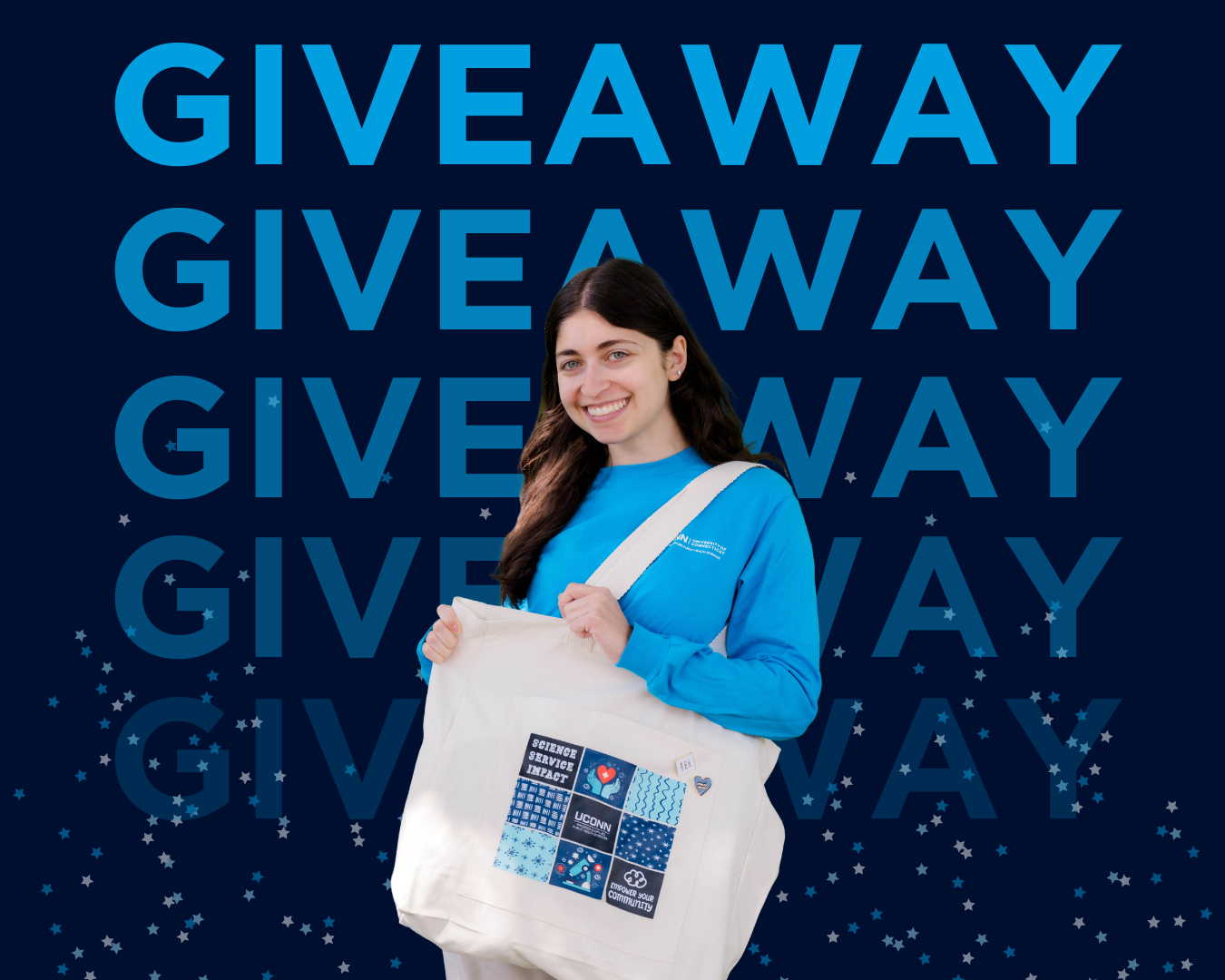
Over the next four weeks, the Department of Public Health Sciences is running a social media campaign called What Is in Your Health Professional Toolkit? Each week takes up one part of the question, and we are asking students to weigh in — not just to read along. If you are studying public health, allied health sciences, nursing, exercise science, nutrition, psychology, healthcare administration, or you are on a pre-med or pre-PA track, this is aimed at you.
How to follow along
Find us on Instagram, Facebook, and LinkedIn
The four weeks
Week 1 — Career Goals & Inspiration. Where do you want to end up, and what pointed you there? We will share paths that public health graduates actually take, including the ones that are not obvious from the outside.
Week 2 — Skills for Success. The practical layer: data literacy, writing, working across disciplines, communicating with communities rather than at them. What you can start building now, before you need it.
Week 3 — College & Professional Life. Coursework, research opportunities, internships, and the unglamorous logistics of getting from a class roster to a résumé.
Week 4 — Future Impact. The long view — what students want to change, and how a career in public health connects to that.
The giveaway
To make participating a little more worthwhile, one participant will win a Back-to-School Health Professional Toolkit — a mystery bag with UConn swag, study supplies, wellness items, professional development resources, and a few public health–themed surprises.
Entries are earned through the same engagement the campaign is about, and they stack. You can enter more than once:
| Action | Entries |
|---|---|
| React to a campaign post or vote in a story poll | 1 entry each |
| Leave a meaningful comment | 2 bonus entries |
| Share a campaign post, tag us and tag a friend | 3 bonus entries |
Official rules
- Open to U.S. residents who are at least 18 years old at the time of entry.
- UConn faculty and staff are not eligible to enter.
- No purchase necessary.
- The campaign period ends on August 31st. The winner will be selected at random from all eligible entries received during the campaign period and contacted by direct message on the platform where the entry was made.
- Void where prohibited by law.
- This promotion is not sponsored, endorsed, or administered by, or associated with, Instagram, Facebook, or LinkedIn.
6 Things No One Tells You About MPH Programs
If you’re considering a Master of Public Health (MPH), you’ve probably already looked at course lists, admissions requirements, and career options. But there are a few realities about MPH programs that aren’t always obvious when you’re researching schools.
Choosing the right program can shape your professional network, career opportunities, and overall graduate school experience. Before you submit your application, here are six things every prospective MPH student should know.
1. Accreditation Matters More Than You Think
Not all MPH programs are created equal. One of the first things you should look for is CEPH (Council on Education for Public Health) accreditation.
Why does this matter? CEPH accreditation ensures a program meets nationally recognized standards for public health education. It can affect eligibility for certain fellowships, certifications, employment opportunities, and doctoral programs.
Before committing to any program, take the time to confirm its accreditation status. It is one of the simplest ways to ensure your degree carries credibility and value after graduation.
2. Research Opportunities Can Open Unexpected Doors
Many students associate research with laboratory science or PhD programs, but research plays an important role in public health education as well.
Getting involved in research early can help you:
- Work alongside experienced faculty mentors
- Build skills in data analysis and scientific writing
- Present at conferences
- Contribute to publications
- Explore future doctoral study opportunities
Even if you’re not planning to pursue a PhD, research experience can strengthen your resume and help you stand out in a competitive job market.
3. Graduate School Is Not Undergraduate School
One of the biggest surprises for new MPH students is how different graduate education feels from undergraduate coursework.
Success in an MPH program requires more than attending classes and completing assignments. Graduate students are expected to think critically, collaborate with peers, engage with current public health challenges, and apply concepts to real-world scenarios.
Many MPH programs include a practicum and capstone experience, giving students opportunities to move beyond theory and gain practical professional experience before graduation.
4. Real Learning Happens Outside the Classroom
Public health is a field built around communities, organizations, and people. That means some of the most valuable learning experiences happen beyond lectures and textbooks.
Volunteering, internships, fieldwork, and community engagement activities can help students:
- Apply classroom knowledge
- Build professional connections
- Explore career interests
- Develop practical skills employers seek
The more hands-on experience you gain during your MPH program, the better prepared you’ll be to enter the workforce.
5. Public Health Is Broader Than Most People Realize
Many prospective students begin their MPH journey with a specific interest area in mind. However, public health is inherently interdisciplinary.
Public health professionals work across:
- Healthcare systems
- Government agencies
- Nonprofit organizations
- Community programs
- Environmental health initiatives
- Health policy and advocacy
- Research and academia
Being open to different areas of public health can expand your career possibilities and help you discover new interests along the way.
6. Your Degree Should Reflect Your Career Goals
An MPH is not a one-size-fits-all degree.
The electives you choose, the practicum opportunities you pursue, and the projects you take on can significantly influence your future career path. Whether your interests are in epidemiology, health promotion, policy, research, program management, or healthcare leadership, your academic choices help shape your professional niche.
The most successful MPH students are often those who intentionally tailor their education to align with their long-term goals.
The Bottom Line
Pursuing an MPH is about more than earning a graduate degree. It is an opportunity to develop practical skills, gain real-world experience, build professional networks, and discover where you can make the greatest impact in public health.
As you explore programs, look beyond rankings and brochures. Consider accreditation, experiential learning opportunities, research involvement, mentorship, and the flexibility to customize your educational experience.
Because when it comes to public health education, not all MPH programs are built the same.
Thinking about earning your MPH? Apply here
New Accelerated MPH Program for UConn Waterbury Students
UConn’s Program in Applied Public Health Sciences is excited to introduce a new Accelerated Master of Public Health (MPH) program, designed specifically for UConn Waterbury undergraduate students looking to fast-track their path into public health.
This innovative program gives qualified students the opportunity to begin graduate-level coursework while still completing their bachelor’s degree—saving time, reducing costs, and helping students enter the workforce sooner.
What Is the Accelerated MPH?
The Accelerated MPH allows eligible undergraduate students to complete a portion of their MPH coursework before graduating with their bachelor’s degree. By getting an early start, students can seamlessly transition into the full MPH program and complete their graduate degree at a faster pace.
Why Consider the Accelerated MPH?
This program is designed with flexibility, efficiency, and impact in mind:
- Start early: Take up to four graduate-level MPH courses as an undergraduate
- Finish faster: Earn your MPH in as little as one year instead of two
- Save money: Reduce overall tuition costs by up to $20,000
- Stay connected: Continue your education within the UConn community
Program Details
Students accepted into the program will begin coursework in Fall 2026, including:
- PUBH 5408: Introduction to Epidemiology & Biostatistics I
Tuesdays, 5:30 PM – 8:30 PM
All classes are held at UConn Health in Farmington, with transportation provided for UConn Waterbury students—making the transition to graduate coursework accessible and convenient.
Important Dates
Students interested in the Accelerated MPH should plan ahead to meet key deadlines:
- Application Deadline: Wednesday, July 29
- Reply to Offer Deadline: Friday, July 31
Take the Next Step
If you are a UConn Waterbury student interested in building a career in public health, this program is a unique opportunity to get ahead.
Apply to the Accelerated MPH Program
For questions or more information, contact:
📧 jamie.caruso@uconn.edu
Inspiring the Next Generation: MPH Alumni host mentoring event for CT high schools
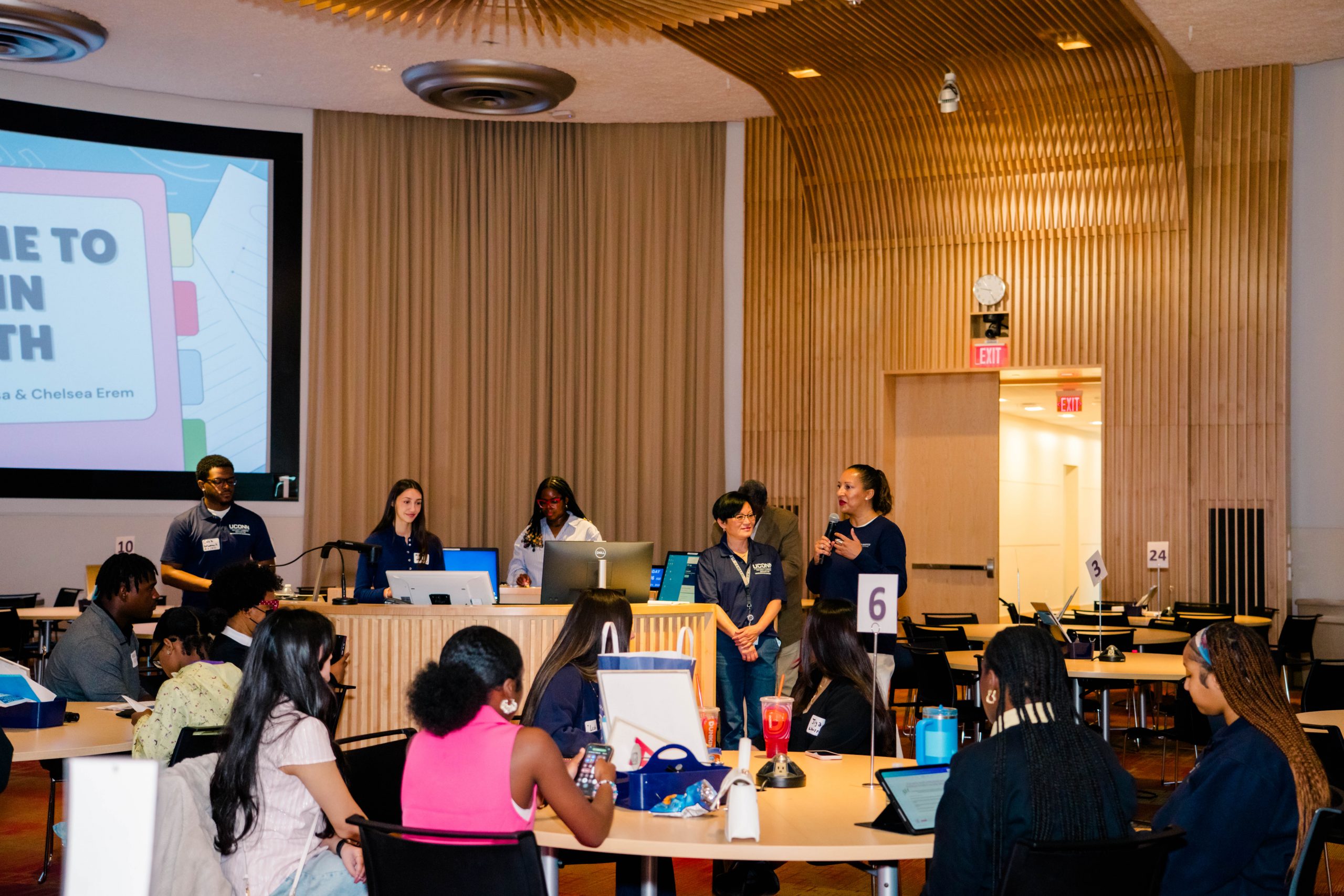
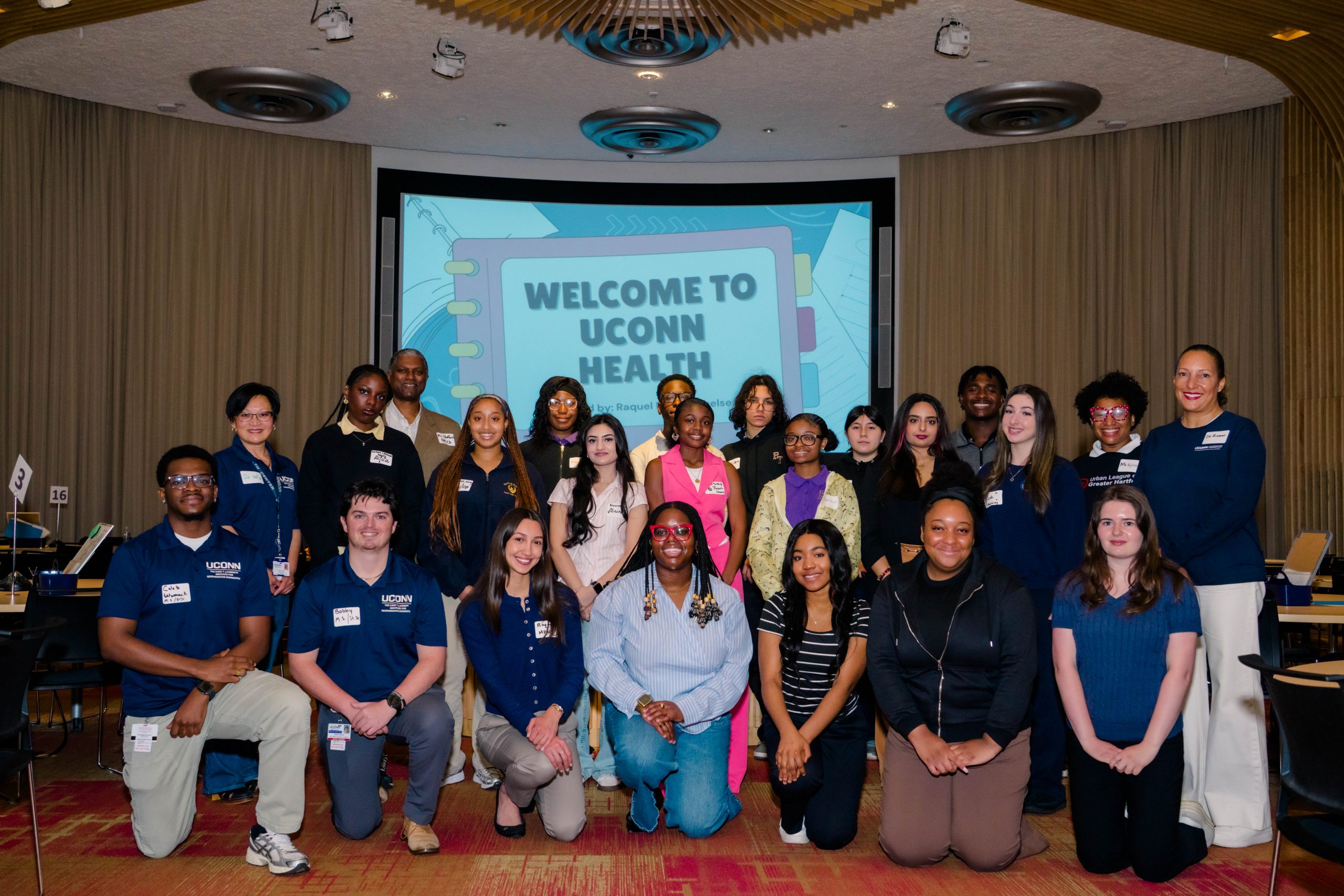
UConn Health recently welcomed high school students from across Hartford for a dynamic and inspiring on-campus experience, marking the conclusion of a 10-week mentorship program under the Cato T. Laurencin Mentoring Programs.
The program paired UConn Health (UCH) students with students from Hartford Magnet Trinity College Academy (HMTCA), creating opportunities for mentorship, academic support, and exposure to careers in health and research. The final event, held from 9:00 a.m. to 12:30 p.m., celebrated the dedication and achievements of both mentors and mentees.
Adding to the significance of the day, MPH alumni Raquel Rosa and Chelsea Erem were in attendance, representing the continued impact of UConn’s public health training and the importance of giving back to the community.
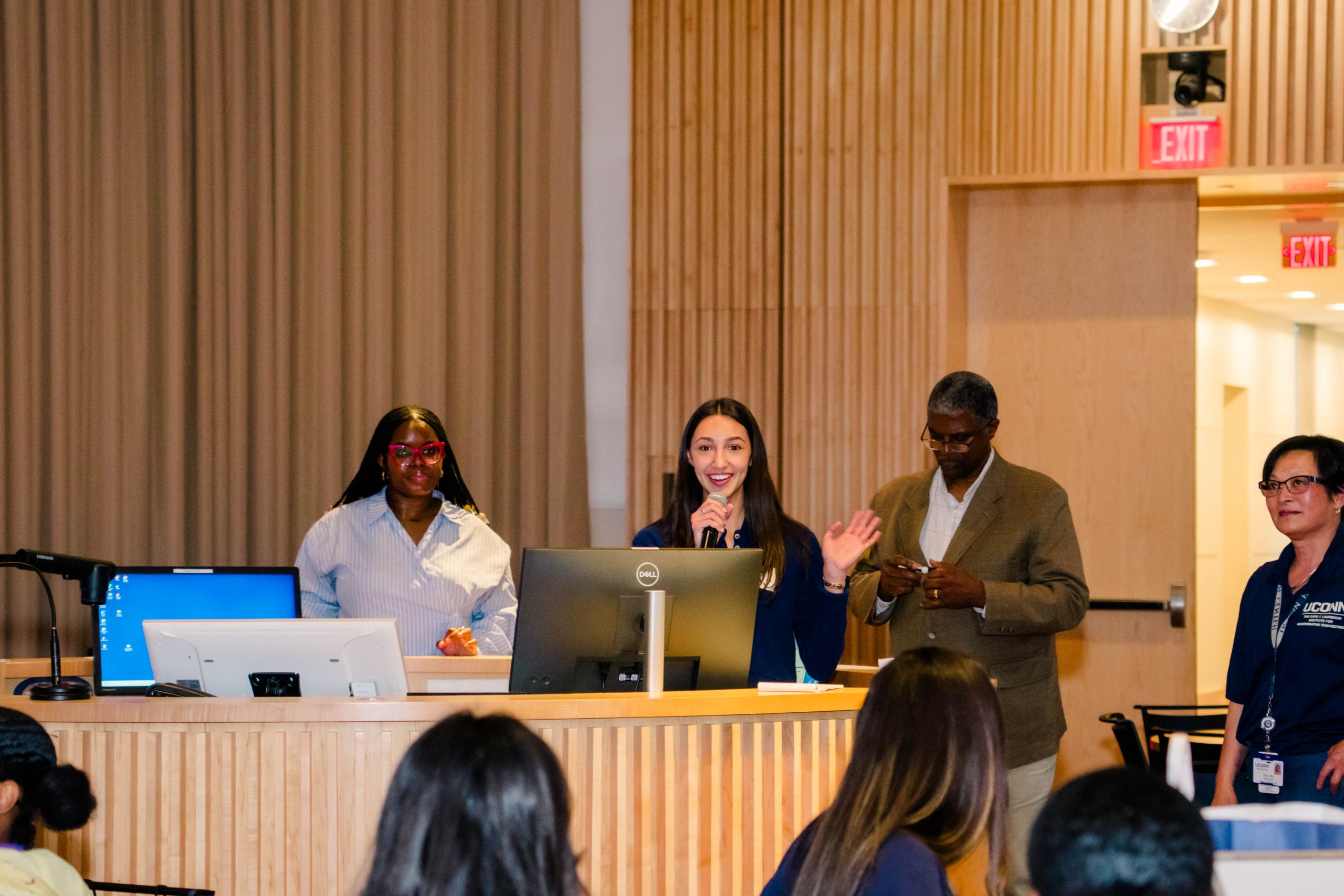
In addition to HMTCA participants, the event also welcomed approximately a dozen students from Princeton Technical High School, expanding the program’s reach and impact within the Hartford community.
Throughout the morning, students engaged in a variety of interactive and educational activities across campus. The program included:
- A guided tour of UConn Health facilities
- Research presentations delivered by both students and faculty
- A hands-on experience in the simulation lab
- Opportunities to connect directly with current UCH students
These experiences provided students with a firsthand look at academic pathways and careers in public health, medicine, and health sciences—helping to spark curiosity and build confidence in their future goals.
Hands-On Public Health: UConn MPH Volunteers Support Gather55’s Community Mission

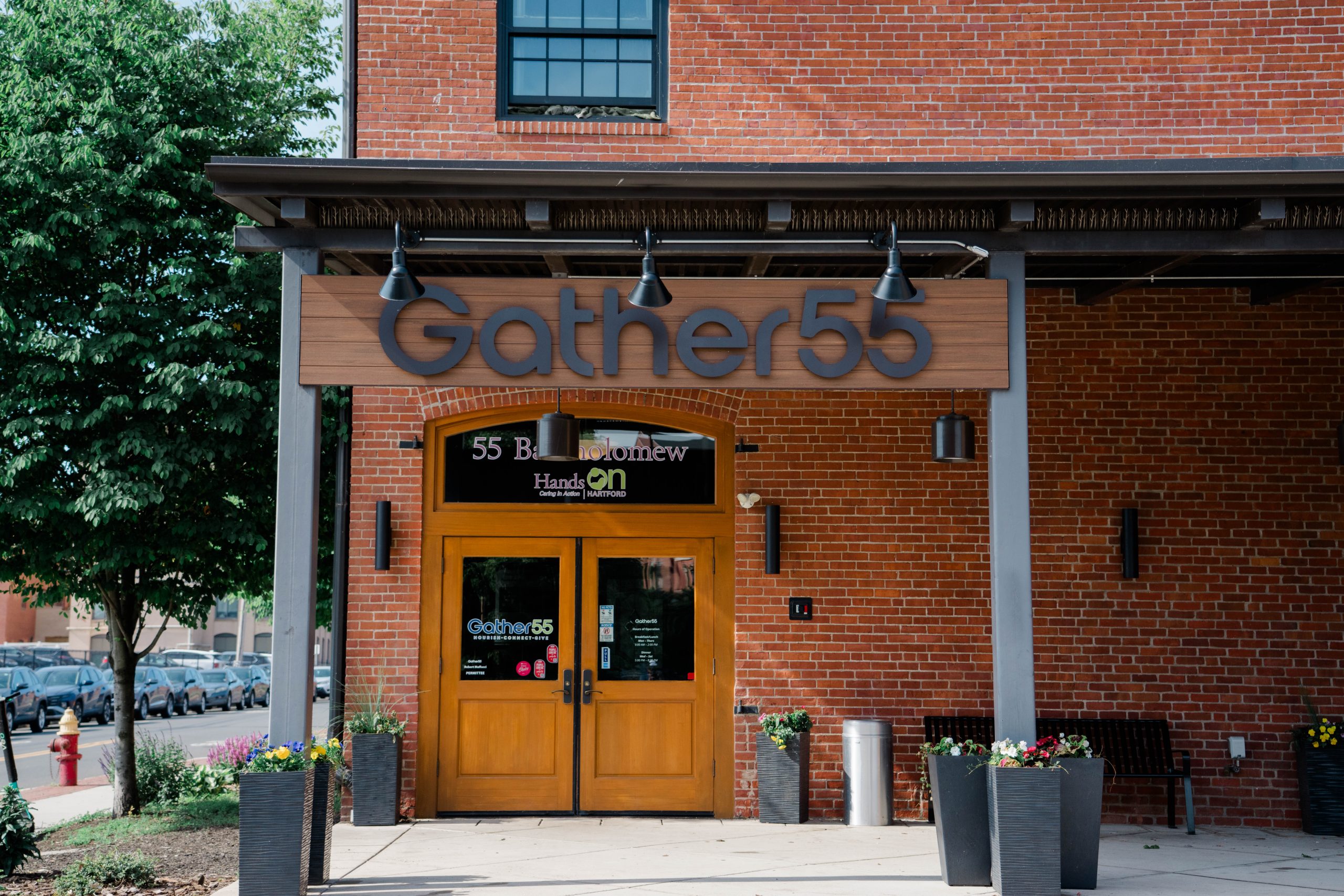
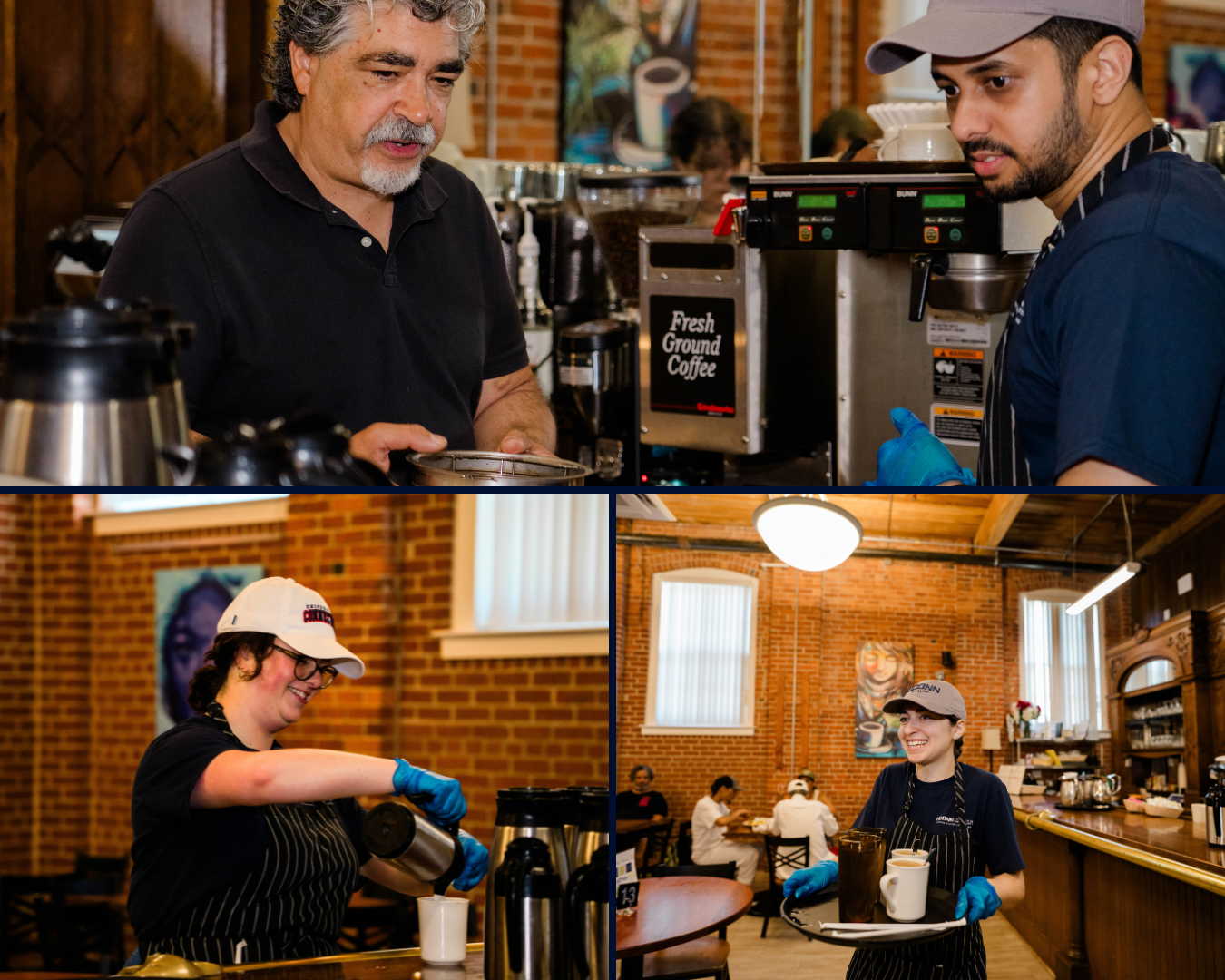
This week, members of our administrative team and graduate assistants took part in a hands-on volunteer experience at Gather55, a Hartford-based restaurant with a mission rooted in community and dignity. Powered by Hands On Hartford, Gather55 is more than a dining space—it’s a community-centered initiative designed to connect people through food while addressing food insecurity.
During their time on-site, our team supported day-to-day operations by working in the kitchen, cleaning, and serving meals and beverages to guests. These tasks, while simple on the surface, represent something much larger: the core of public health practice. Public health is not confined to research or policy—it is deeply embedded in community action, service, and partnerships that meet people’s needs in real-time.
Experiences like this bring our program’s mission and values to life. The UConn MPH program emphasizes preparing students to address complex health challenges through education, mentorship, and meaningful community engagement. Central to this mission is the importance of fostering equitable partnerships and promoting wellness as a fundamental right for all—principles that were reflected throughout the day at Gather55.
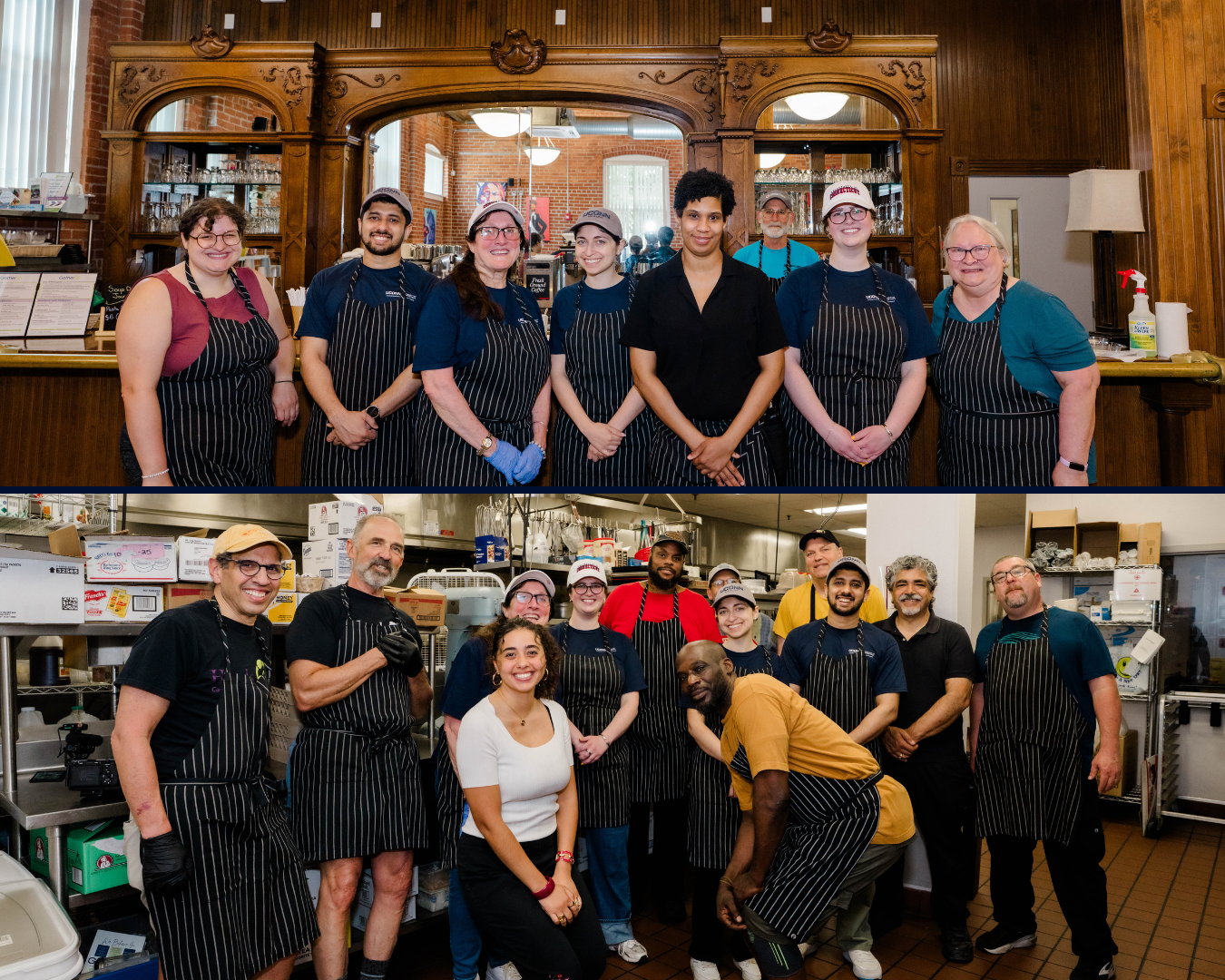
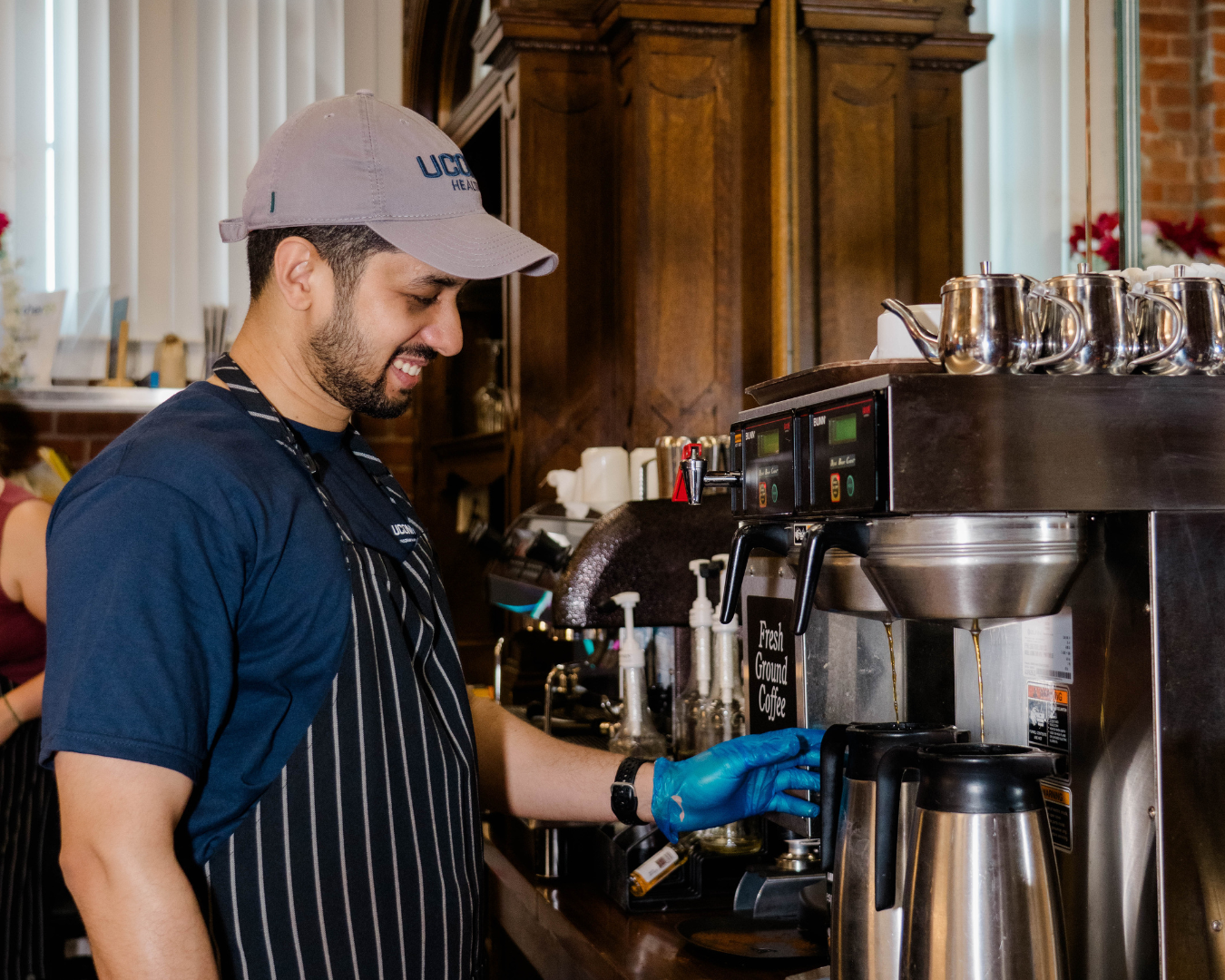
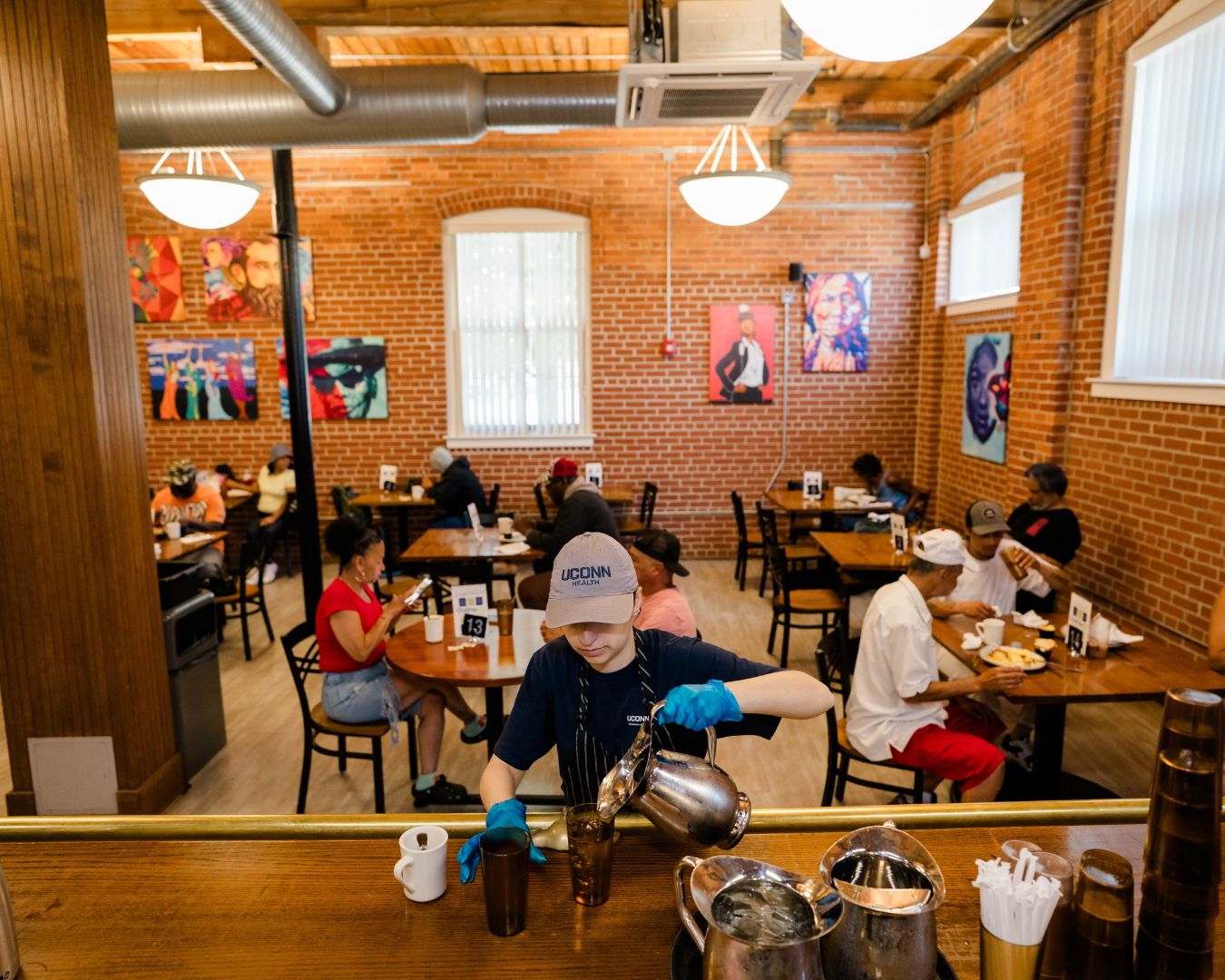
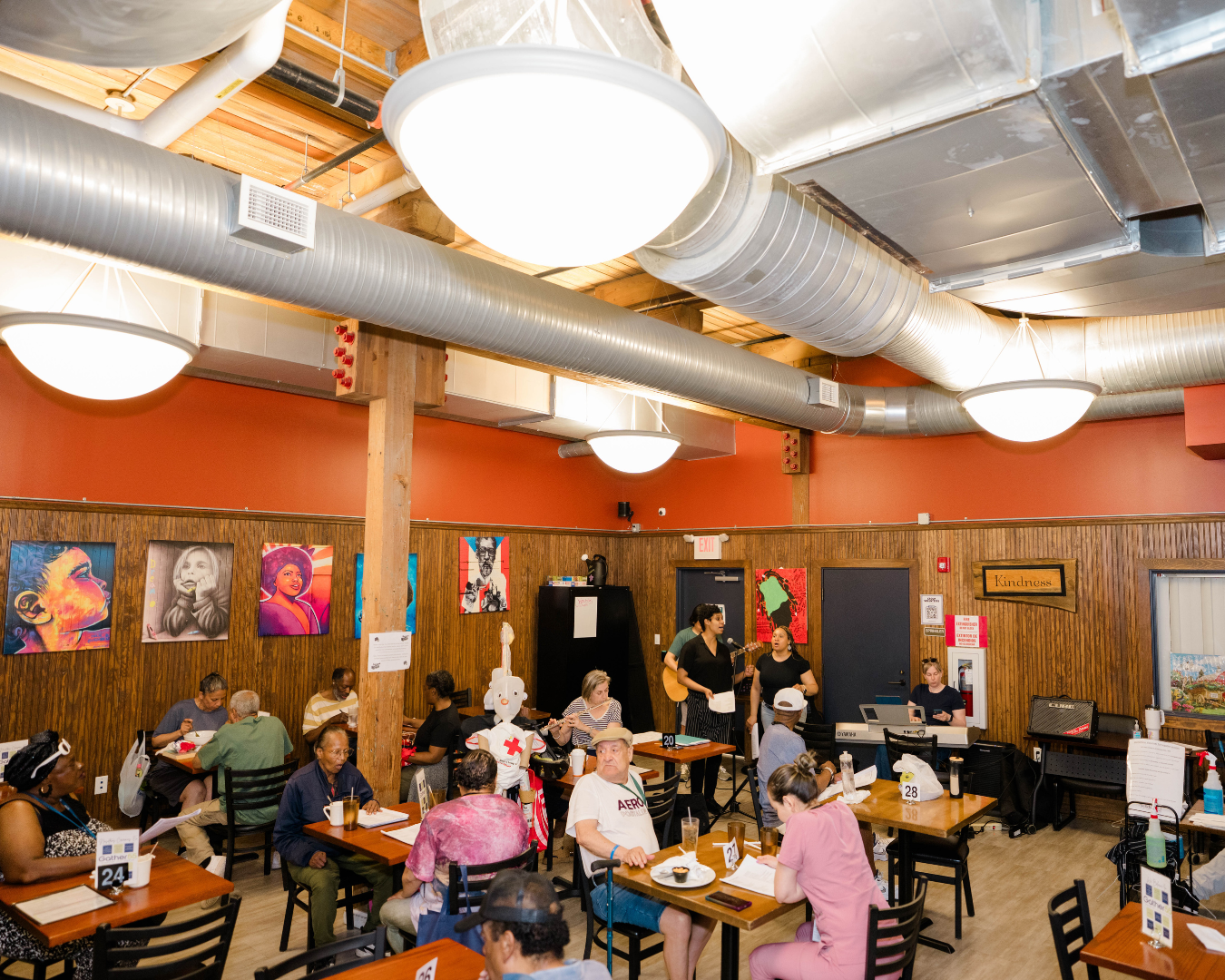
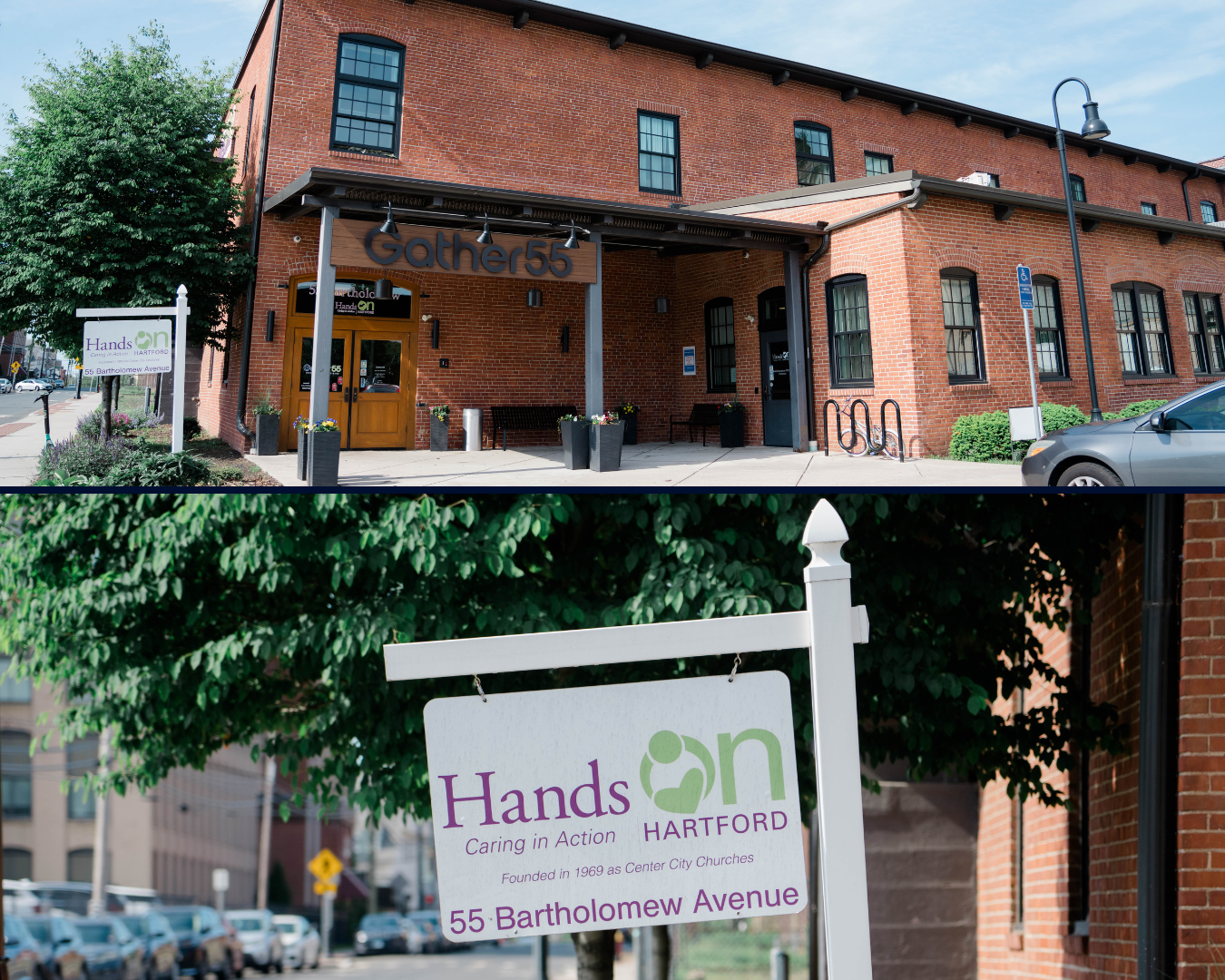
Gather55’s innovative model—where guests can dine regardless of their ability to pay—creates a shared space that reduces stigma and builds connection across diverse communities. By supporting organizations like this, our students and staff not only contribute to immediate community needs but also gain a deeper understanding of how public health initiatives can be implemented at the local level.
This volunteer experience is a powerful reminder that public health is about more than theory—it’s about action, compassion, and collaboration. Whether through service, advocacy, or partnership, our community continues to work toward a future where everyone has the opportunity to live a healthy and fulfilling life.
Spring Cleaning Donation Drive
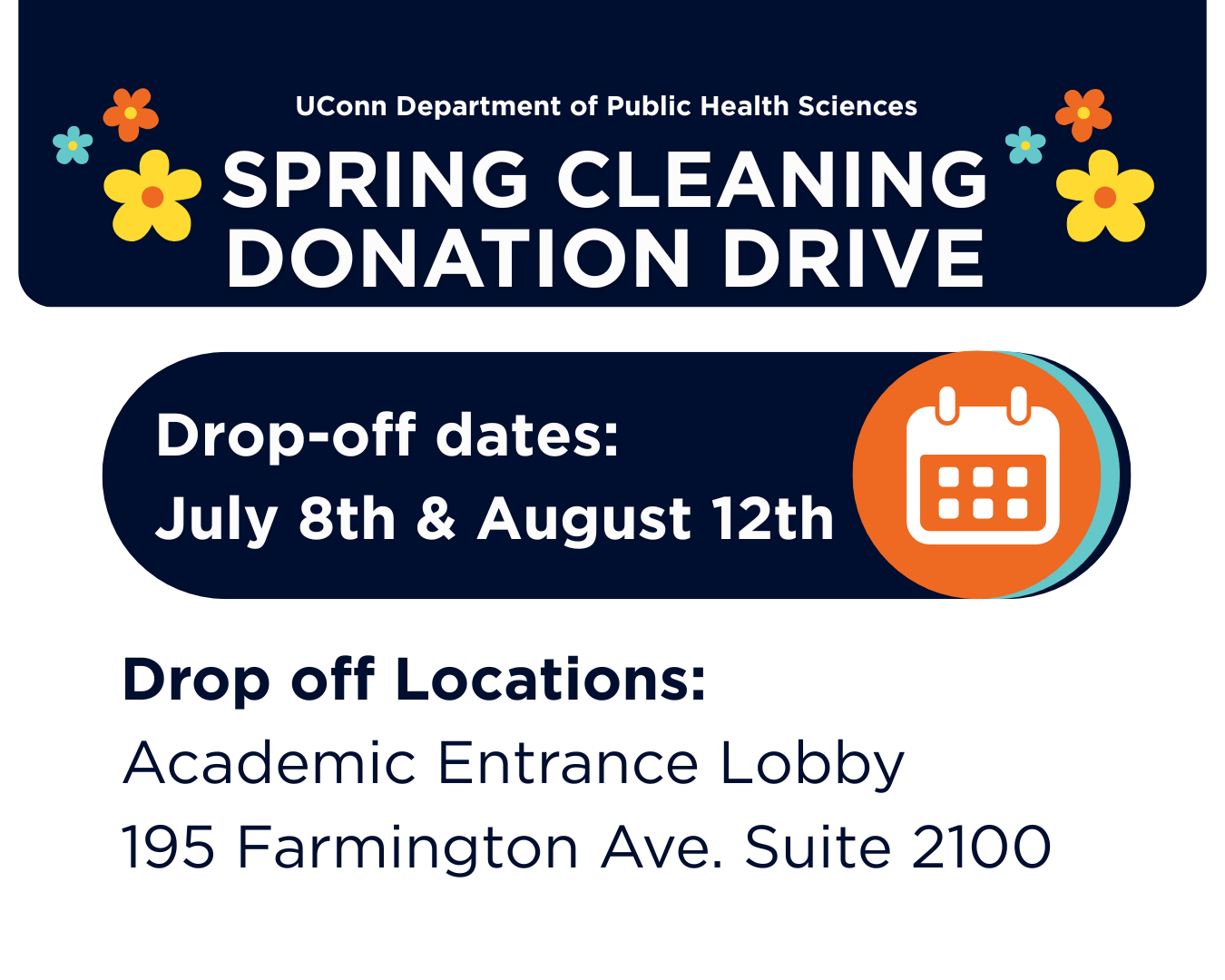
This season, our department is proud to support 3 impactful initiatives dedicated to serving CT residents: Community Service Officer Jim Barrett’s Homeless Outreach Program, Hands On Hartford, and Connecticut Institute for Refugees and Immigrants.
As warmer months arrive, and financial instability continues to rise, community support is more important than ever.
About Community Service Officers & Officer Jim Barrett
Learn about Officer Barrett here: https://youtu.be/miVDWB2X3Yc
Community Service Officers work directly within Hartford neighborhoods, building relationships, attending community events, and addressing quality-of-life concerns. Officer Jim Barrett, the city’s homeless outreach officer, goes above and beyond to support unhoused individuals. His compassionate work has been recognized locally and nationally.
About Hands On Hartford (HOH)
Support their work here: https://handsonhartford.org/support/
Hands On Hartford strengthens the community through housing support, food access, homelessness prevention, and outreach services. Their MANNA Community Pantry, Backpack Nutrition Program, Supportive Housing, and Shared Use Kitchen all play a crucial role in meeting basic needs and fostering long-term stability. Their participation-based restaurant, Gather55, welcomes everyone—regardless of ability to pay—creating a space where community and compassion meet over a shared meal.
They also operate a Day Program that provides referrals, shelter support, health screenings, and a safe environment for those experiencing homelessness. With more than 1,400 volunteers each year and support from civic, faith-based, and organizational partners, Hands On Hartford continues to create a healthier, more inclusive Hartford for all.
About the Connecticut Institute for Refugees and Immigrants (CIRI)
Learn more about their mission here: https://cirict.org/who-we-are/
CIRI provides a compassionate array of high-quality legal, social, and educational programming for refugees, immigrants, and survivors of human trafficking and torture.
CIRI is a statewide nonprofit organization that assists refugees and immigrants resolve legal, economic, linguistic and social barriers so that they become self-sufficient, integrated and contributing members of the community. CIRI achieves this mission by providing a compassionate array of high-quality legal, social and educational programming and by promoting cross cultural understanding and decent treatment for all.
How You Can Help
This year, many community members are facing reduced assistance, unexpected hardships, and limited access to food or clothing. Even small contributions can make a meaningful difference—especially items like $5 fast-food gift cards, which provide unhoused individuals the opportunity to purchase a meal.
Most-needed items include:
- Financial contributions
Please contact the following emails:jindavis@uchc.edu, lcook@uchc.edu, samociuk@uchc.edu, and parris@uchc.edu
- Nonperishable food
- Full-size toiletries & household essentials
- Food for children’s backpack nutrition program
- Hygiene products
Examples but not limited to: body powder, travel size toothpaste, and deodorant - Diapers (sizes 4-5)
- Baby wipes
- Reusable water bottles
- Small water bottles
- Pedometers
- Clothing
Examples but not limited to: Boxer Briefs ( L, XL, 1X, 2X), Tee Shirts (M, L, XL, 1X, 2X) - Adult Back Packs
- $5 fast-food gift cards to McDonalds, Burger King and Dunkin Donuts
- Bus passes
Your generosity directly supports individuals and families navigating challenging times. Thank you for helping us make a positive impact this season.
Inside the 2026 MPH Poster Session: Student Research Making an Impact
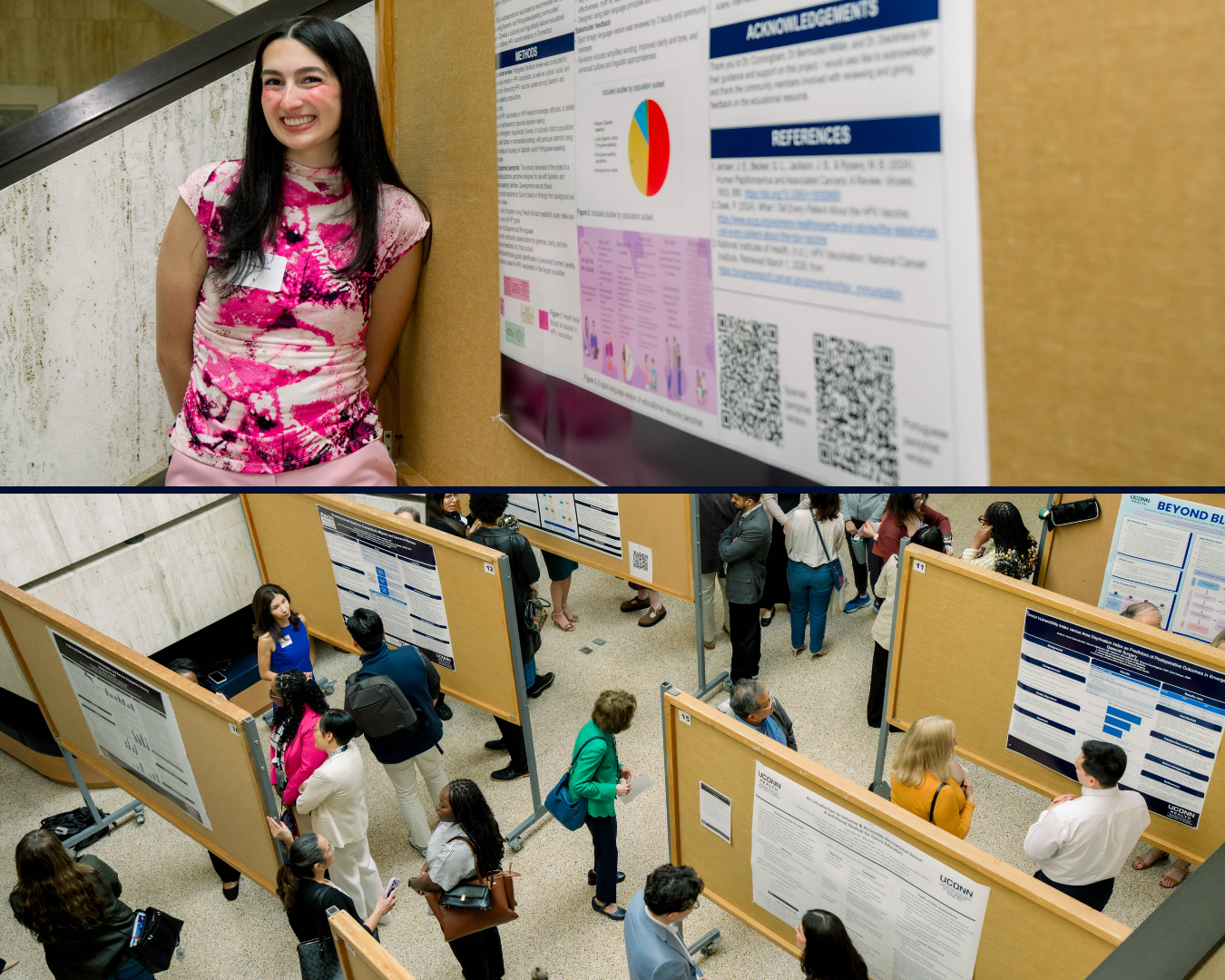
The 2026 Master of Public Health (MPH) Poster Session showcased the breadth, depth, and real-world impact of student research at UConn. From improving healthcare access to advancing chronic disease research, students presented projects that reflect both the challenges and opportunities facing public health today.
Research That Meets Real-World Needs
Students explored a wide range of pressing public health topics across Connecticut and beyond. One project examined access to over-the-counter birth control using a statewide “mystery caller” approach, highlighting gaps in availability and consistency across pharmacies.
Other students focused on chronic disease epidemiology, including research on long-term metformin use and its potential association with gastrointestinal cancer risk.
Accessibility and inclusion were also key themes, with one student developing a structured module designed to make dance recreation spaces more inclusive through education and assessment tools.
Addressing Health Equity in Connecticut
Several projects centered on underserved populations and health equity. Research on migrant and seasonal farmworkers in Connecticut identified critical barriers to healthcare, including access challenges, unmet health needs, and factors that influence care-seeking behavior.
These findings point toward actionable solutions, such as expanding mobile clinics and increasing investment in community health workers to better serve vulnerable communities across the state.
From Classroom to Career
Beyond the research itself, the poster session highlighted where these future public health professionals are headed next.
Graduates are moving into a variety of impactful roles, including:
- Residency programs in internal medicine and anesthesiology
- Careers in clinical and research settings
- Positions in government and public health agencies
These next steps reflect the program’s strong emphasis on applying public health training in real-world settings—whether through patient care, research, or policy work.
A Launchpad for Impact
The MPH Poster Session is more than a capstone—it’s a launching point. Students leave not only with research experience, but with the skills to translate data into action, advocate for communities, and contribute to meaningful change in public health.
As this year’s graduates step into the next phase of their careers, their work continues to shape healthier communities across Connecticut and beyond.
Subscribe to our YouTube channel for more content like this
Congrats to class of 2026!
Celebrating the Class of 2026: From Research to Recognition to Commencement
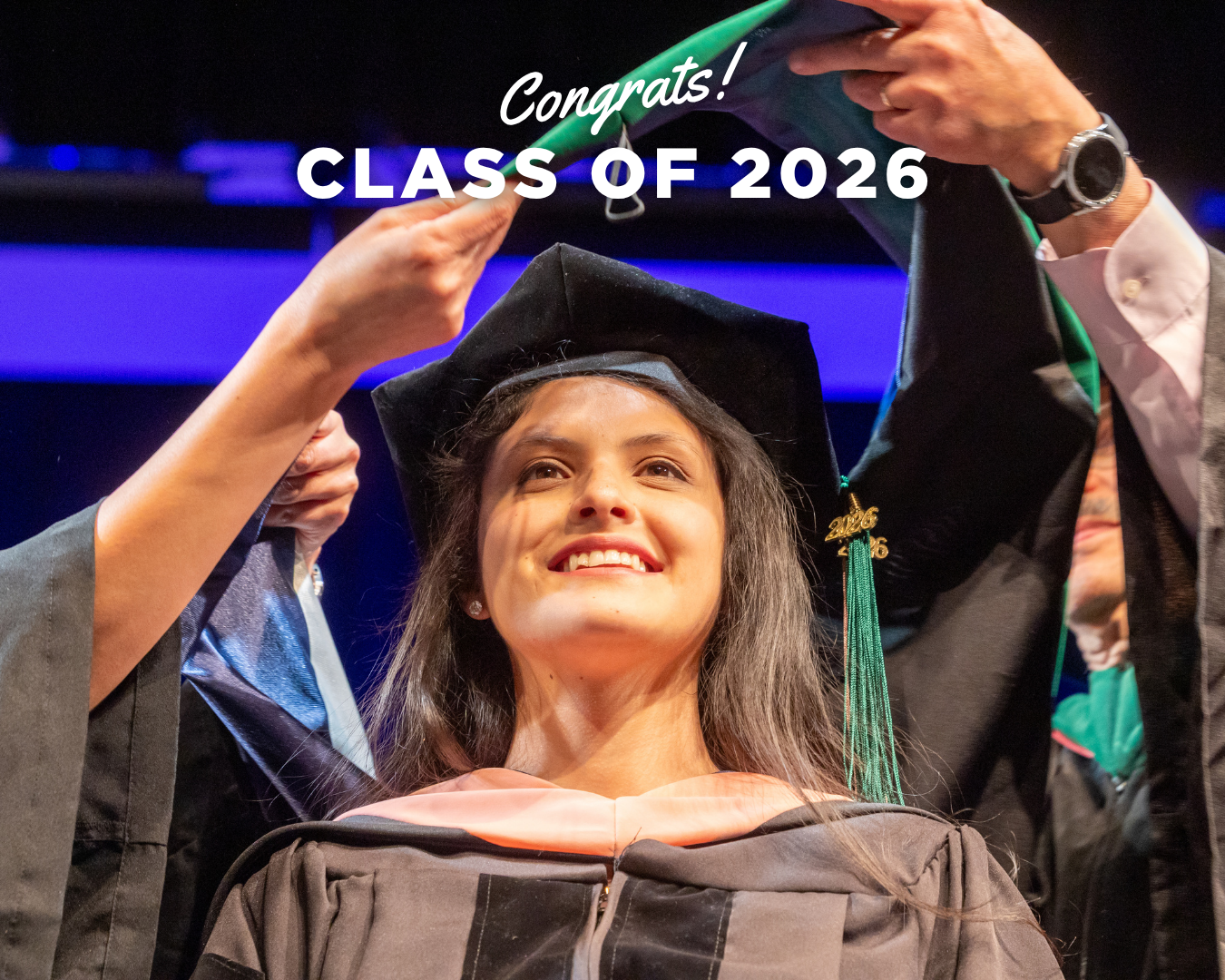
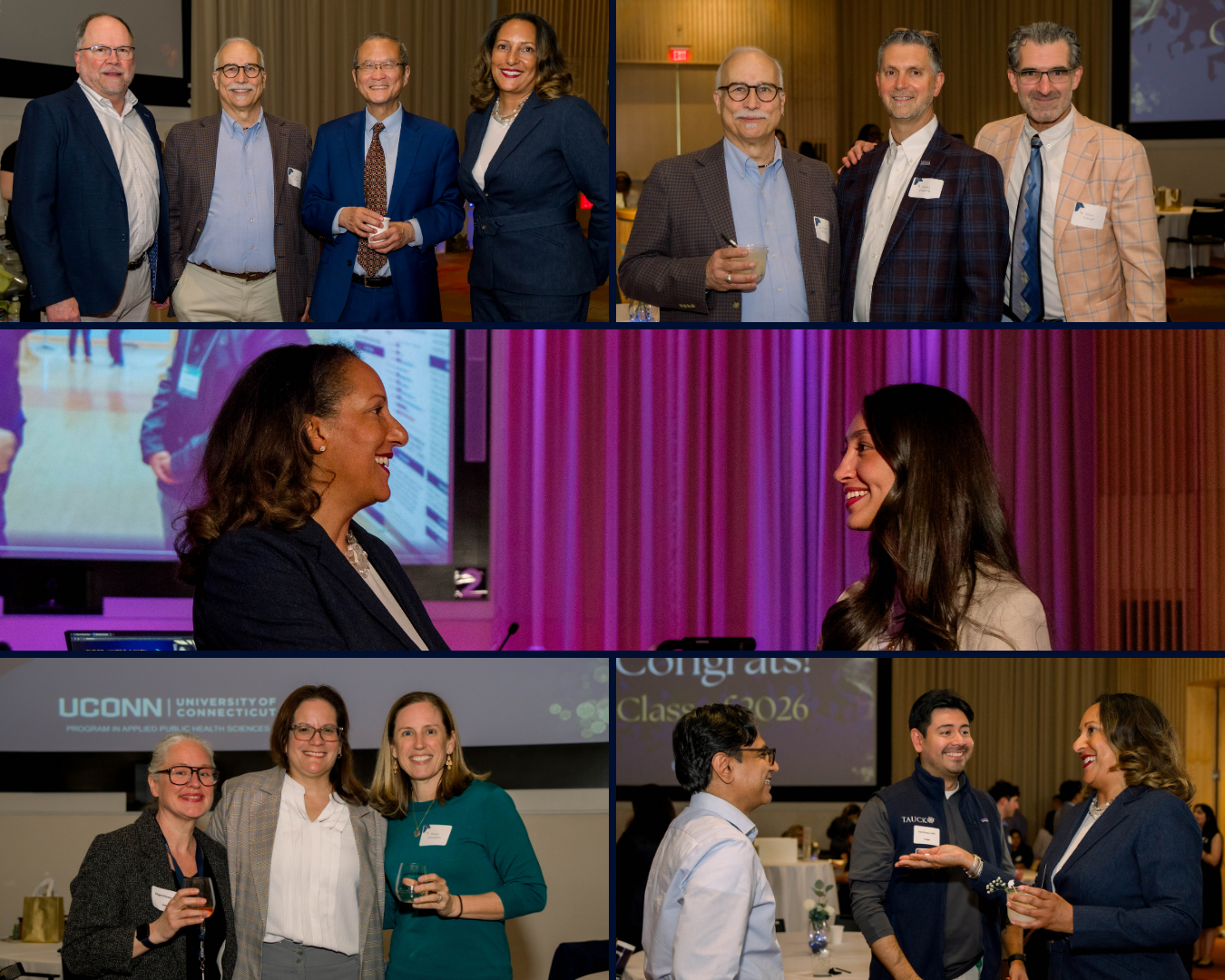
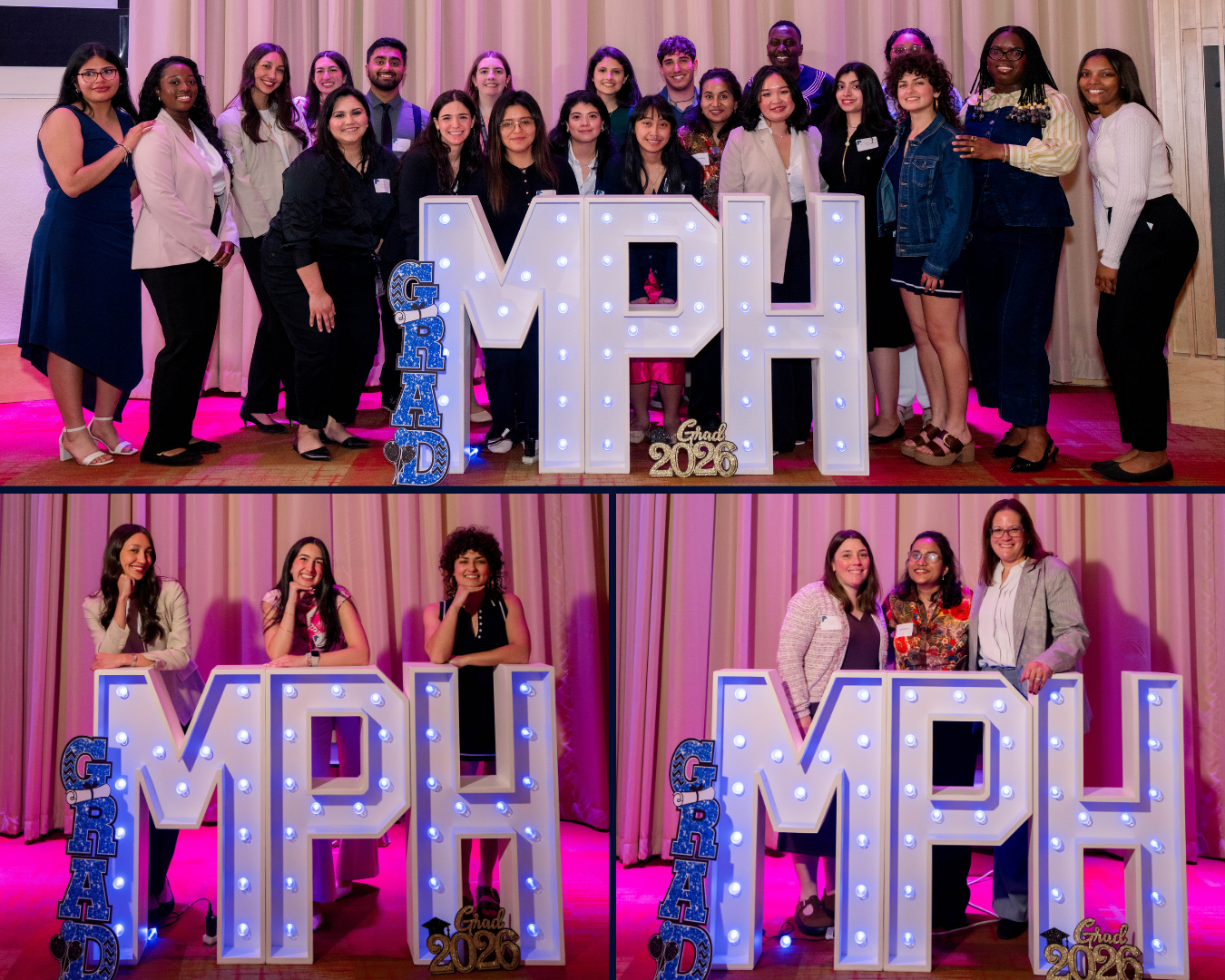
The Department of Public Health Sciences proudly celebrated the Class of 2026 with a series of events that highlighted their hard work, achievements, and bright futures ahead.
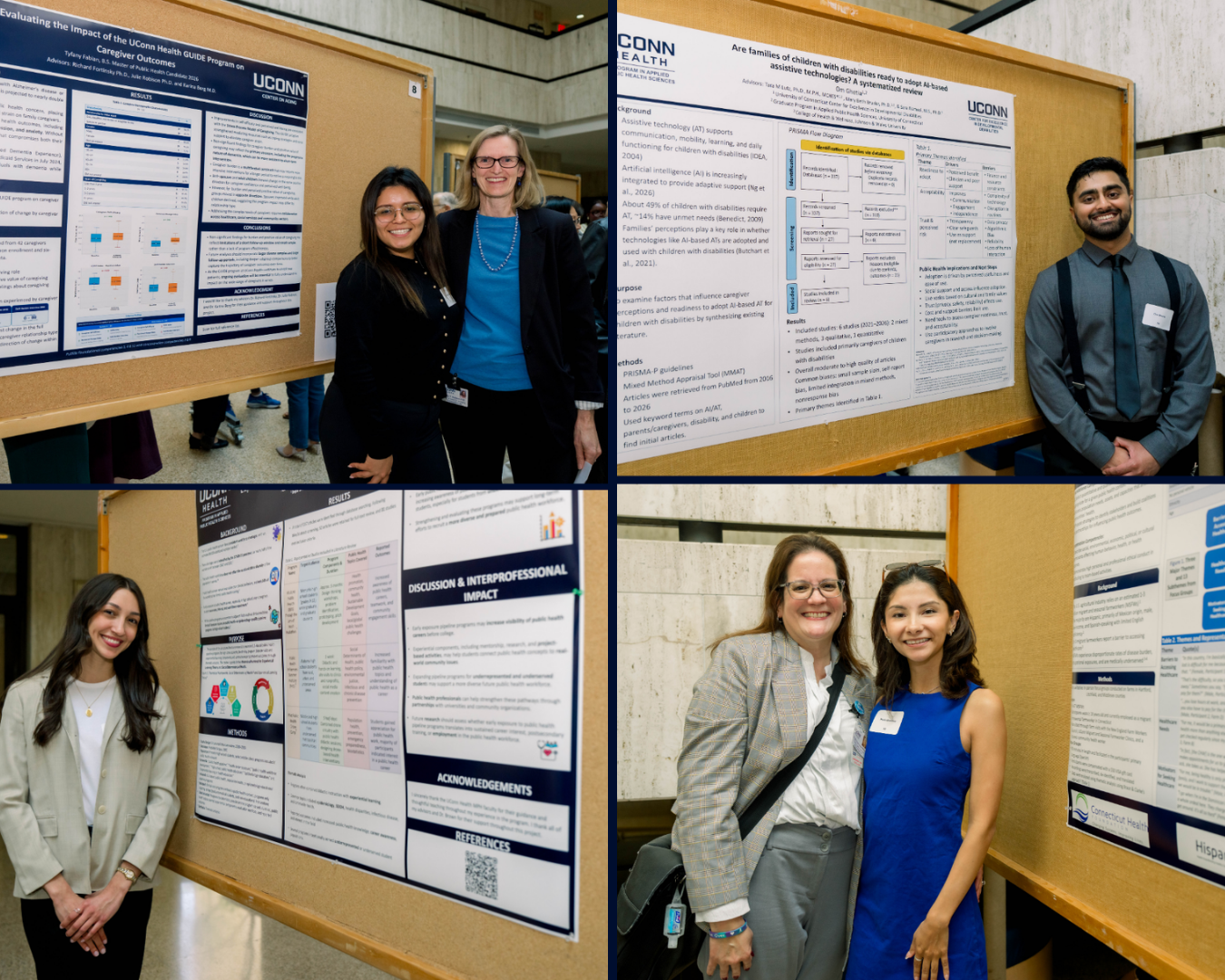
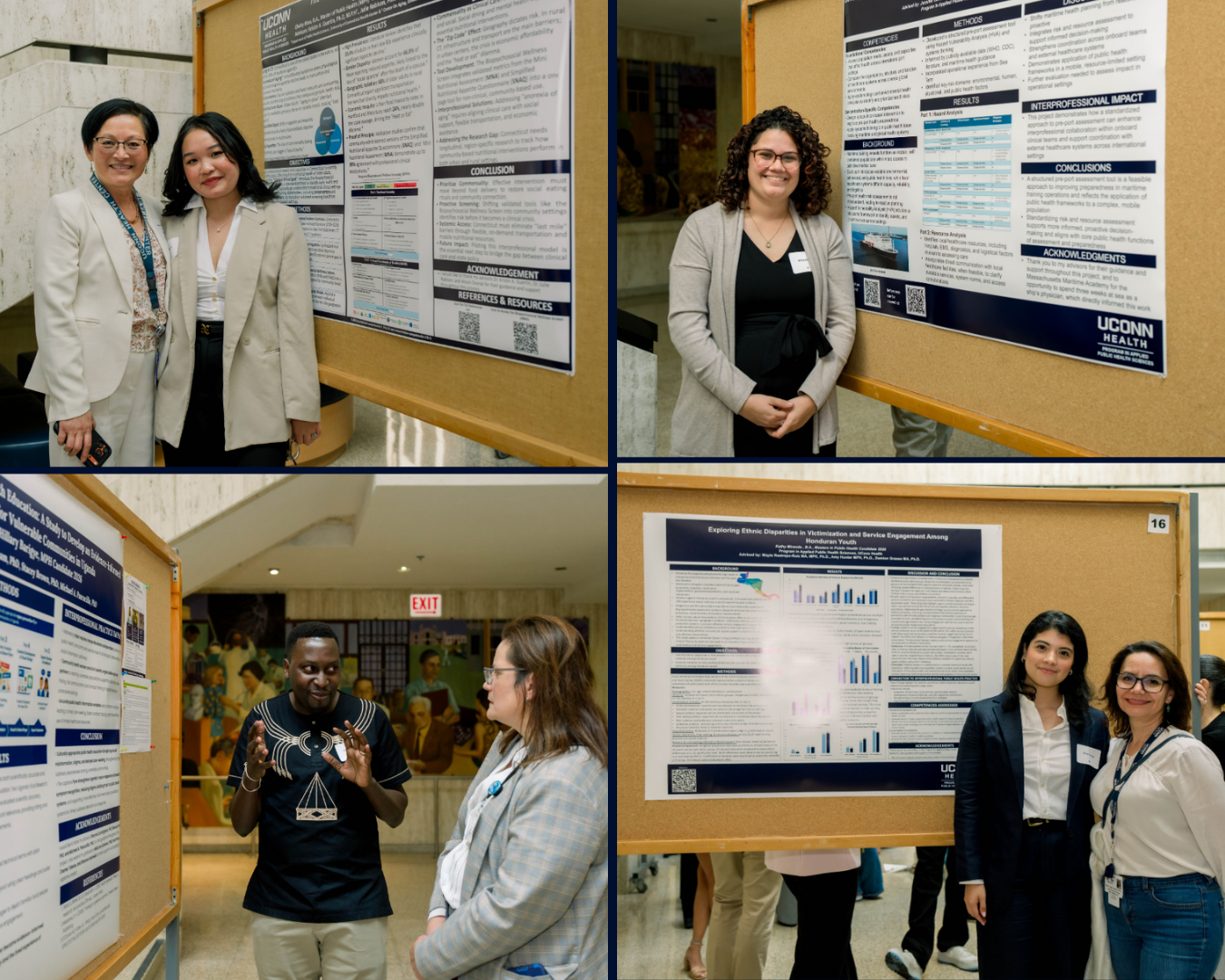
The celebration began with the annual poster session, where students presented their research and shared the innovative work they’ve developed throughout their time in the program. The session offered a meaningful opportunity for students, faculty, and guests to engage with important public health topics and recognize the depth and diversity of student scholarship.
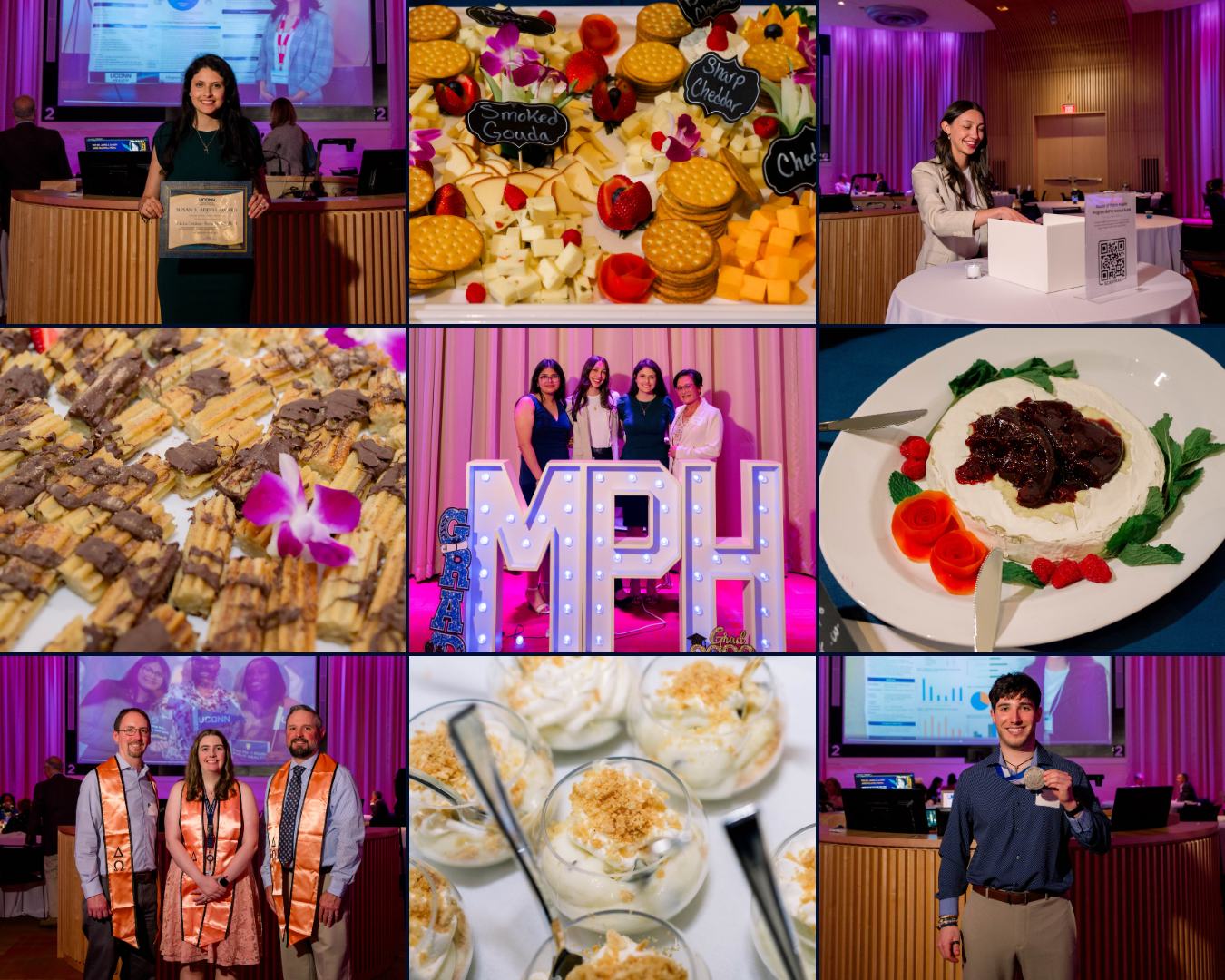
The festivities continued at the Graduation Dinner, an evening filled with celebration, connection, and reflection. Students, faculty, staff, and loved ones gathered to honor the accomplishments of the graduating class. The night featured awards recognizing outstanding academic achievement, leadership, and community impact, along with moments of joy captured at the photo booth and shared among peers.
These recognitions reflected not only success in the classroom, but also the real-world impact our graduates have already begun to make in their communities and beyond.
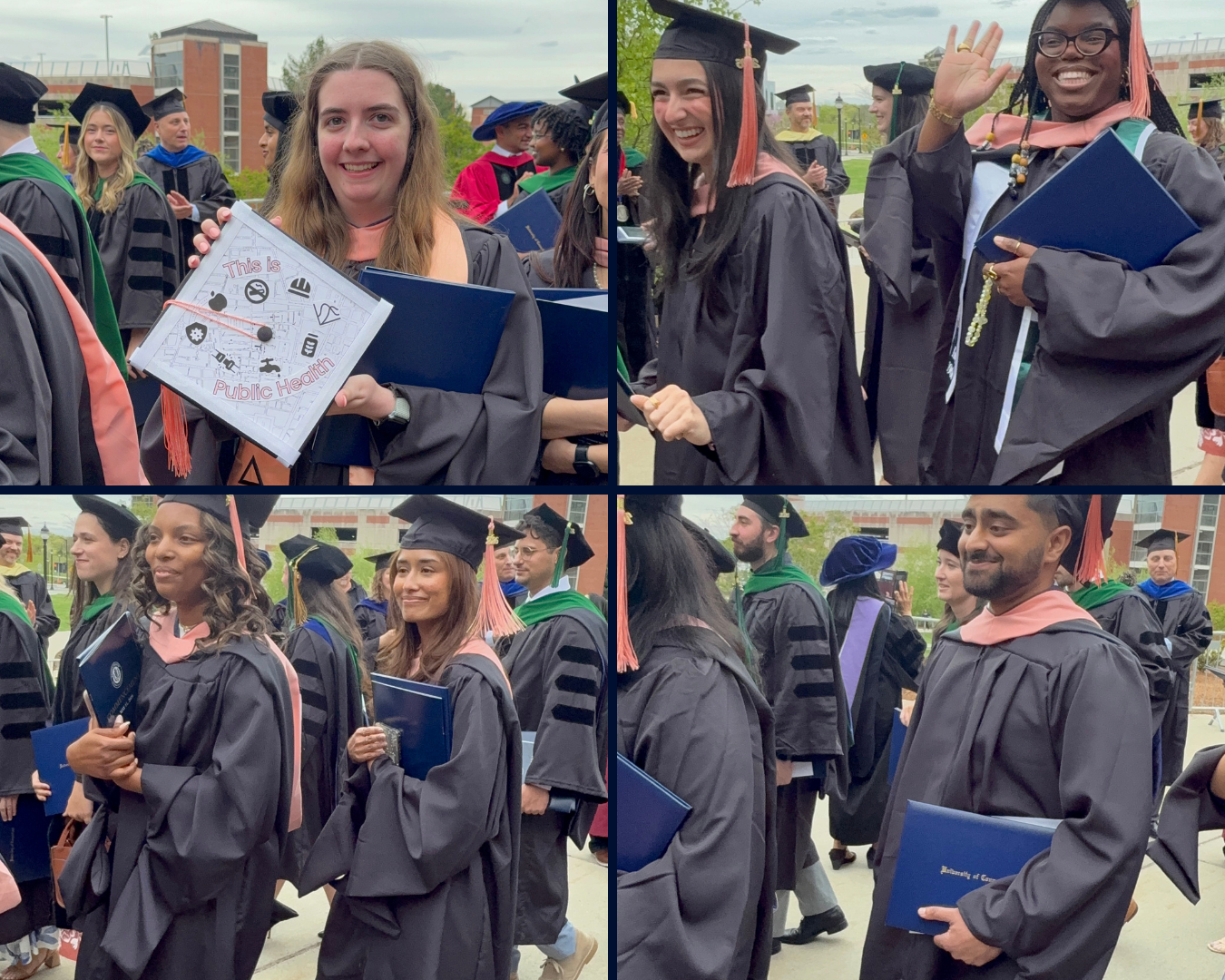
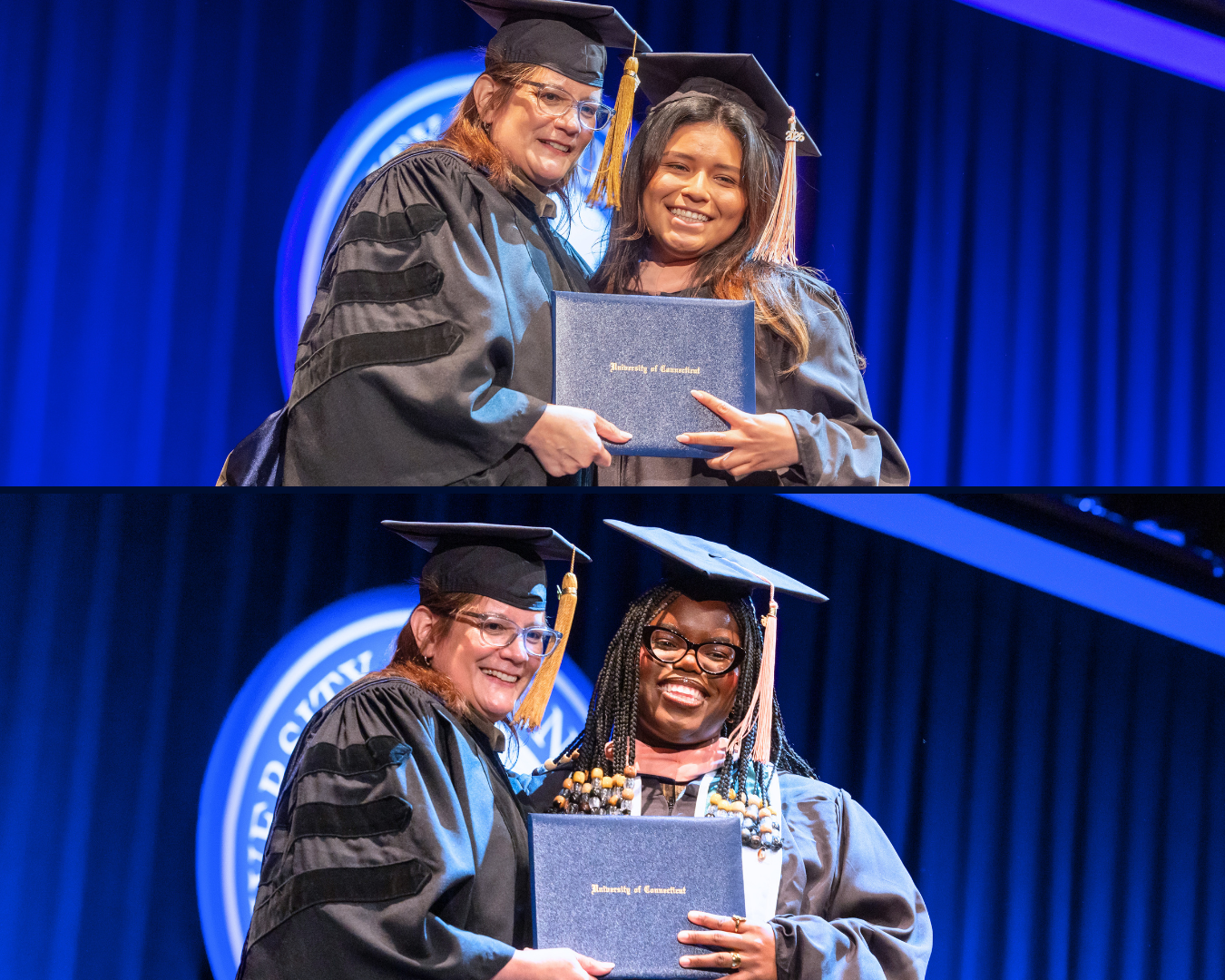
The celebration culminated at commencement, where graduates officially crossed the stage and marked the transition from students to public health professionals. It was a proud and inspiring moment, symbolizing years of dedication, perseverance, and passion.
As we celebrate the Class of 2026, we recognize their commitment to advancing public health and improving the well-being of communities everywhere.
Congratulations to our graduates! We are incredibly proud of you and look forward to seeing all that you will accomplish.
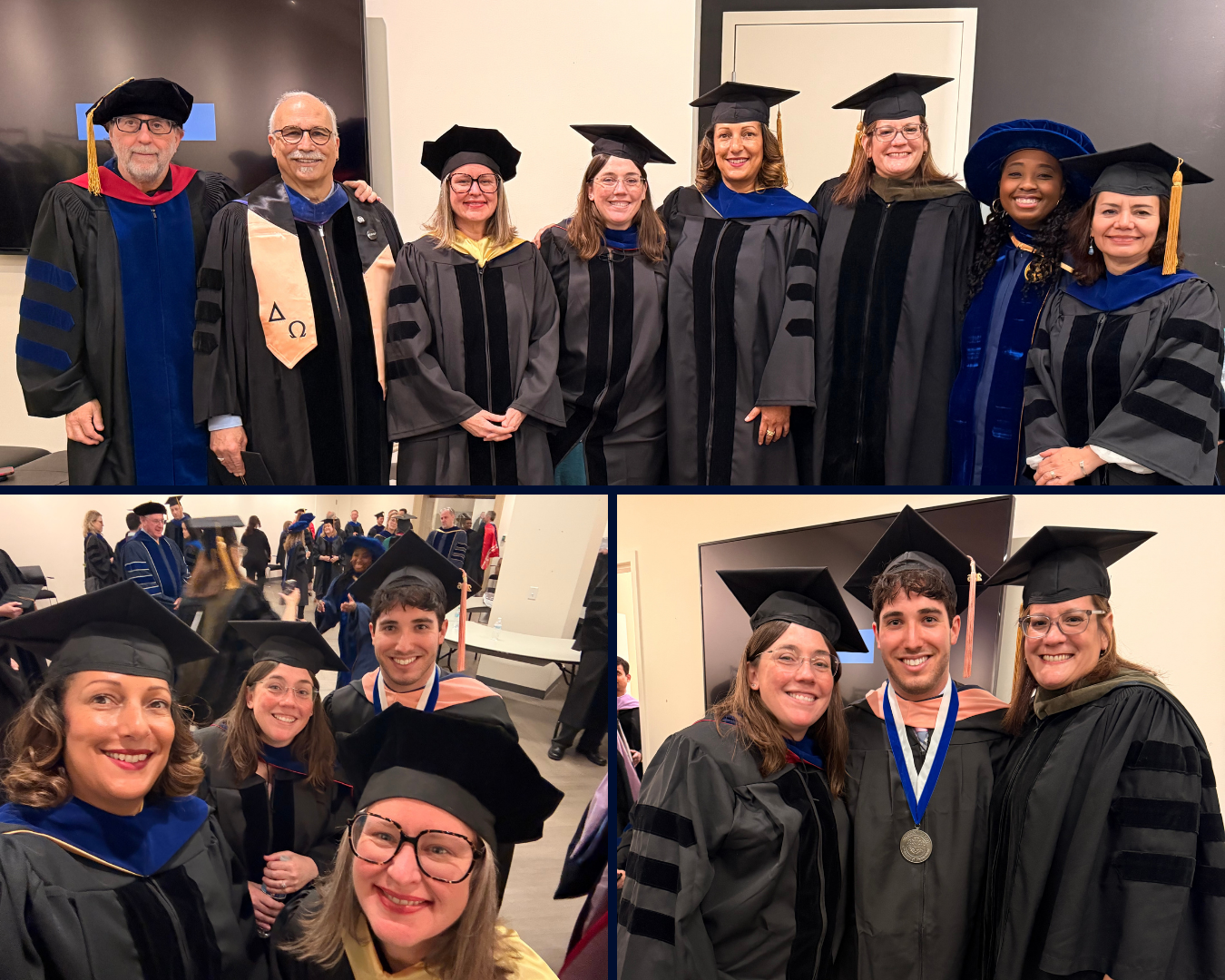
From Classroom to Community: Public Health Nutrition Students Drive Local Impact in Hartford
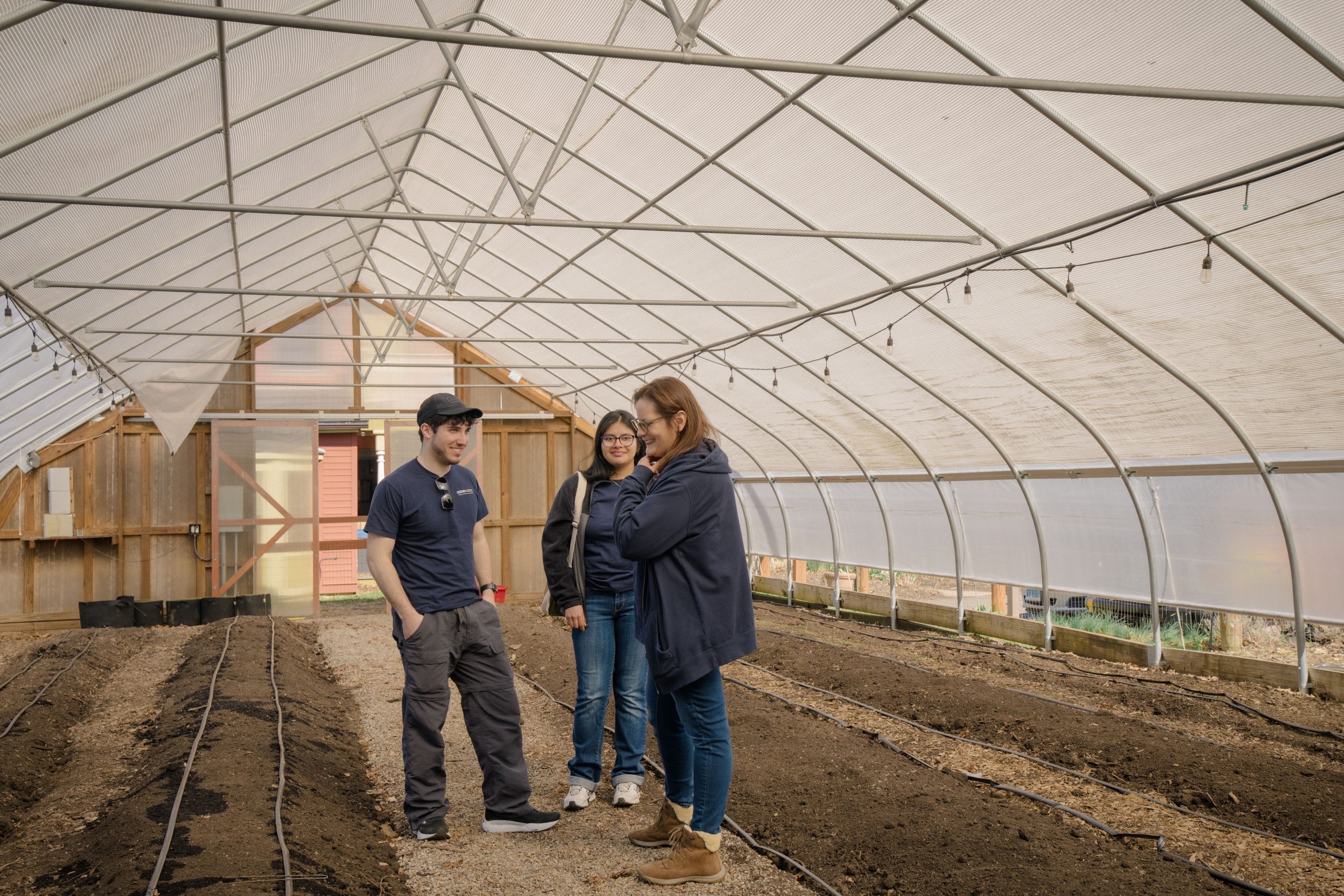
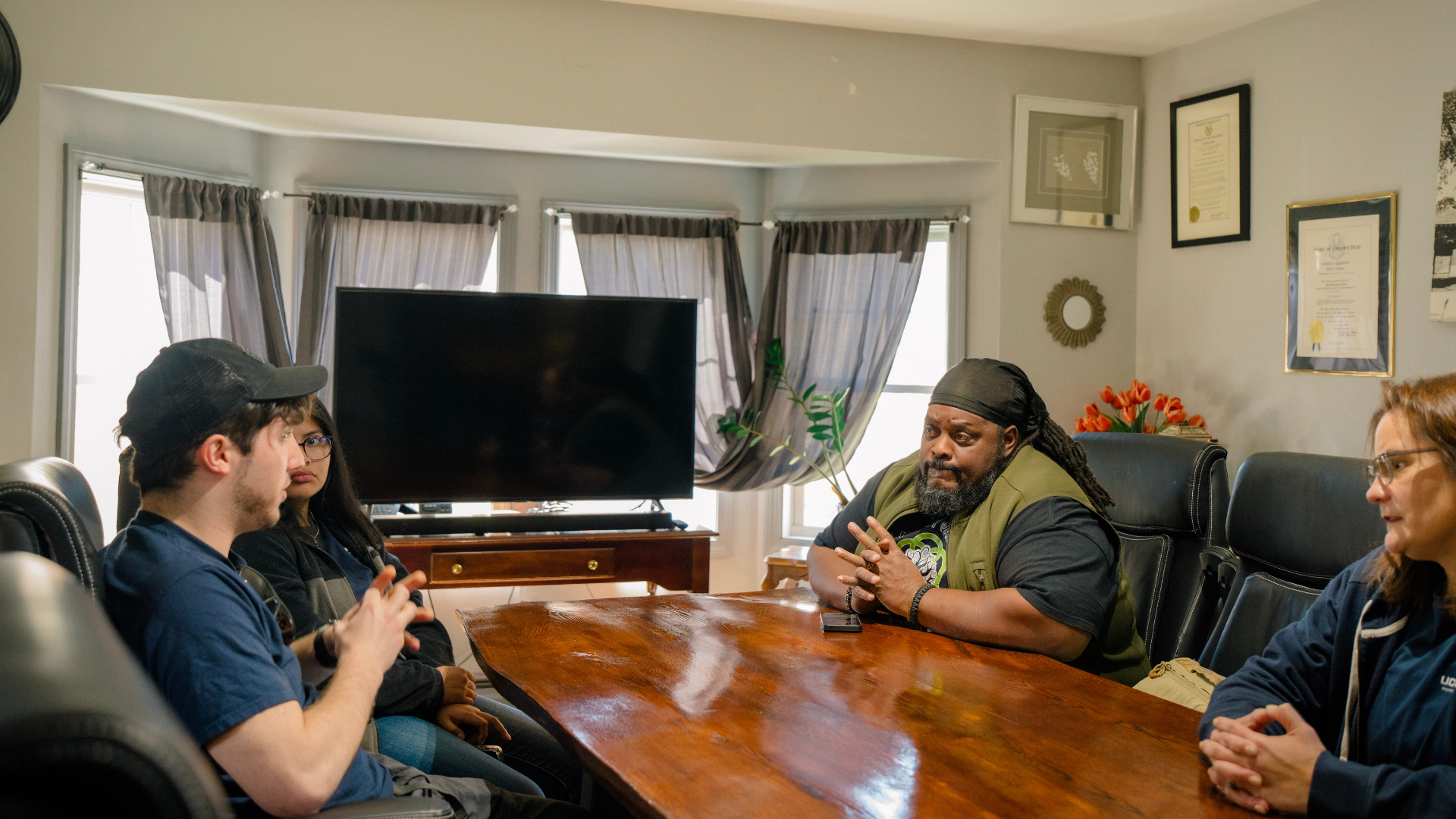
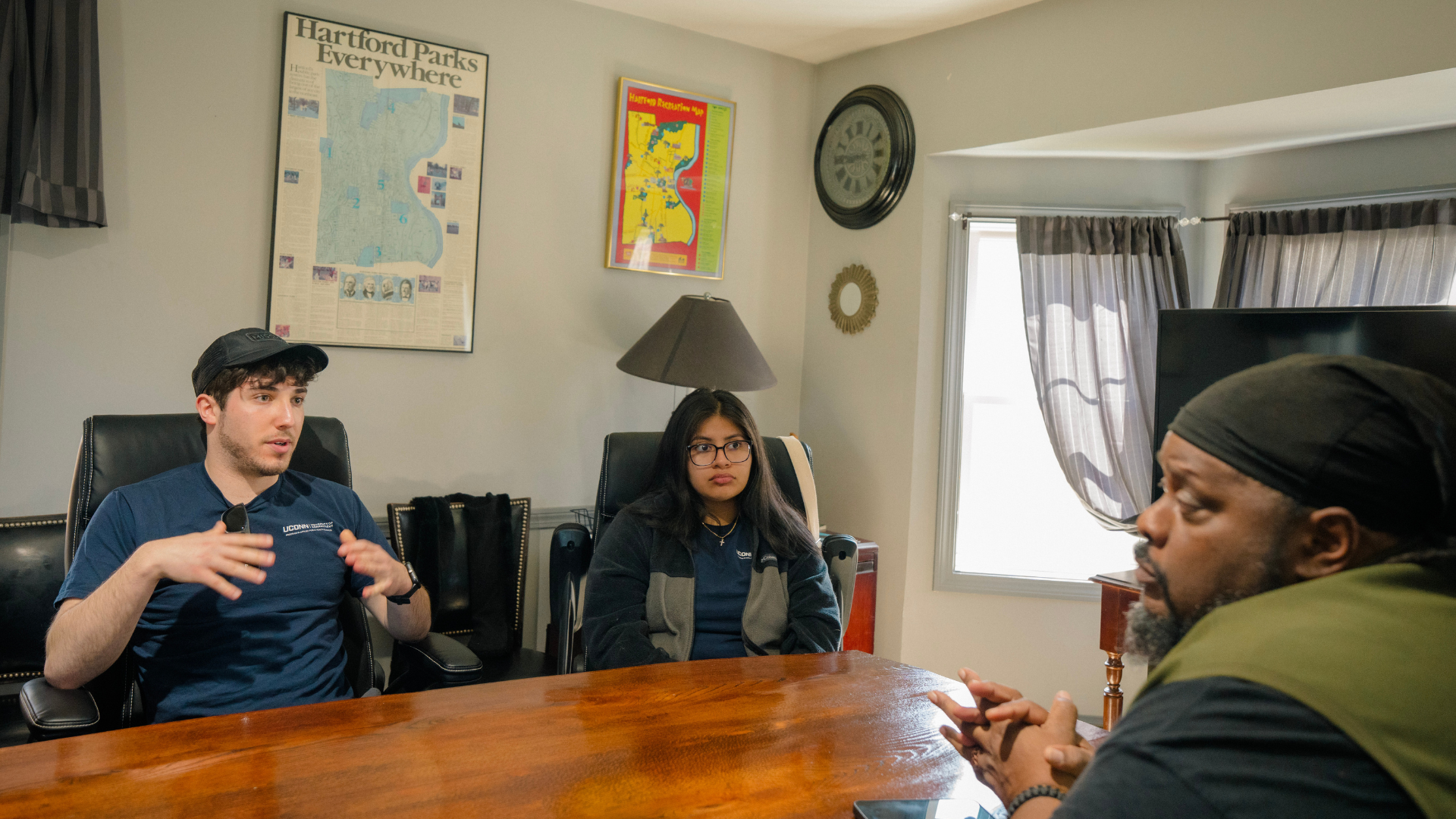
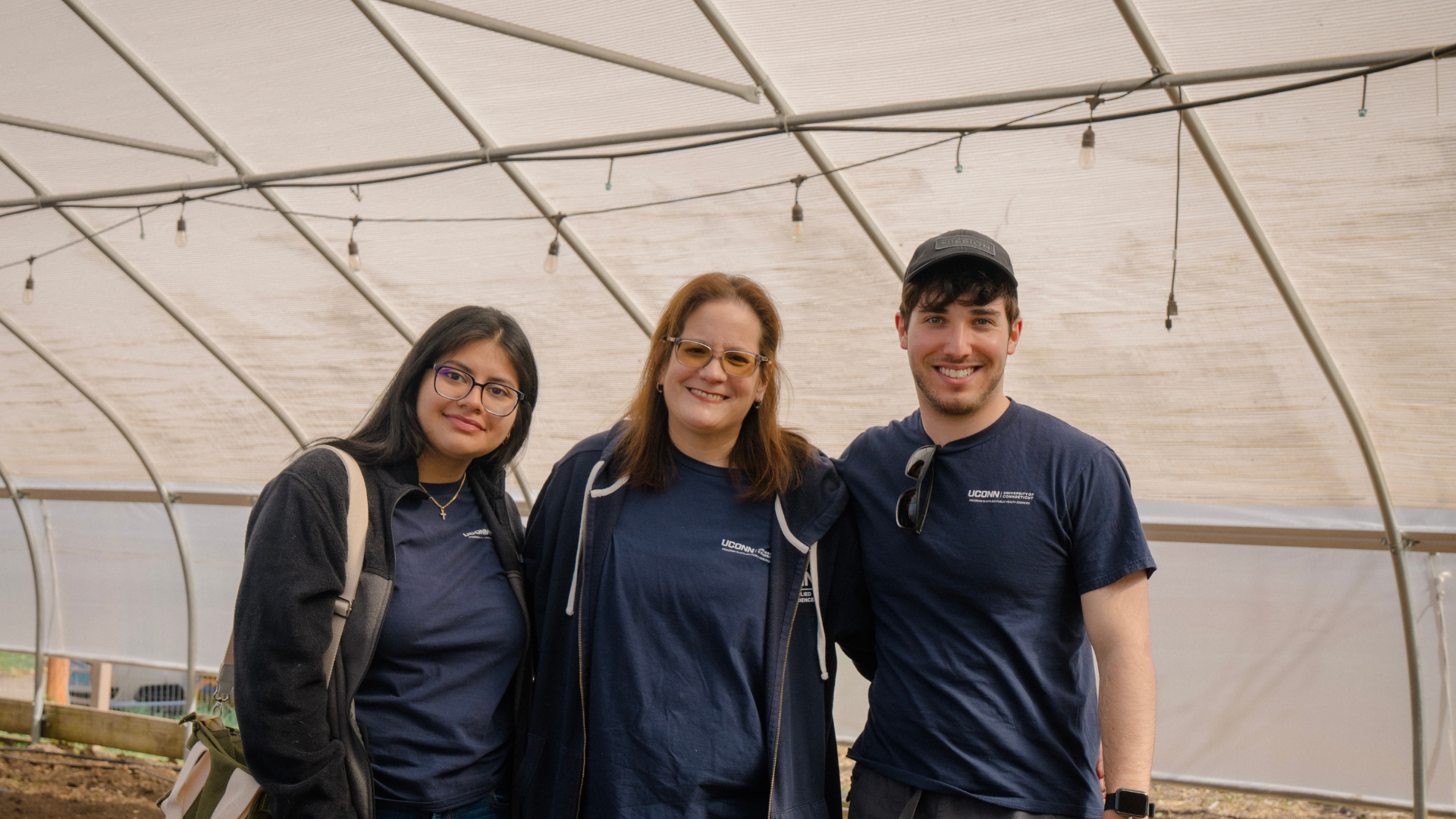
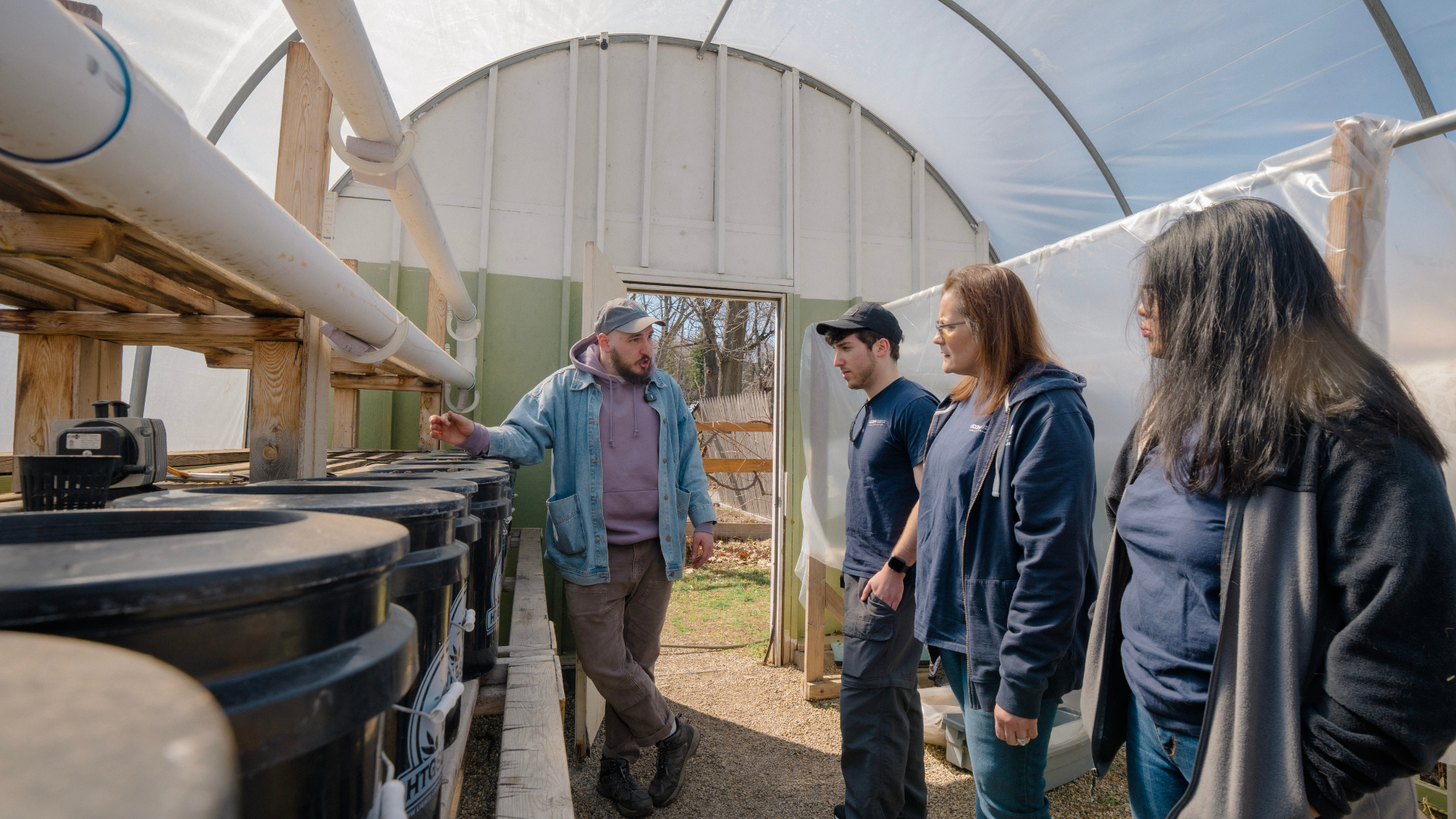
Public Health Nutrition students at UConn Health are gaining hands‑on, community‑centered experience thanks to Dr. Angela Bermúdez‑Milán’s innovative approach to teaching public health practice. Through a partnership with the Keney Park Sustainability Project and local health programs, students are applying classroom learning directly to real community needs.
In her Public Health Nutrition course, Dr. Bermúdez‑Milán integrates public health practice, program evaluation, and community engagement. MPH students—including Lisbeth Moran and Michael Raizin—spent time at the Keney Park garden learning about hydroponics, urban farming, and the food hub program. Their work extended beyond observation: students collaborated with program leaders to evaluate existing recommendations from previous consultants and helped strategize how to put those recommendations into action.
During National Public Health Week, Dr. Bermúdez‑Milán also presented findings from a community‑based participatory pilot study conducted with the Hartford Women, Infants, and Children (WIC) program at Keney Sustainability Park. The study, Barriers to Farmers Market Voucher Redemption among Hartford WIC Participants, aims to strengthen WIC benefit use and inform future childhood obesity interventions. This work was supported through a collaboration between the UConn Health Department of Public Health Sciences and the ICR/Community Research Alliance (CRA), funded by the Health Net, Inc. Chair in the Department of Public Health Sciences.
The partnership continues to grow. Herb Virgo, Director of the Keney Park Sustainability Project, is exploring new ways to bring fresh produce and nutrition education directly to Hartford communities. Plans include cooking demonstrations using garden-grown vegetables and a repurposed mobile bus that will deliver fresh produce to neighborhoods with limited grocery access.
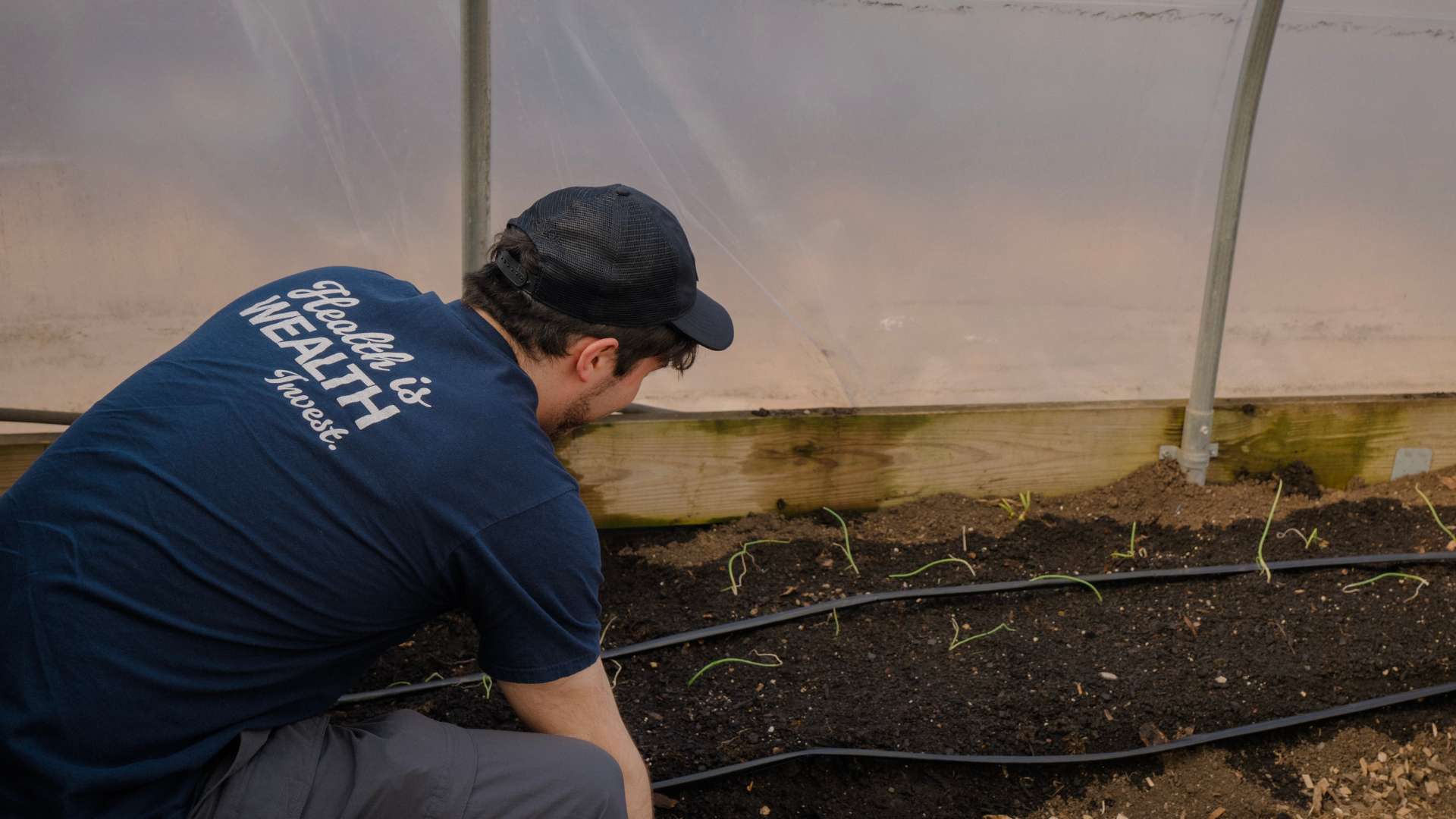
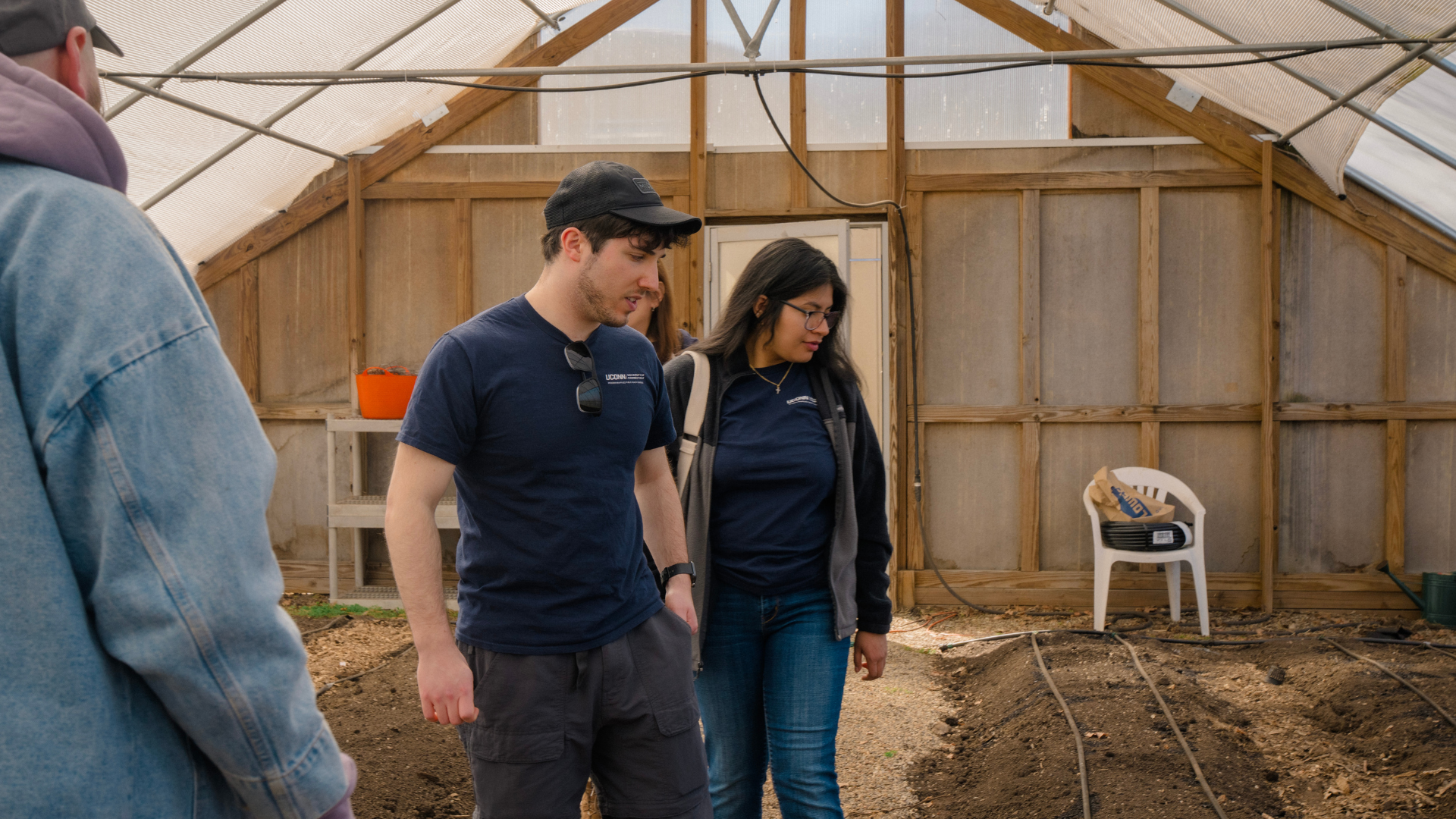
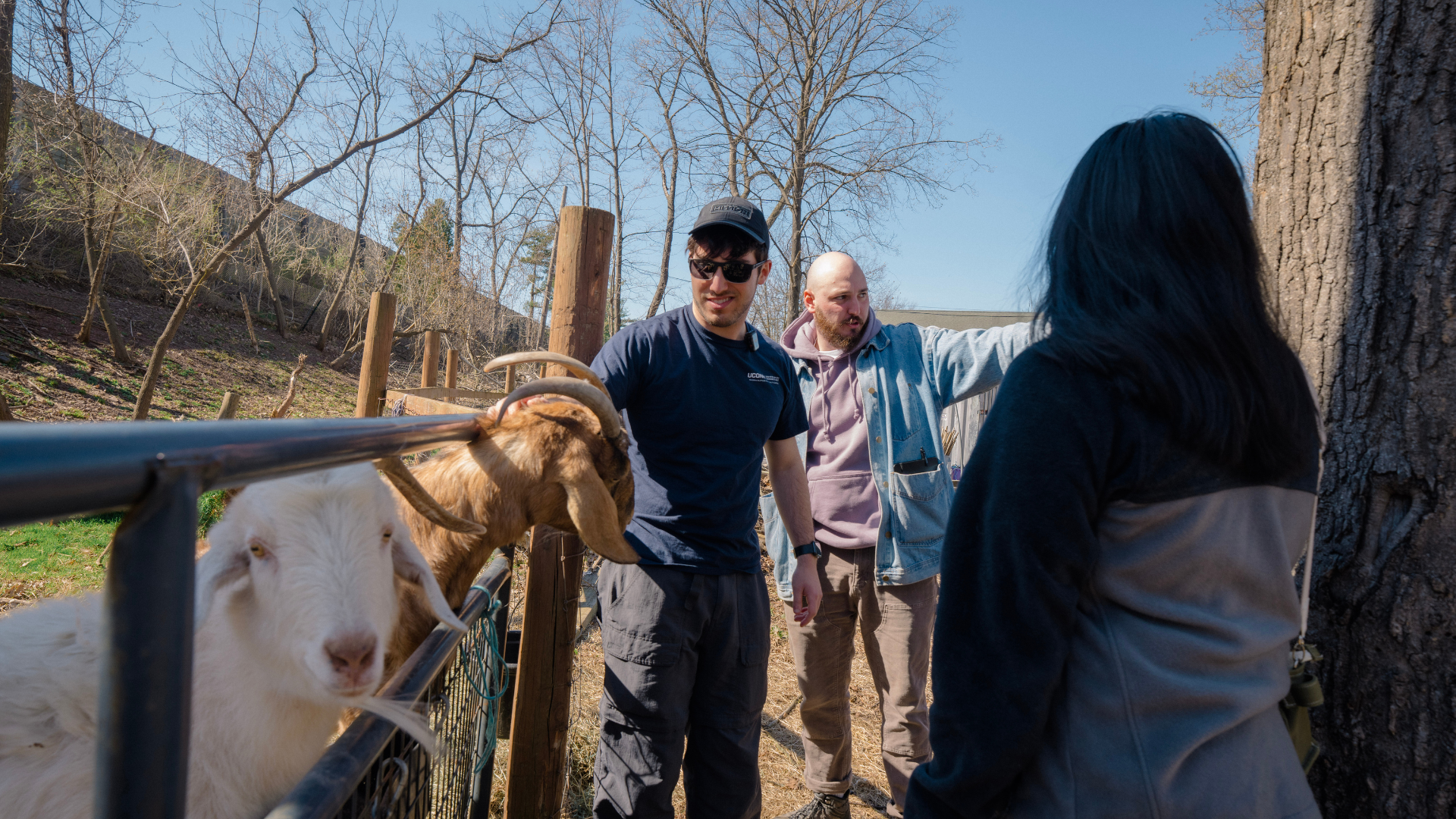
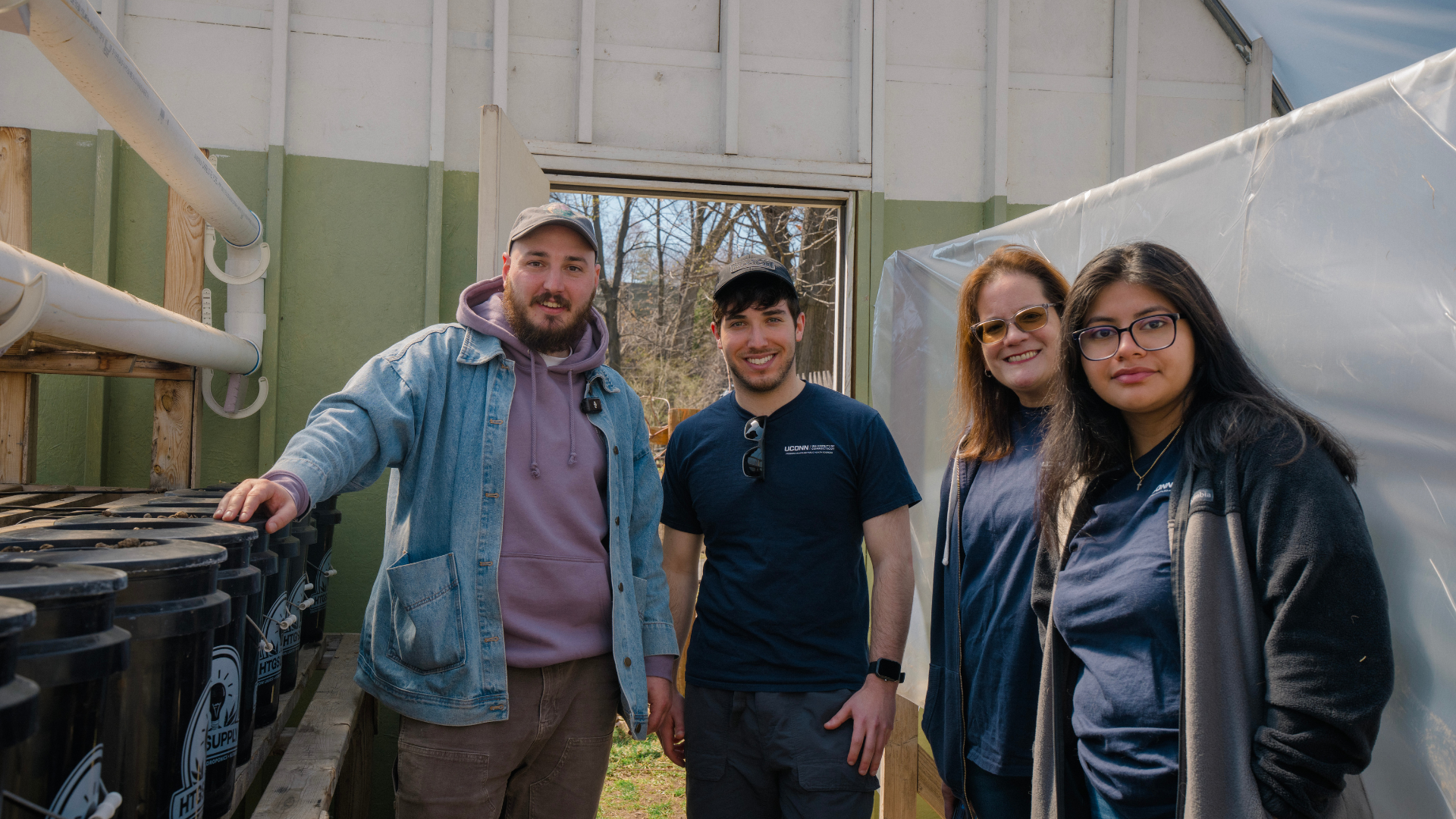
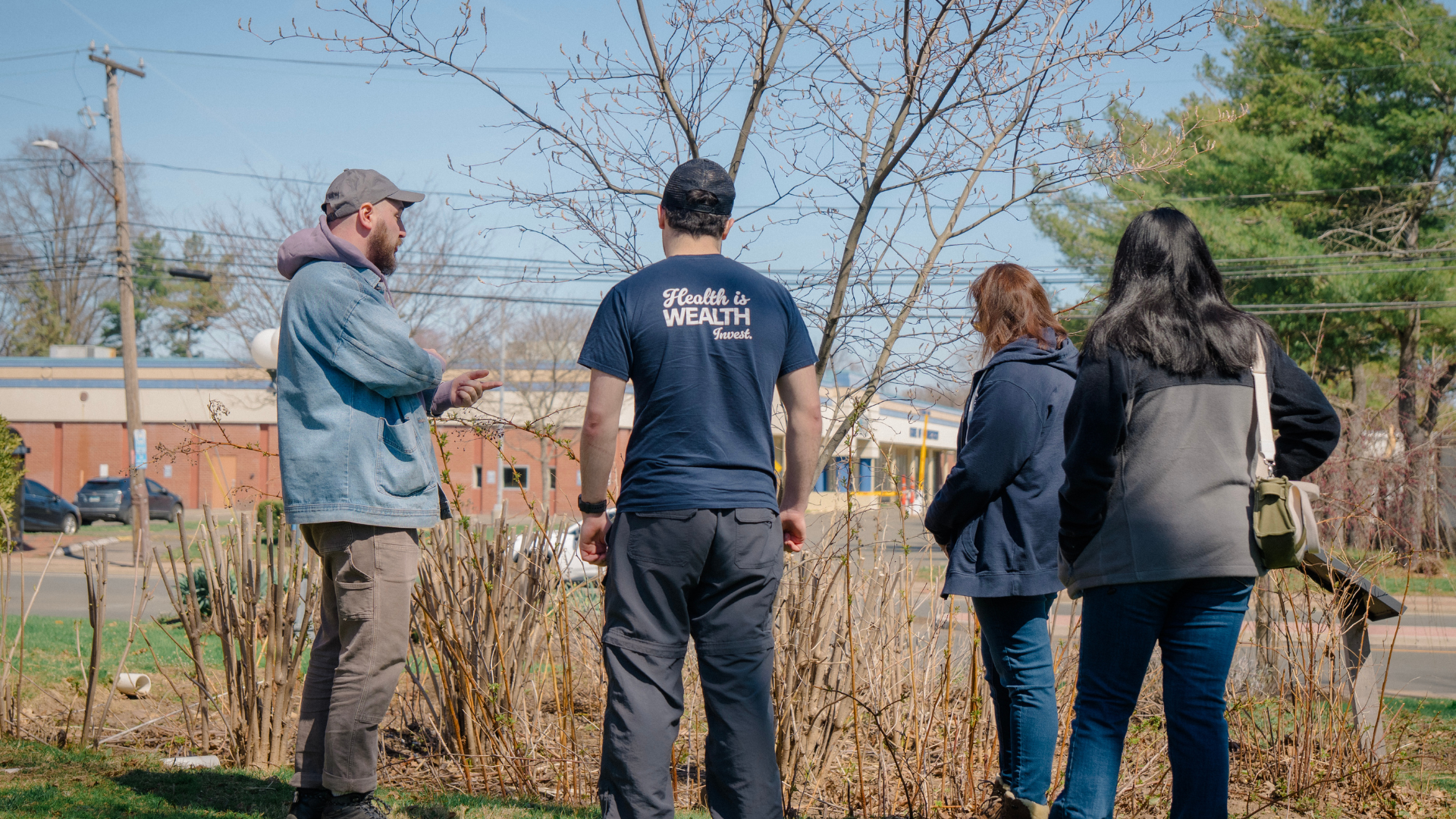
Students will play an active role in these initiatives, gaining first‑hand experience in collaborative public health practice, community engagement, and program implementation. This partnership exemplifies how applied learning can prepare future public health professionals to address real‑world challenges with creativity, cultural humility, and community partnership.
For more information, contact Dr. Angela Bermúdez‑Milán at bermudez-millan@uchc.edu.
To learn more about the Keney Park Sustainability Project, visit: https://keneyparksustainability.org/